
Pixel 6a Ultrawide Photos
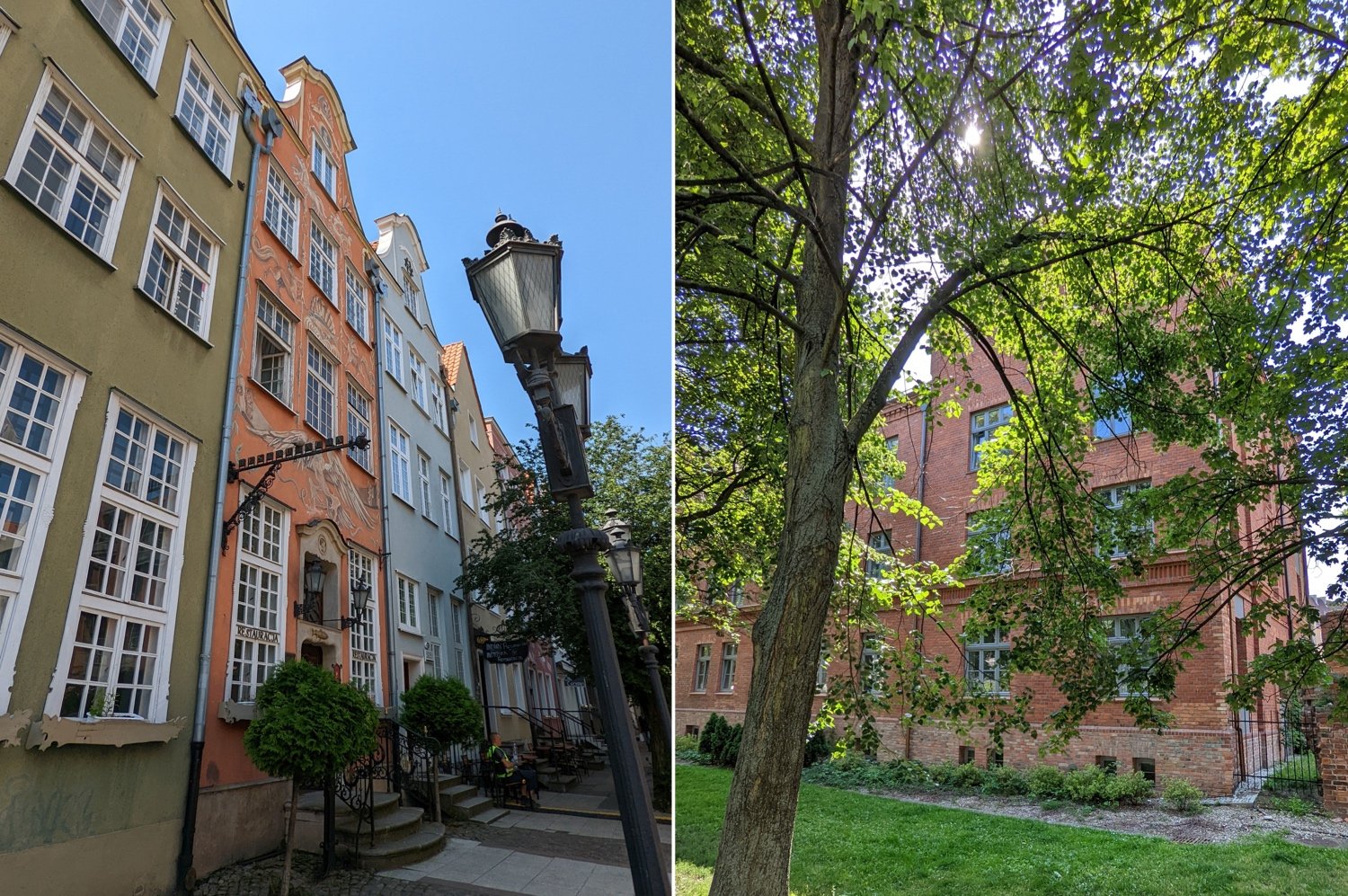
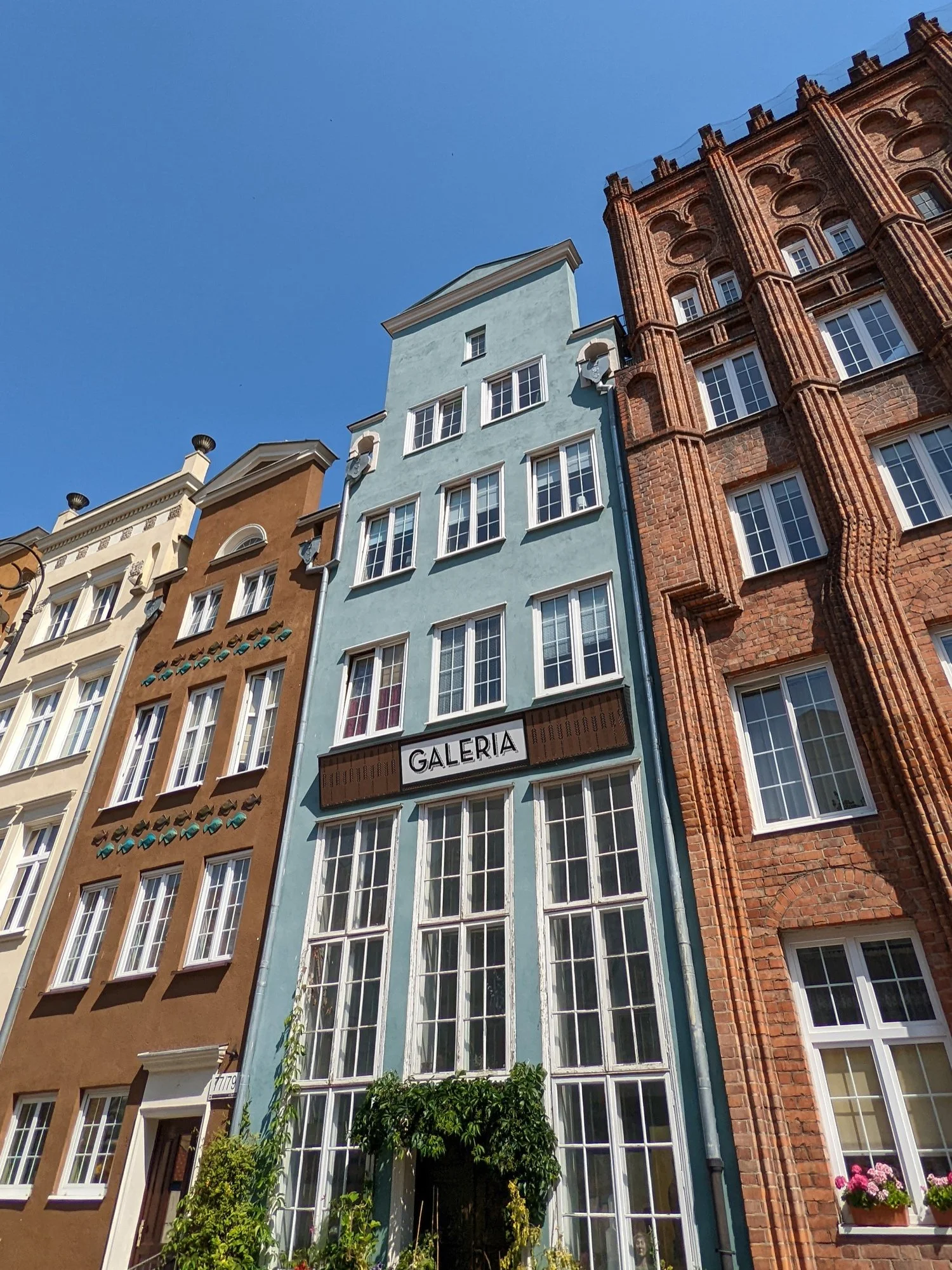
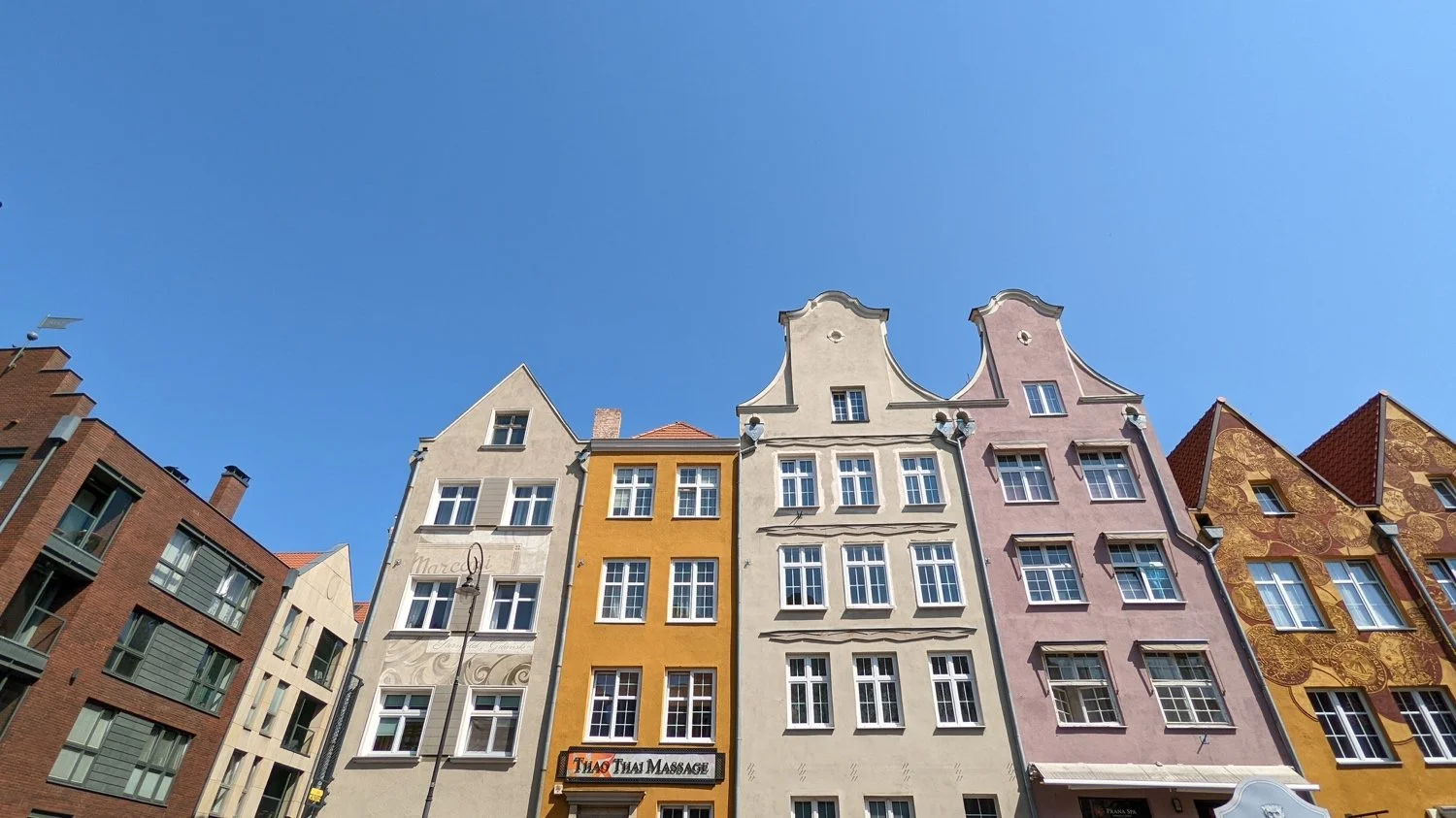
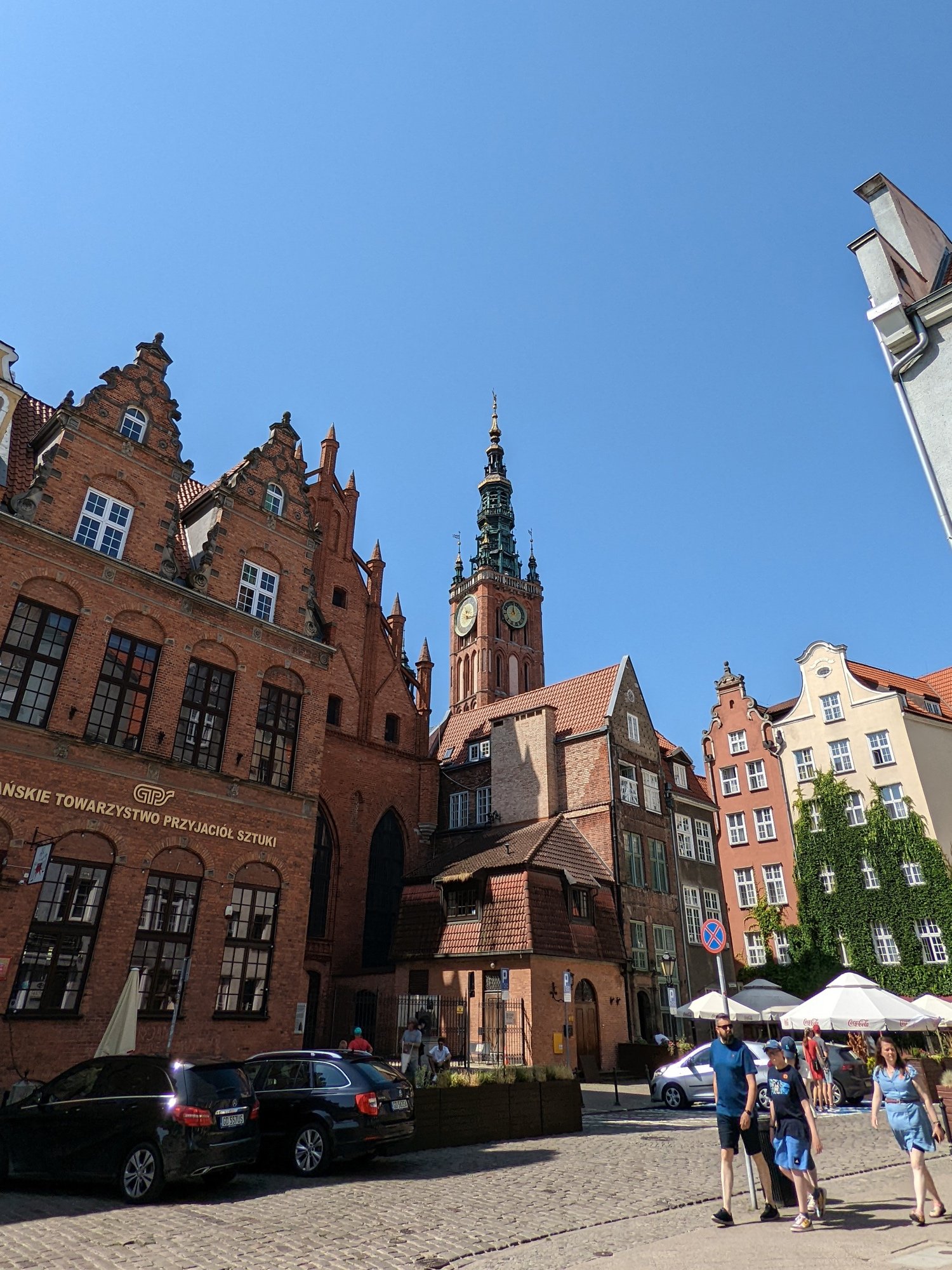
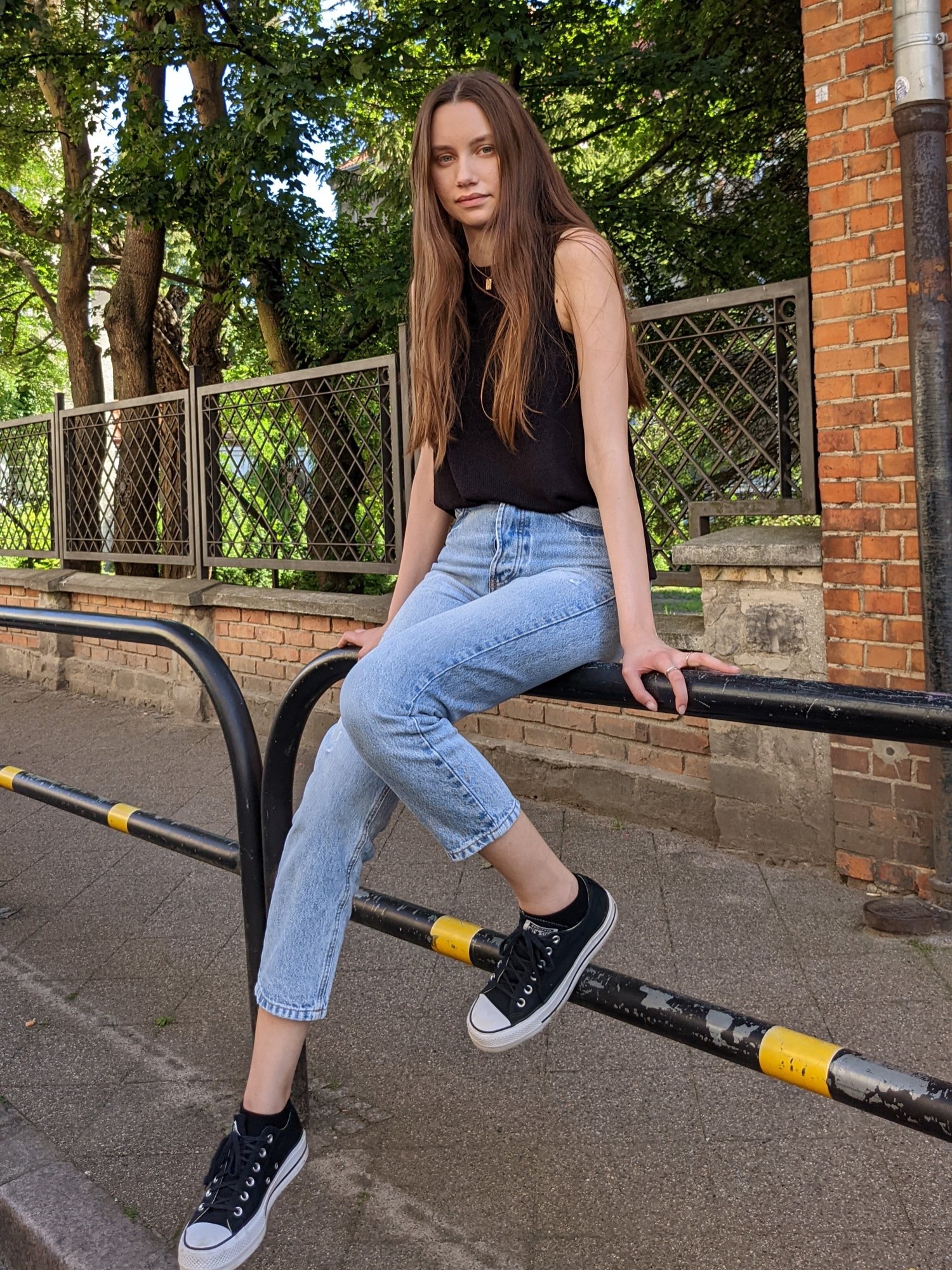
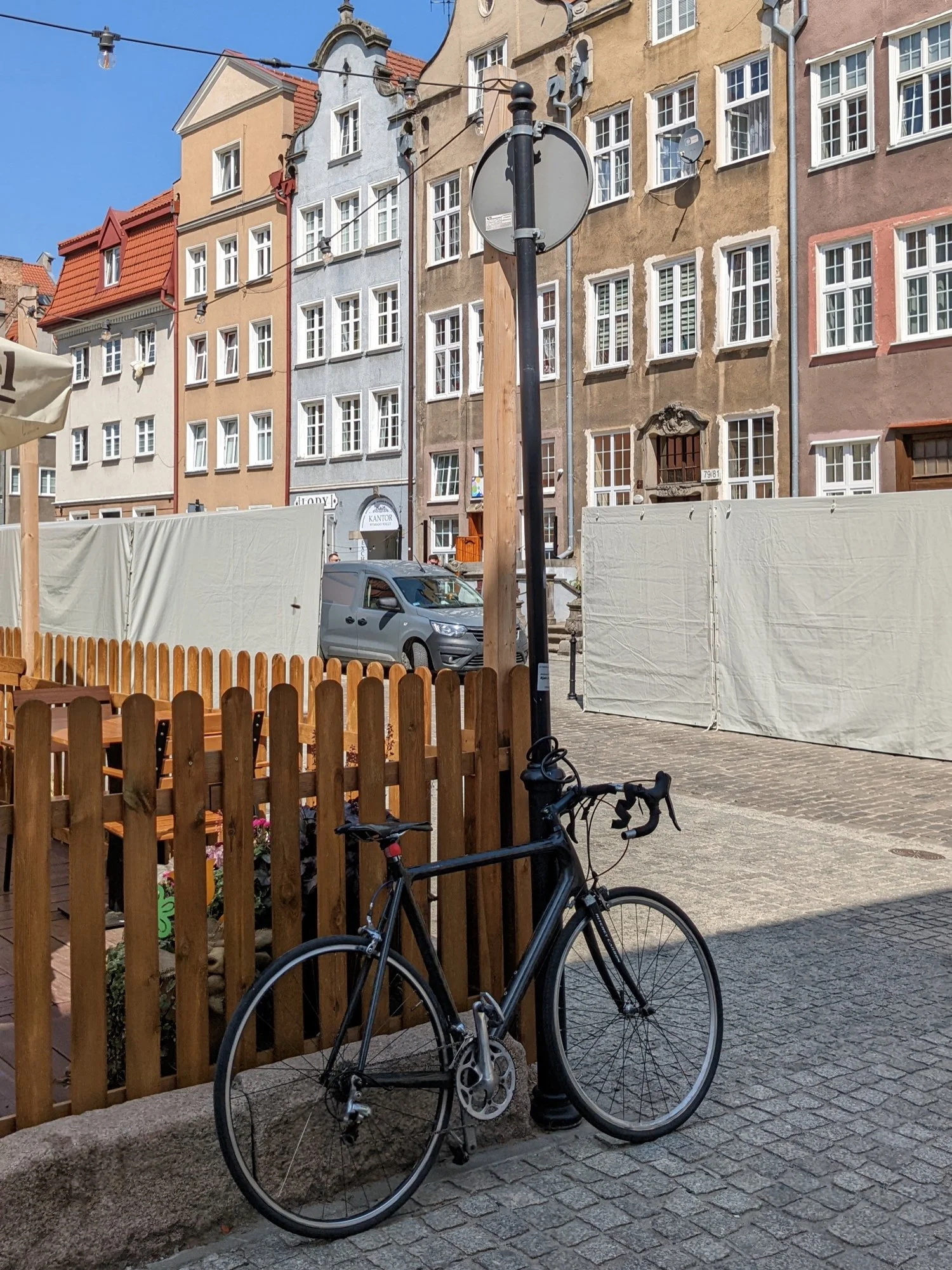
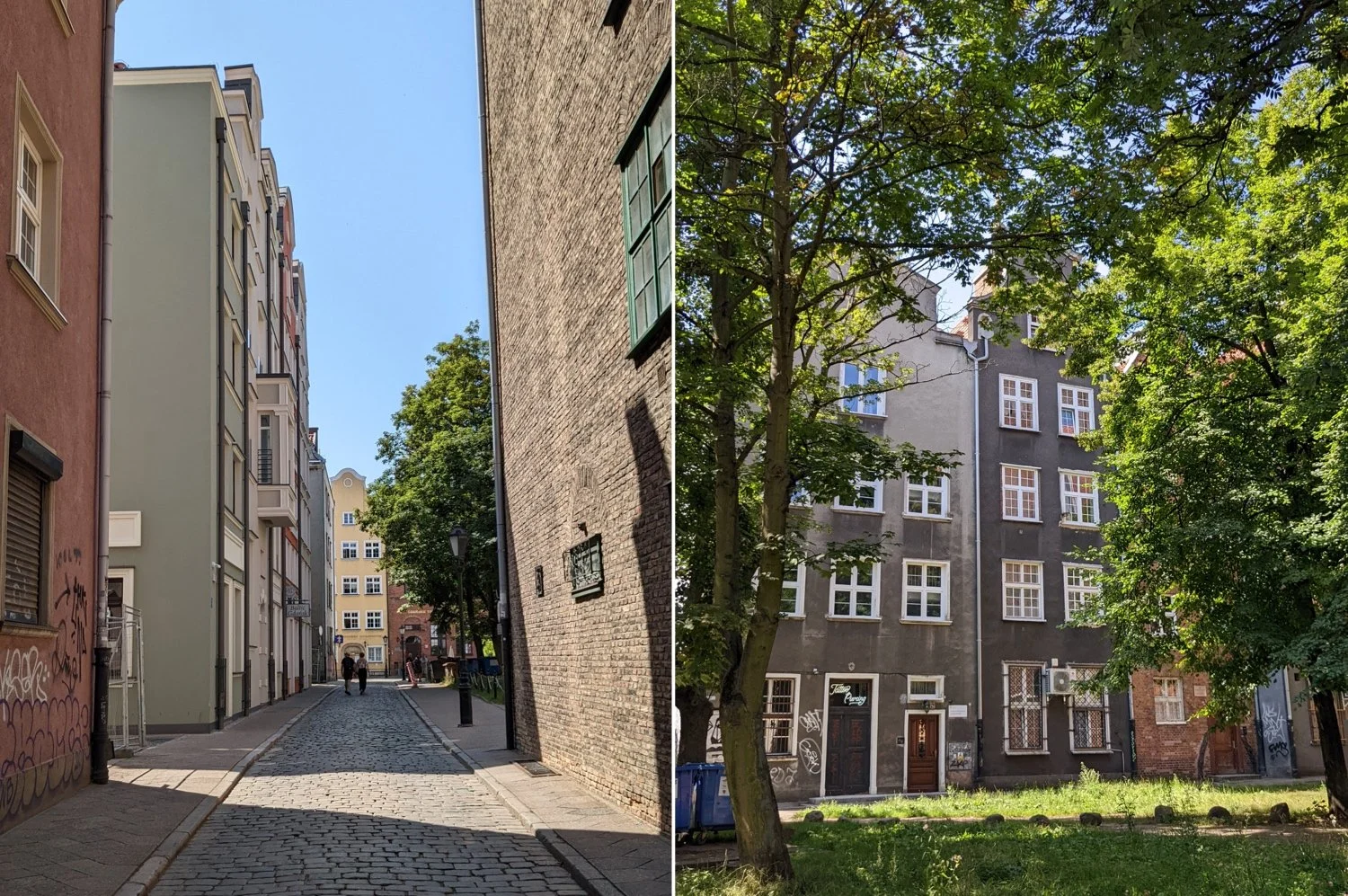
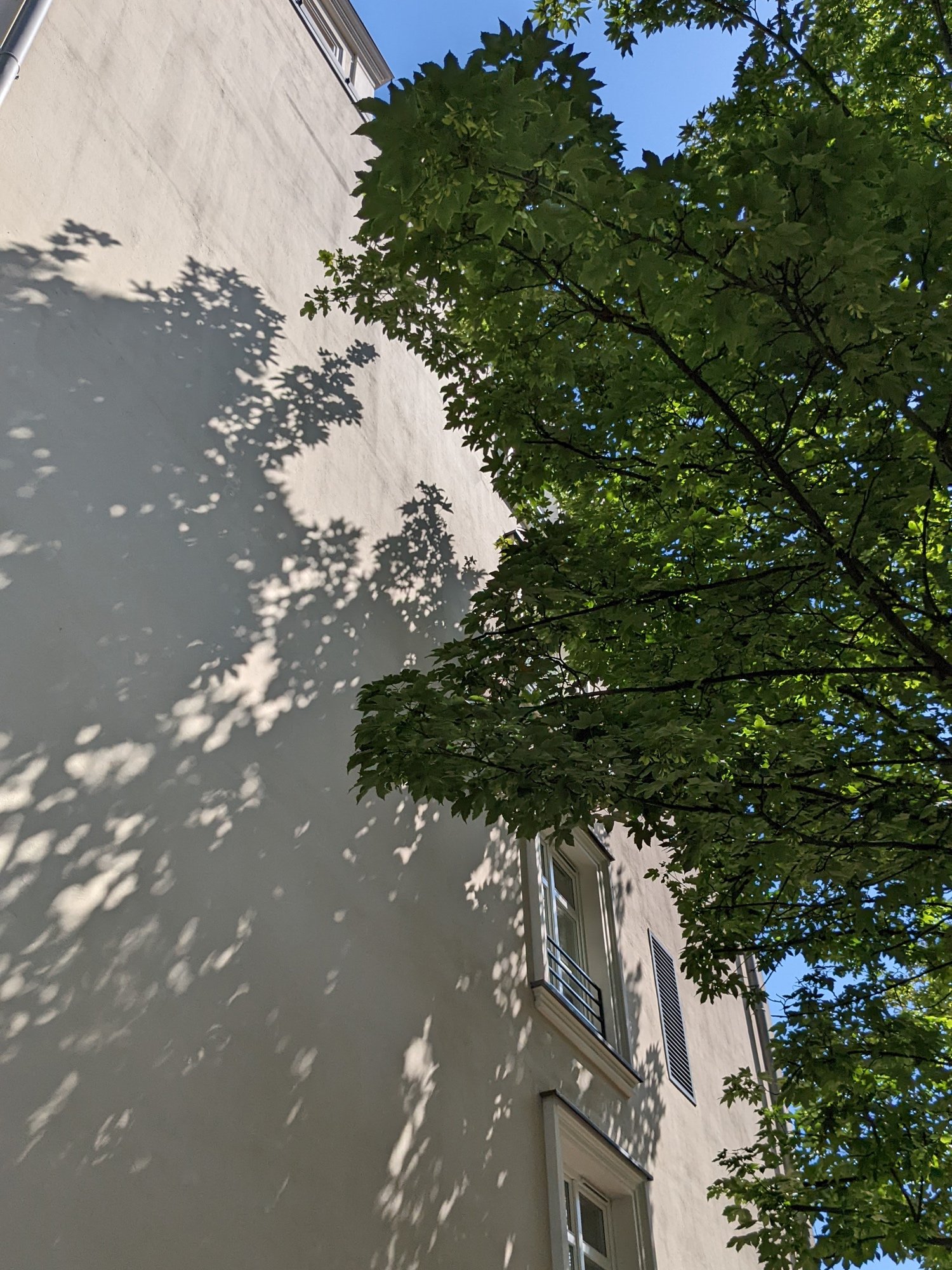
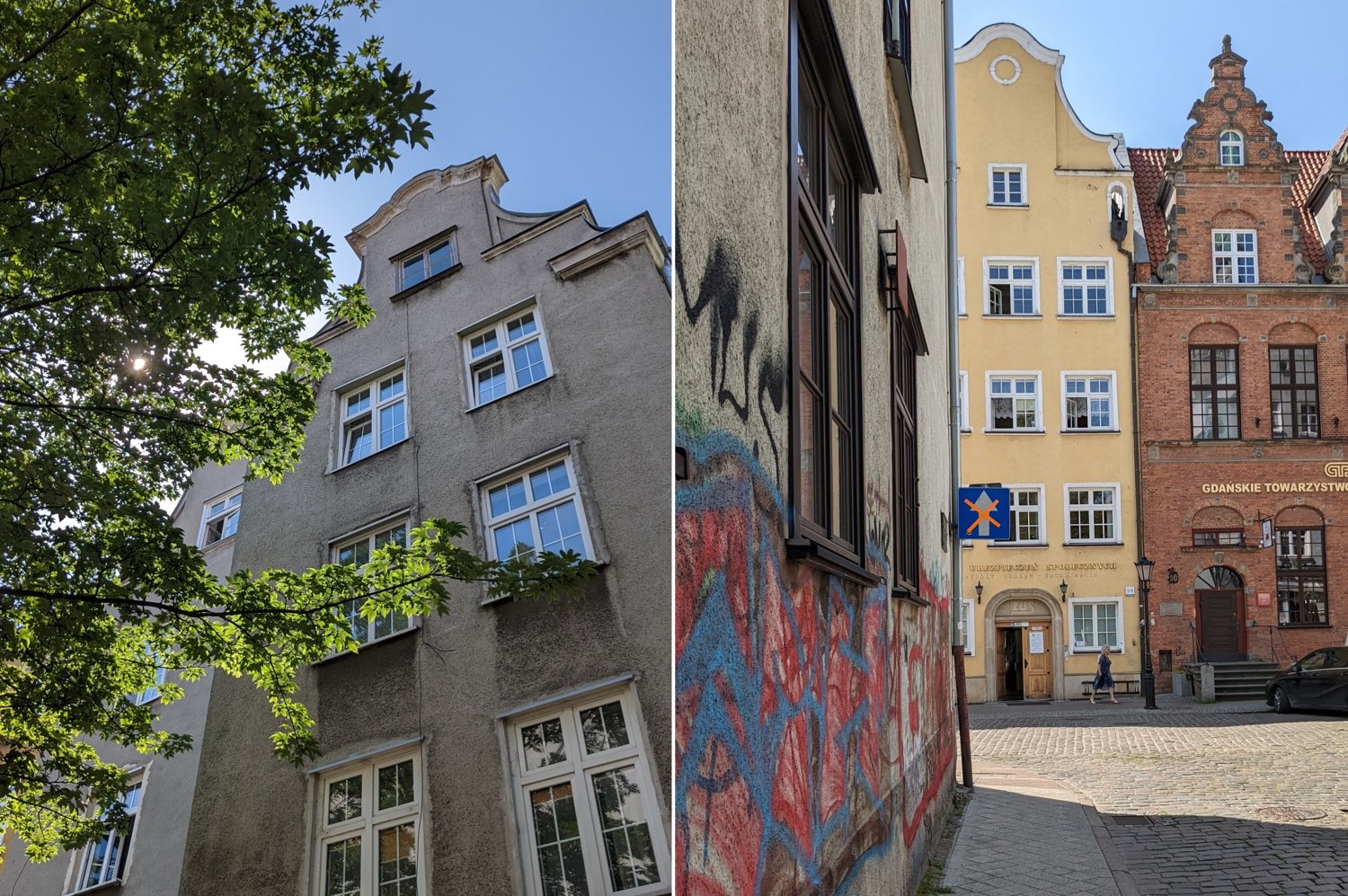
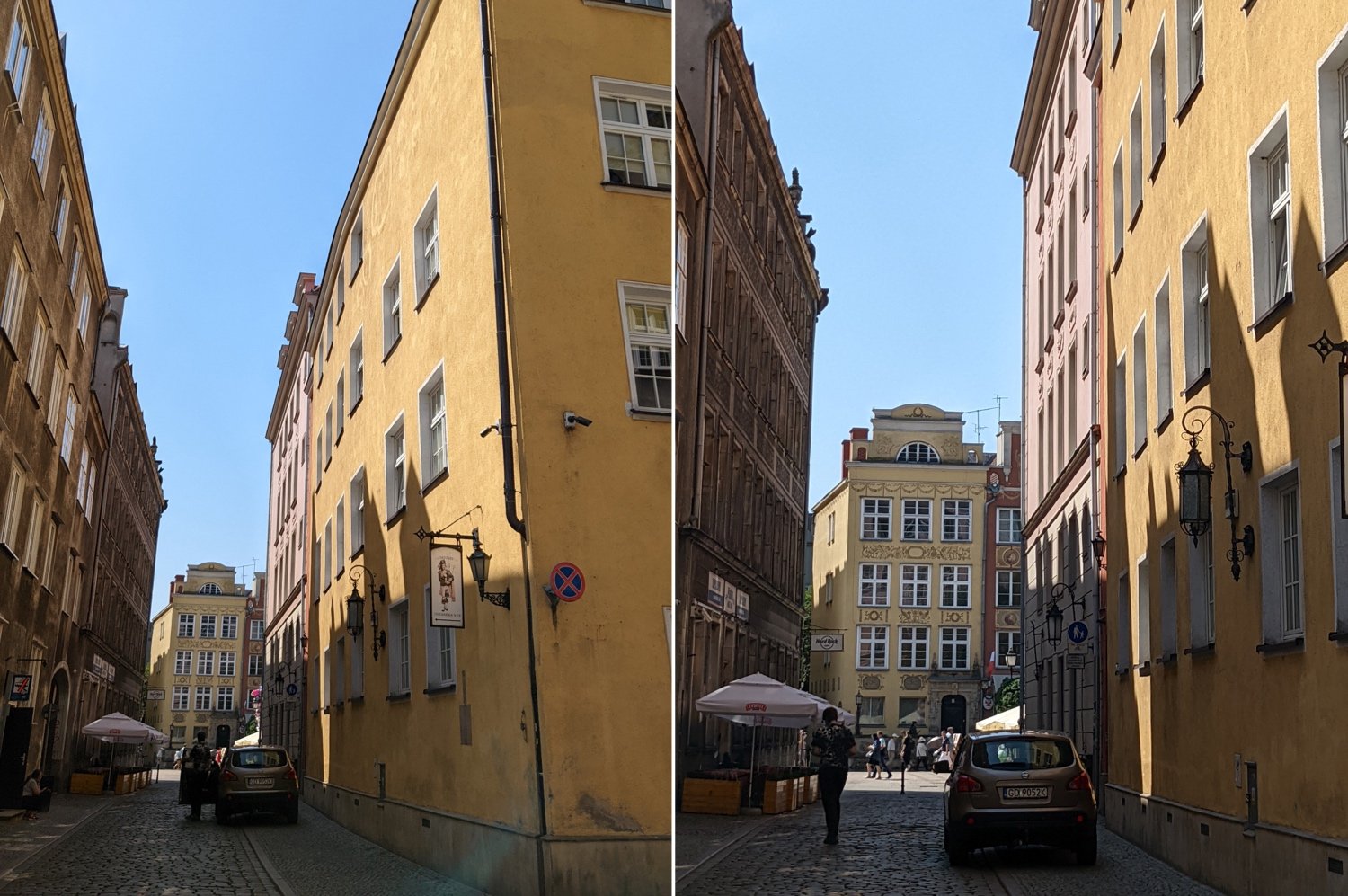
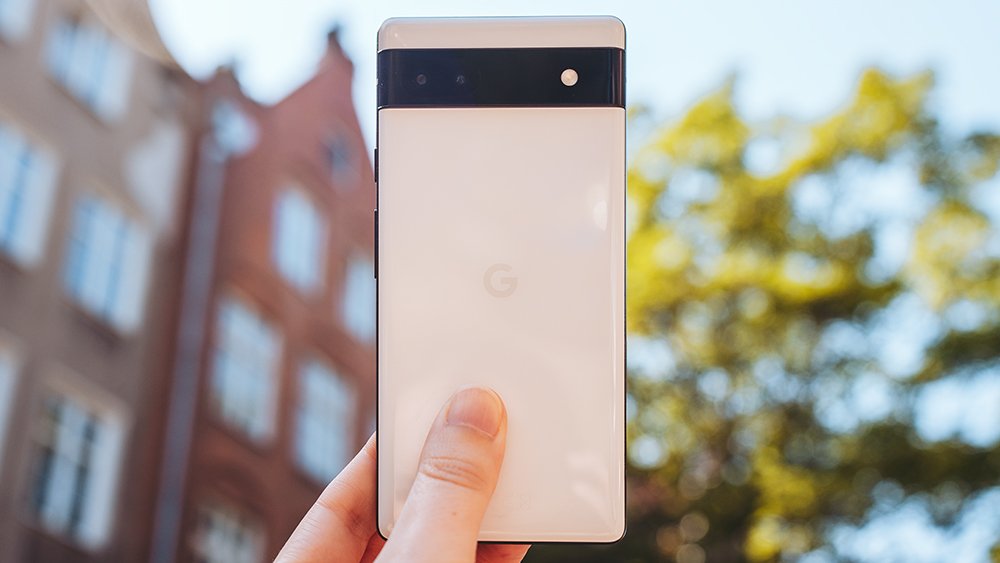
The Google Pixel 6a has a 12 megapixel ultra wide rear camera. It has an aperture of f2.2 and has a 114° field of view. The ultrawide camera has rich and true to life colours. The example photos I am sharing below are all unedited JPGs from the Pixel 6a. I really like the dynamic range of the ultrawide camera, there is plenty of detail and colour throughout the entire photo.
I did notice in some of the portrait ultrawide photos of Oliwia, it looks sharper on the background. In my personal opinion, the ultrawide camera really shines when taking photos of landscapes. Watch my behind the scenes and review video to see more examples! And please subscribe to my YouTube channel, I upload new photography videos every single week.
Pixel 6a Wide Photos
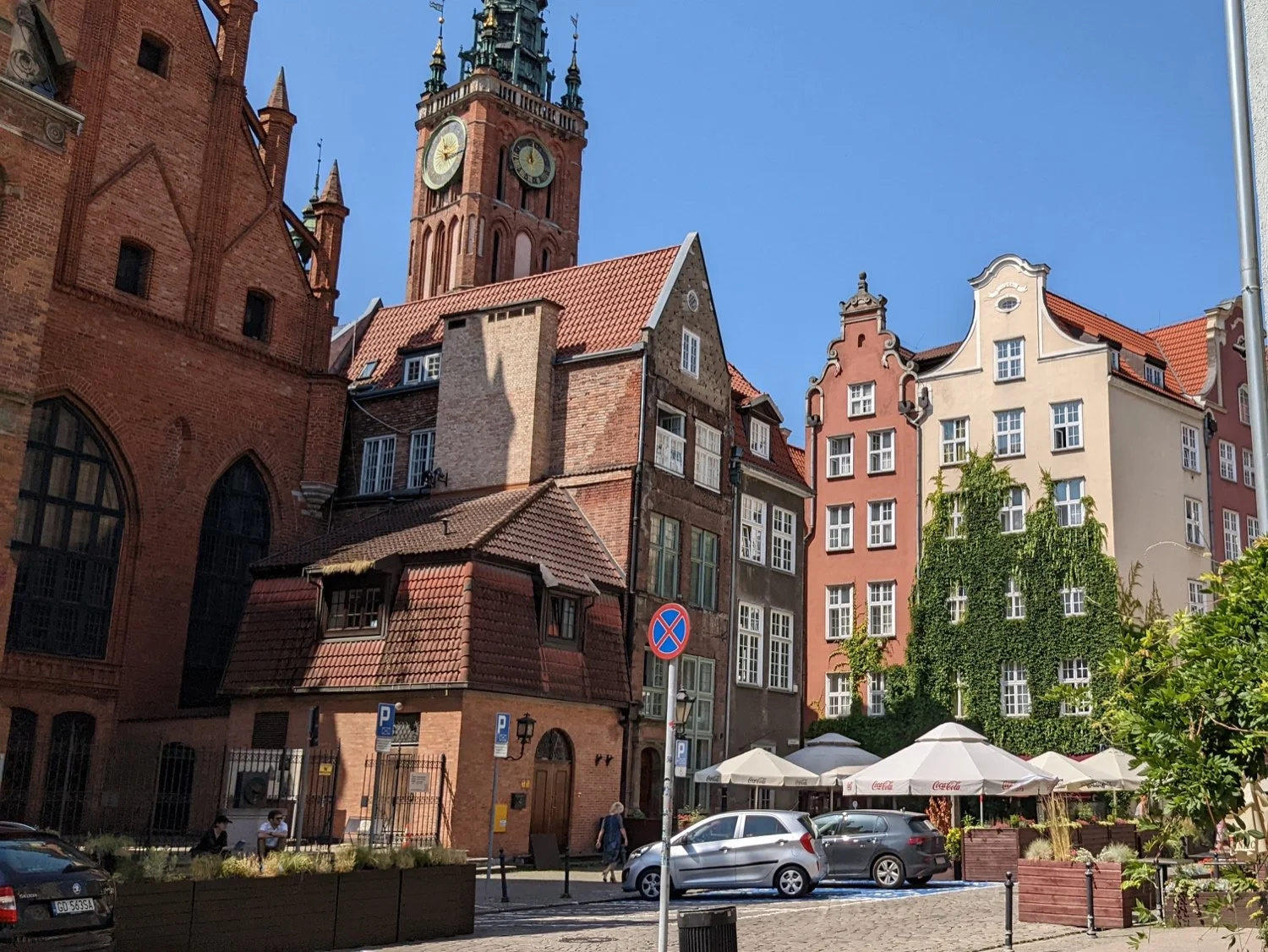
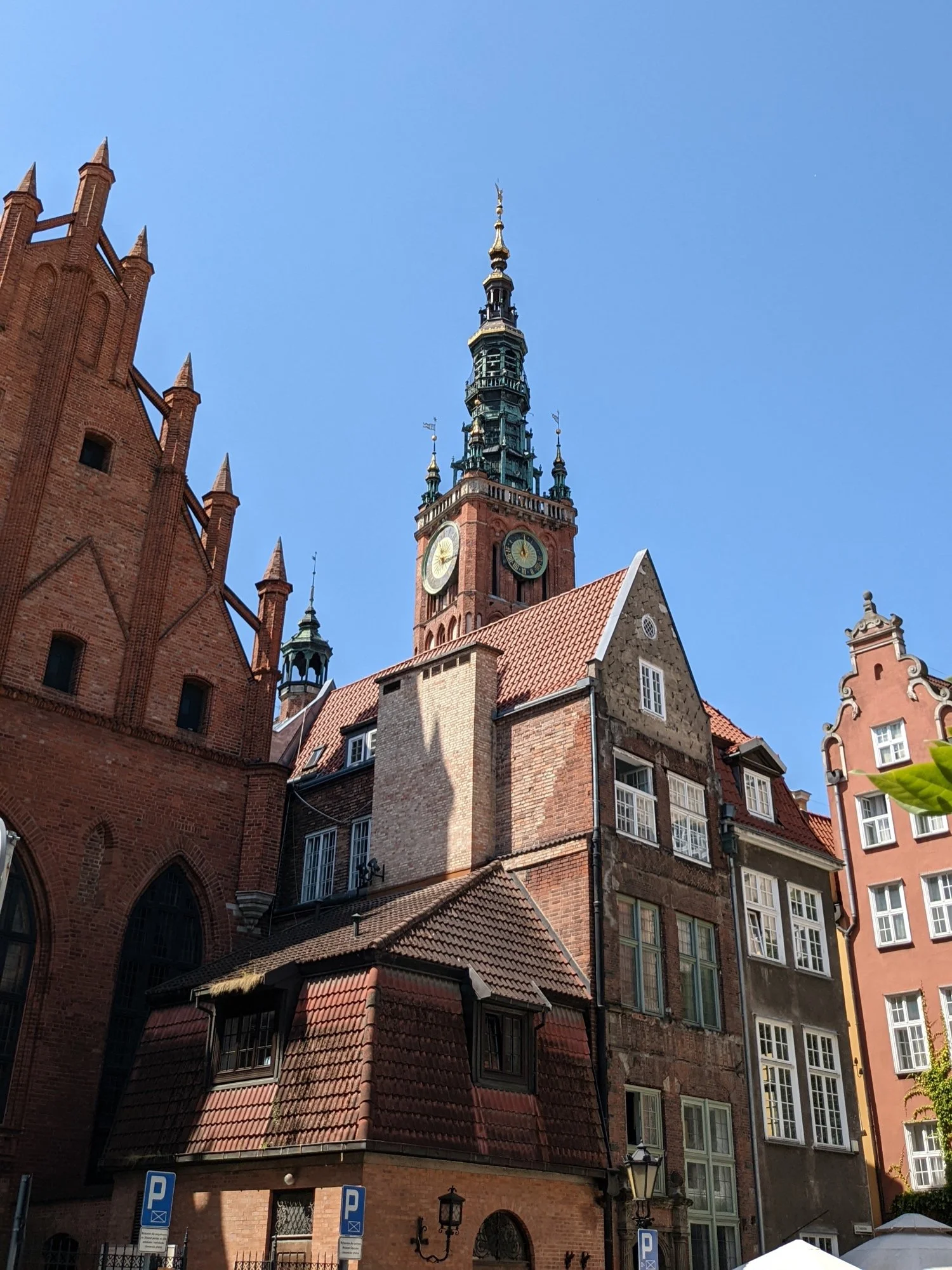
The Google Pixel 6a uses a 12.2 megapixel dual pixel wide camera as the main rear camera of the phone. This lens has an aperture of f1.7 and a 77° field of view. Like the ultrawide lens, the colours of the wide camera are vibrant and true to life. For this Pixel 6a camera test, I wanted to create a real-world review where I mimic real world usage of a phone camera. I did a portrait session so we can see how this camera focuses and performs with portraits. I also took the Pixel 6a on the street of Gdansk, Poland to capture cityscapes and landscape photos.
I took photos of lots of different subjects and lighting scenarios. I found the results of the Pixel 6a were consistent regardless of what I was taking a photo of in terms of colours and dynamic range.
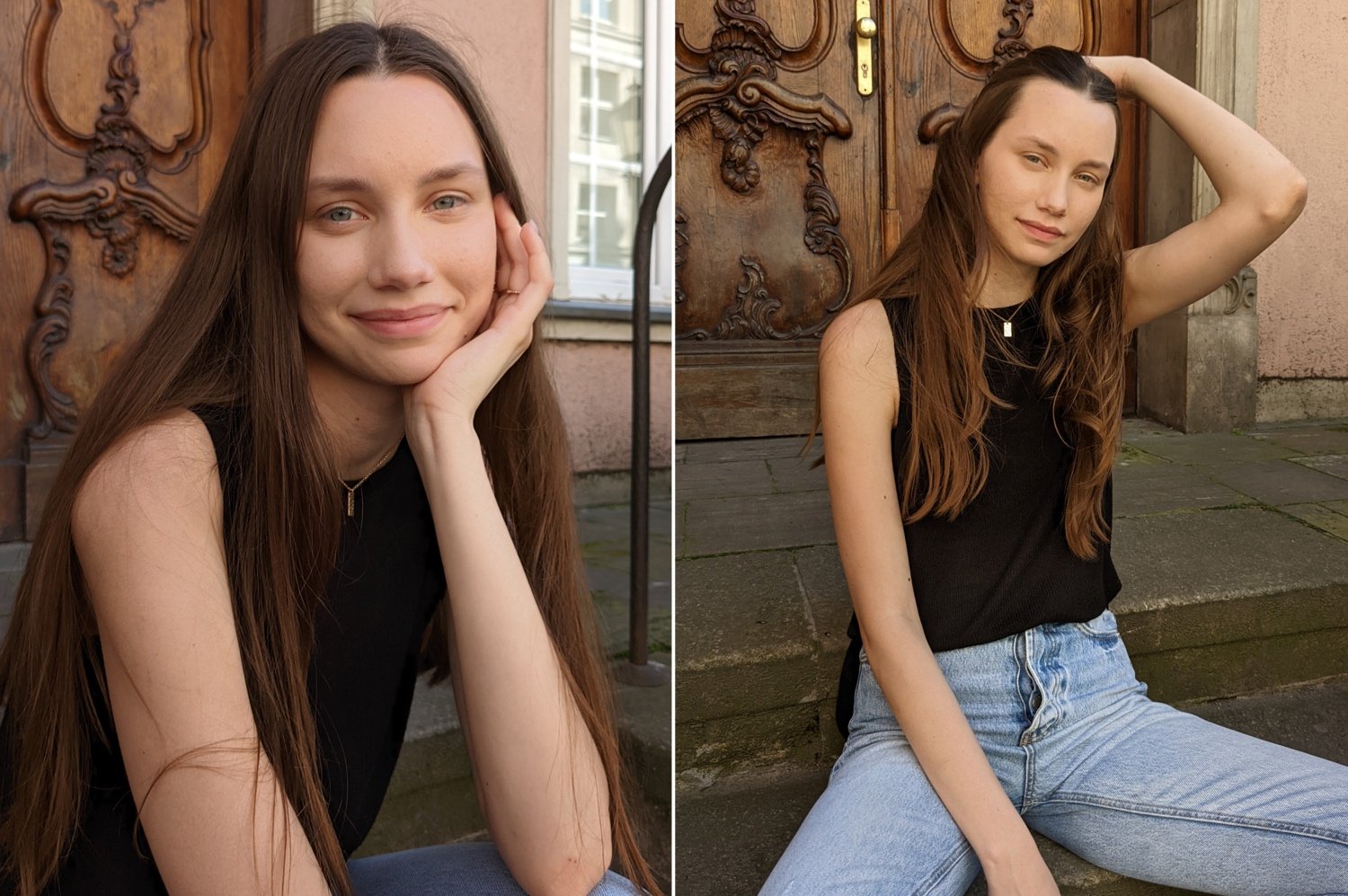
When taking portraits, I noticed the AI processing of the JPG files can vary here and there. Sometimes I had very clear and sharp portraits of Oliwia and sometimes a photo will be lacking detail or look sharper on the background. In general I had more good results. If you are taking photos that you plan to print, I would recommend to shoot in raw + jpg. The raw files were consistently sharp and clear.
The rear wide camera makes use of optical and electronic image stabilisation. Watch my Pixel 6a camera review video to see examples of up to 7x zoom. The stabilisation works well in this scenario. When zoomed in it does a great job of keeping the image steady so I can frame my shot.
Pixel 6a Portrait mode
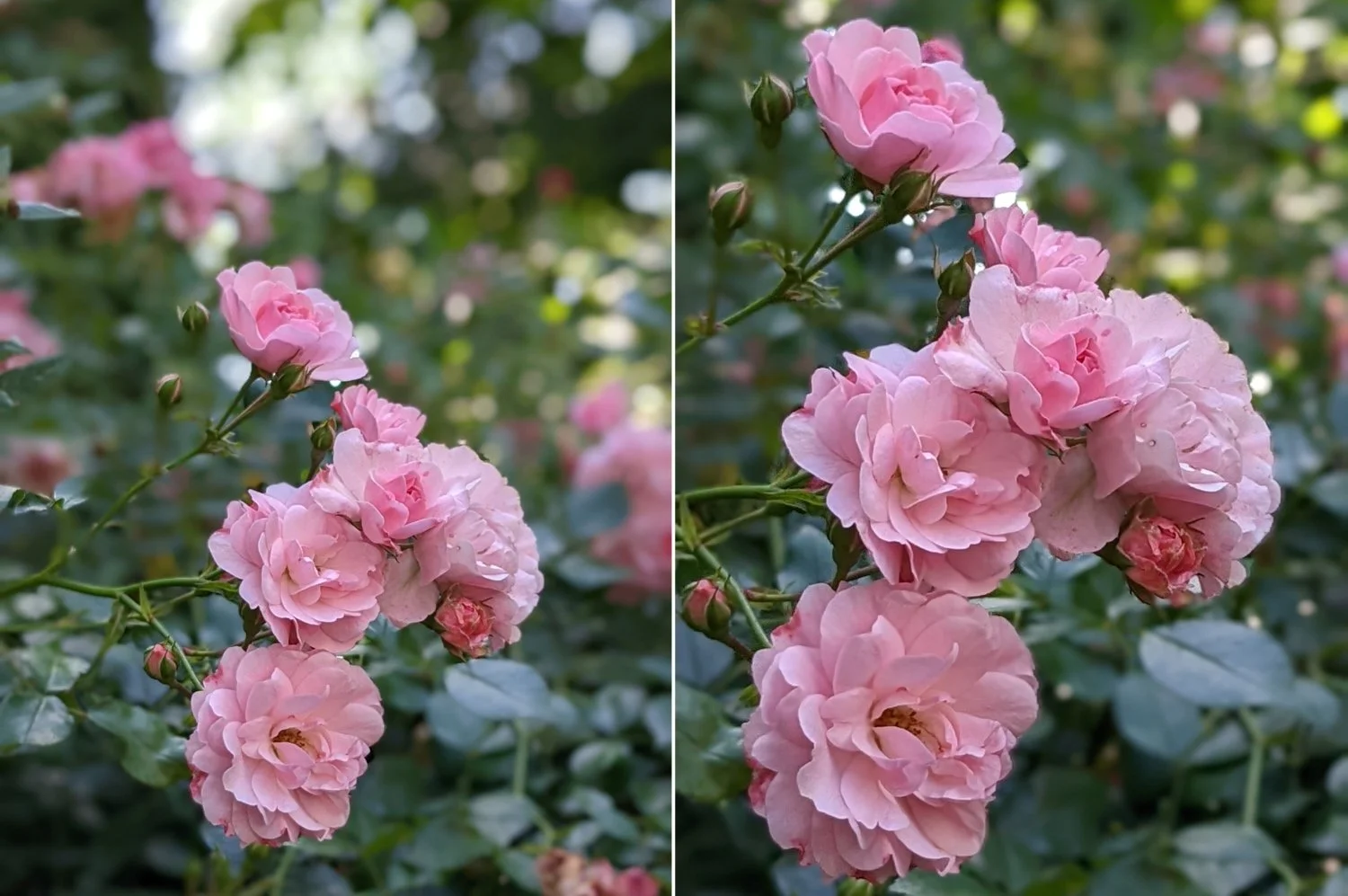
Here are some example images of the Google Pixel 6a Portrait Mode in 1x and 2x zoom. Watch my review video above to see more examples of this!
This blog was put together with Narrative. I use Narrative to easily & quickly create layouts for my blog posts such as you can see here. I also love using Narrative as part of my photoshoot culling process to see which images from a shoot I should edit. I’m excited to say I’ve teamed up with Narrative and have a 15% discount code for you using the code julia15 or by clicking this link! You also have the option to download a free trial to test it out and see if it’s right for your workflow.
Pixel 6a 1x vs 2x zoom

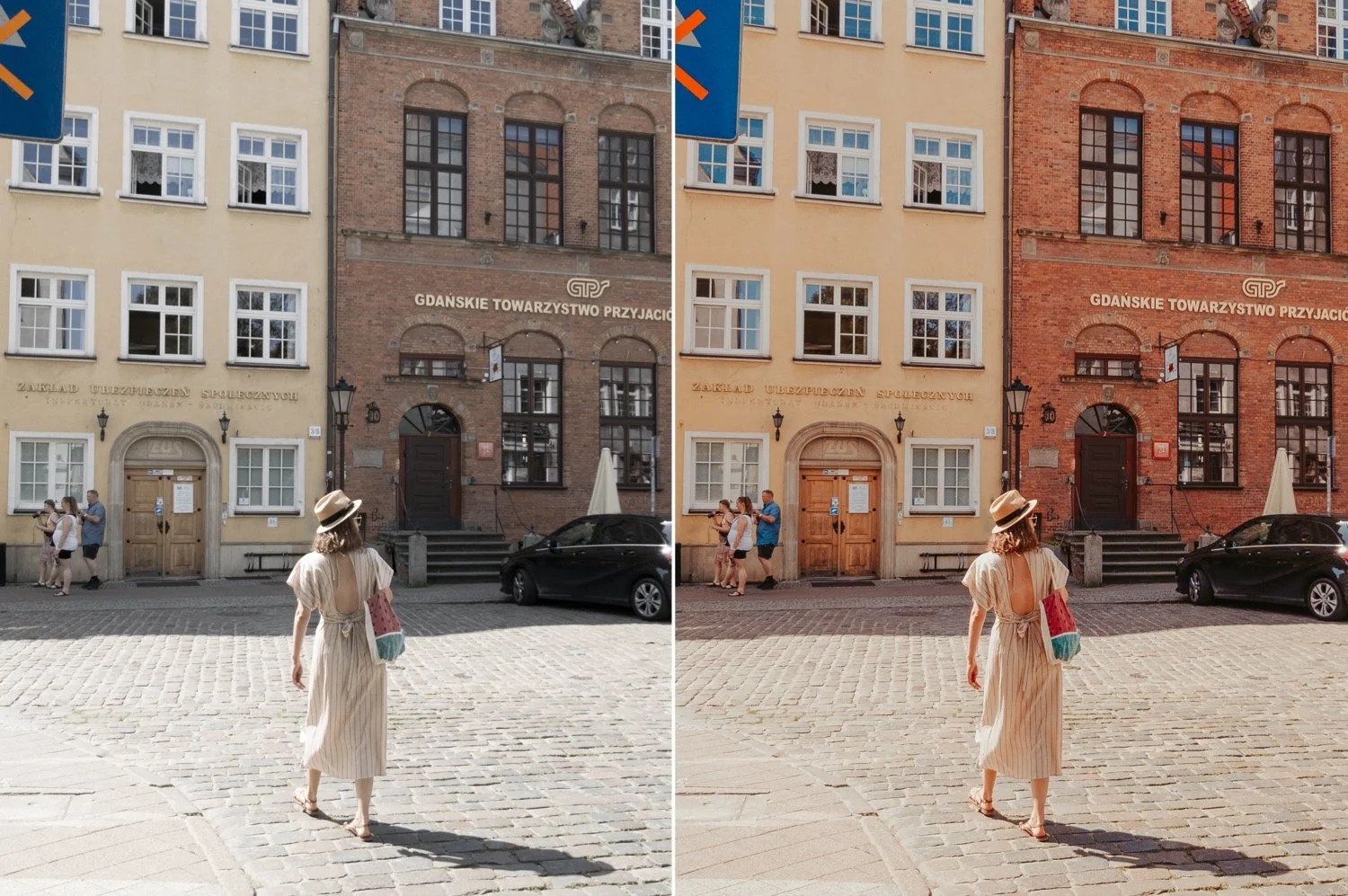
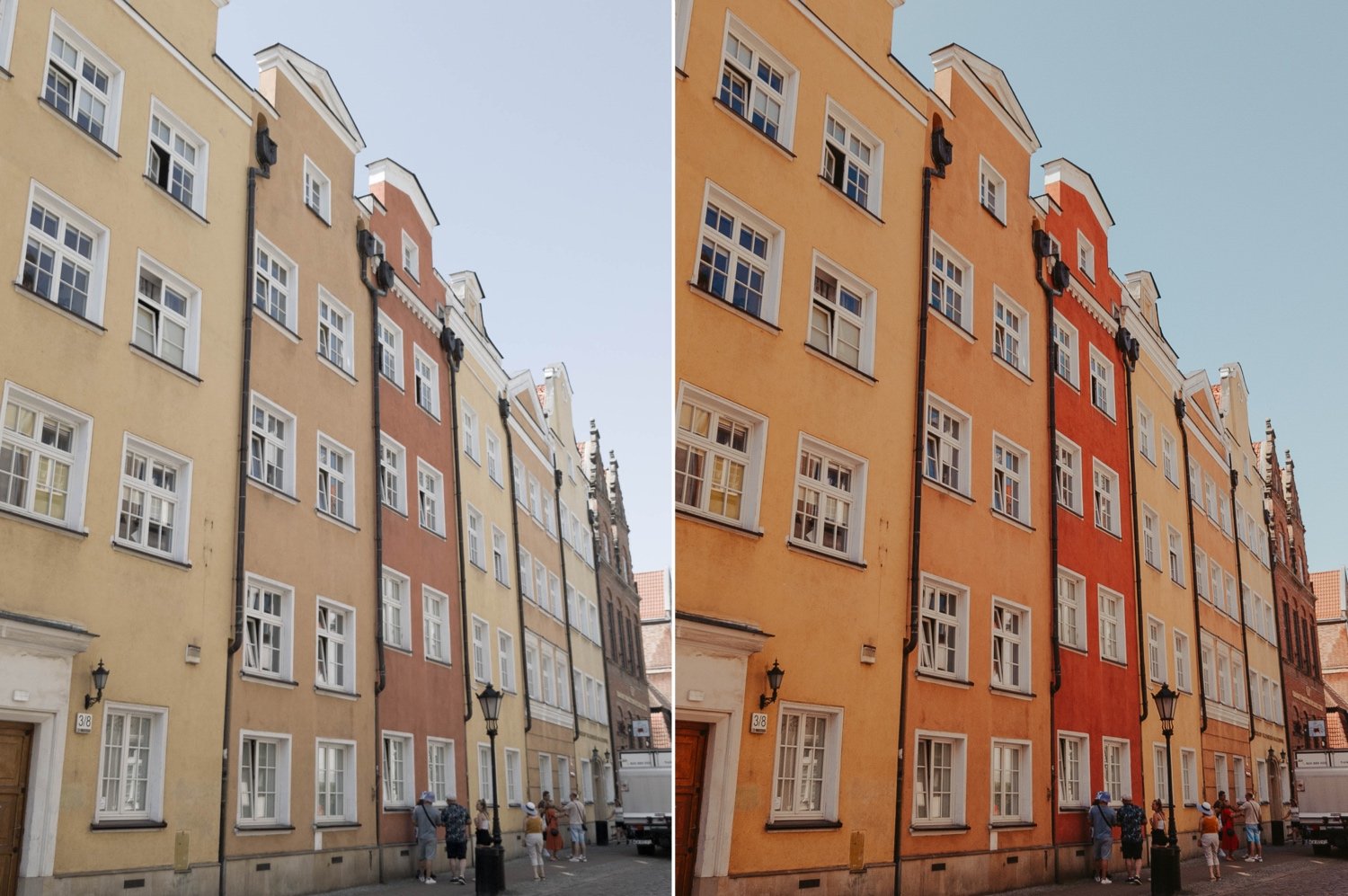
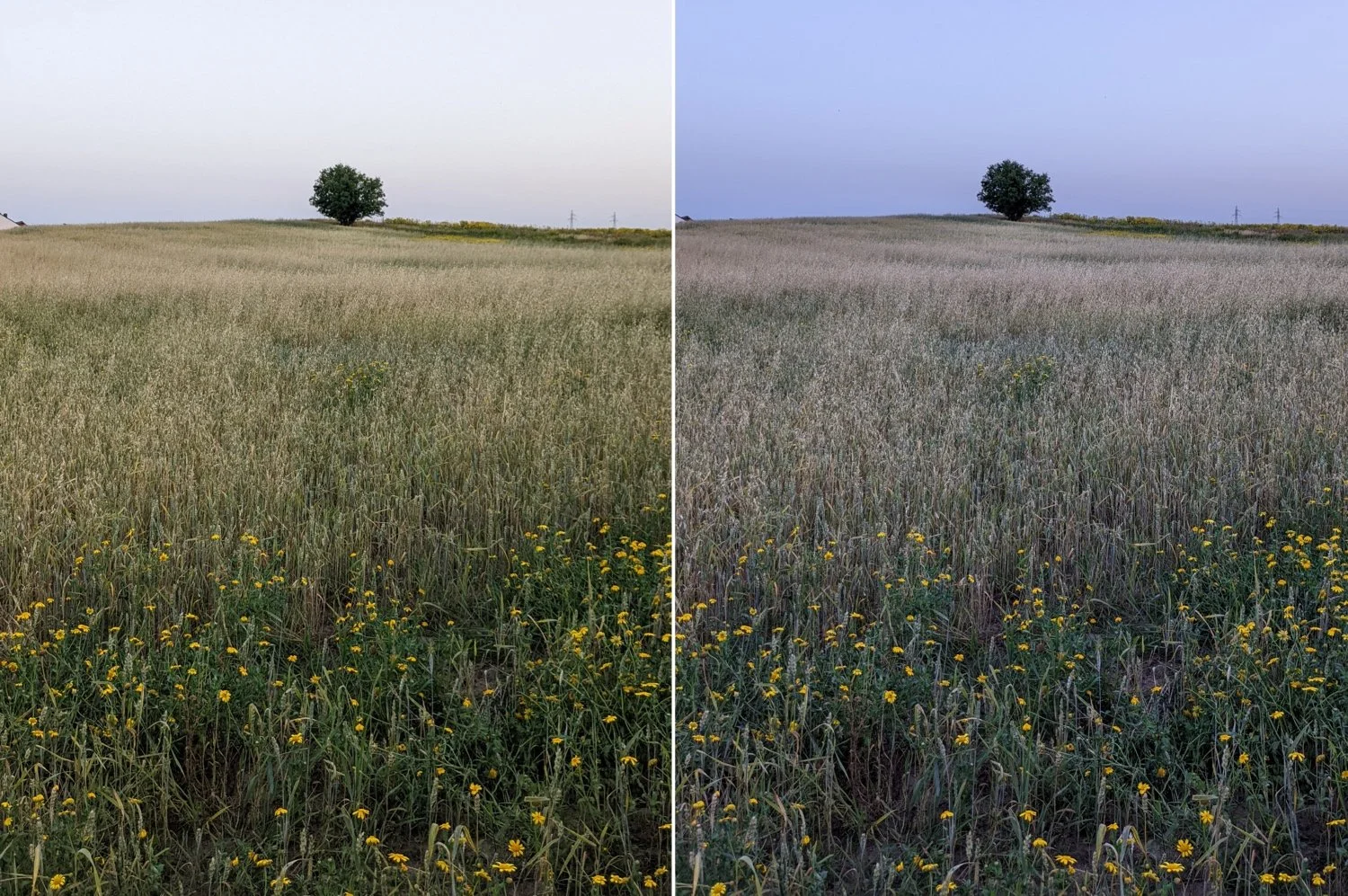
GOOGLE Pixel 6a Raw vs Edited Photos
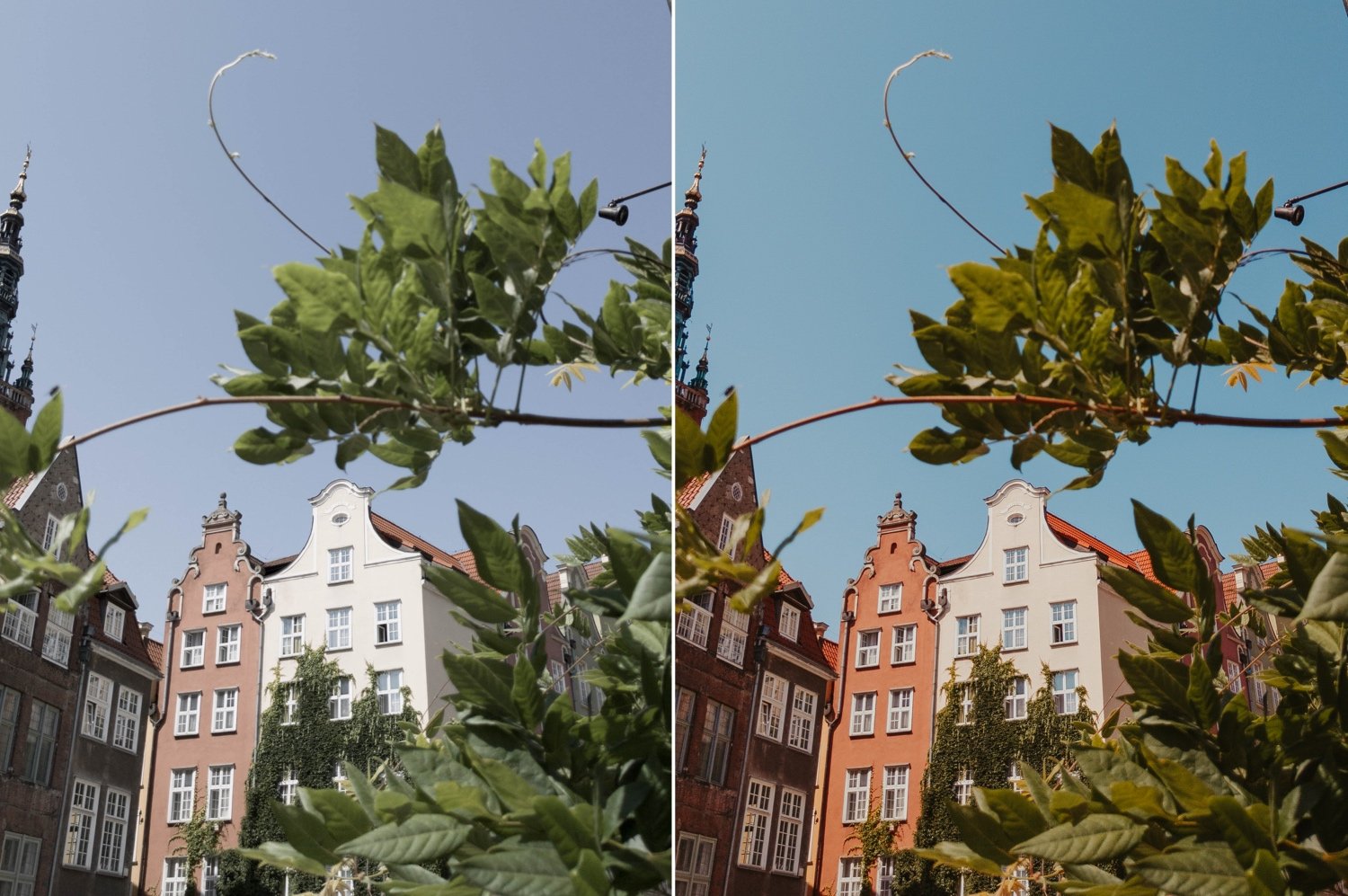
These Google Pixel 6a photos were taken in raw + jpg. I opened the raw DNG files in Lightroom and edited them with my Amalfi Lightroom Preset Pack. The before is on the left and the edited photos with Amalfi on the right.
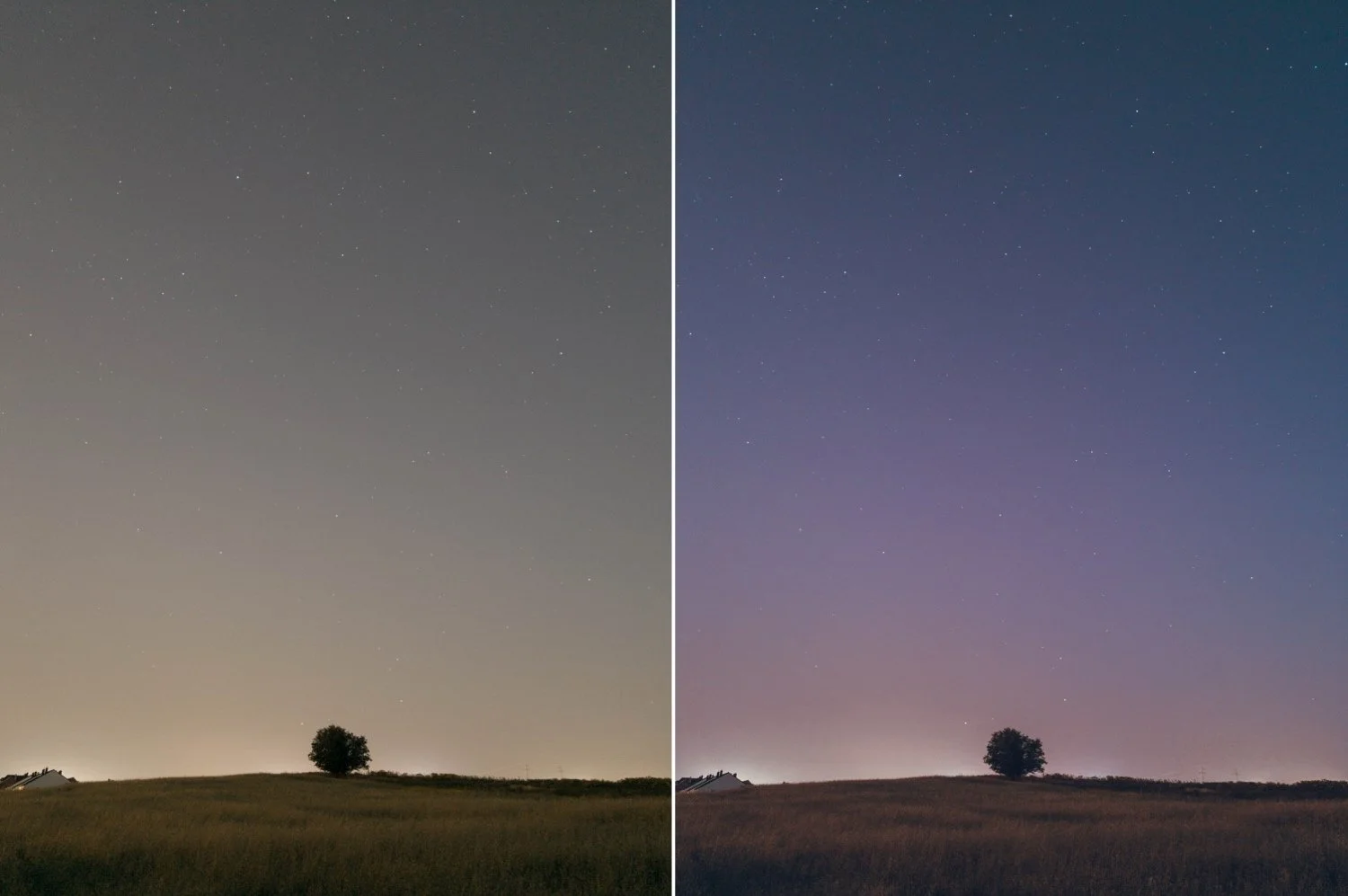
GOOGLE Pixel 6a Night Sight + Astrophotography
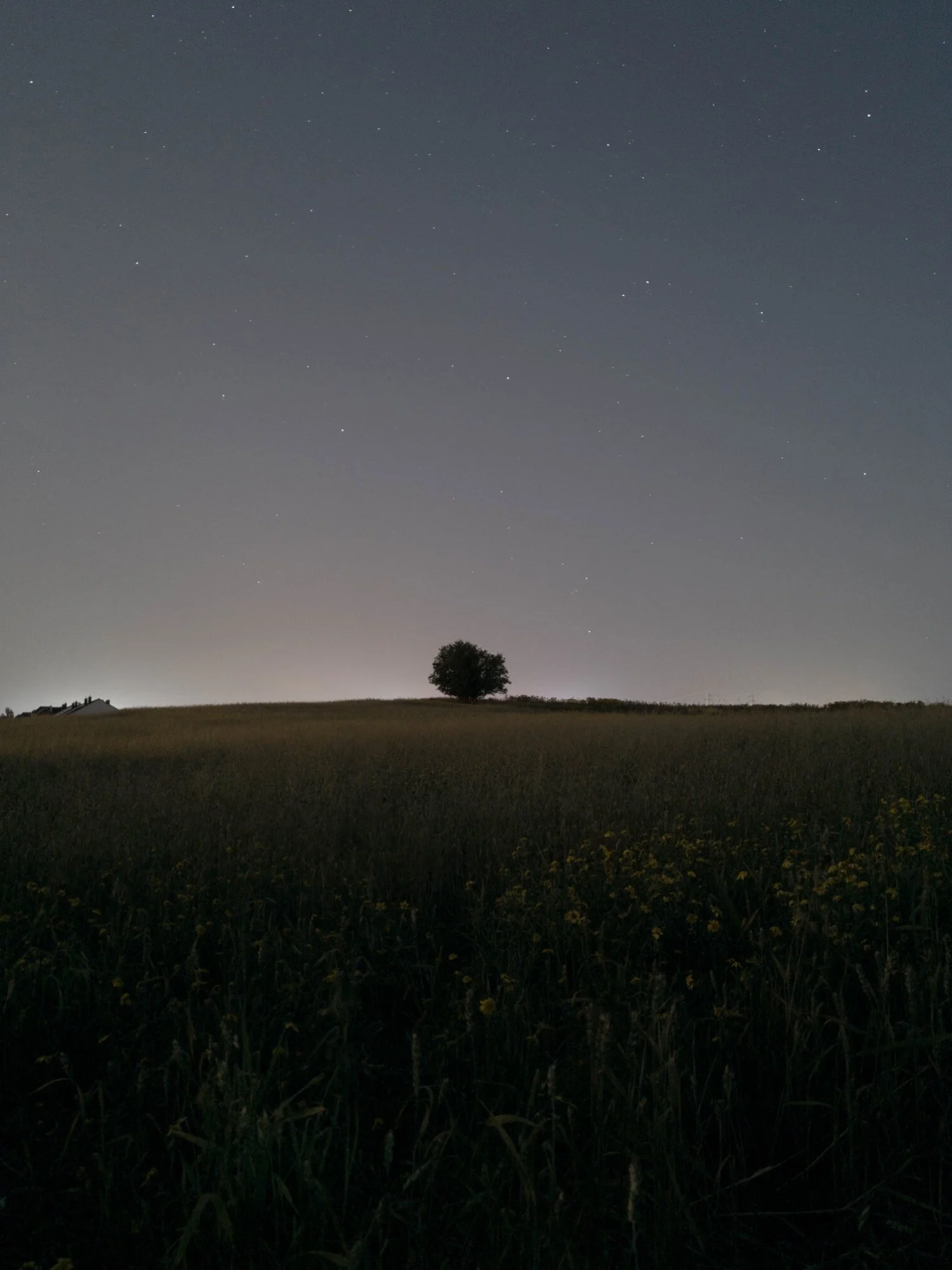
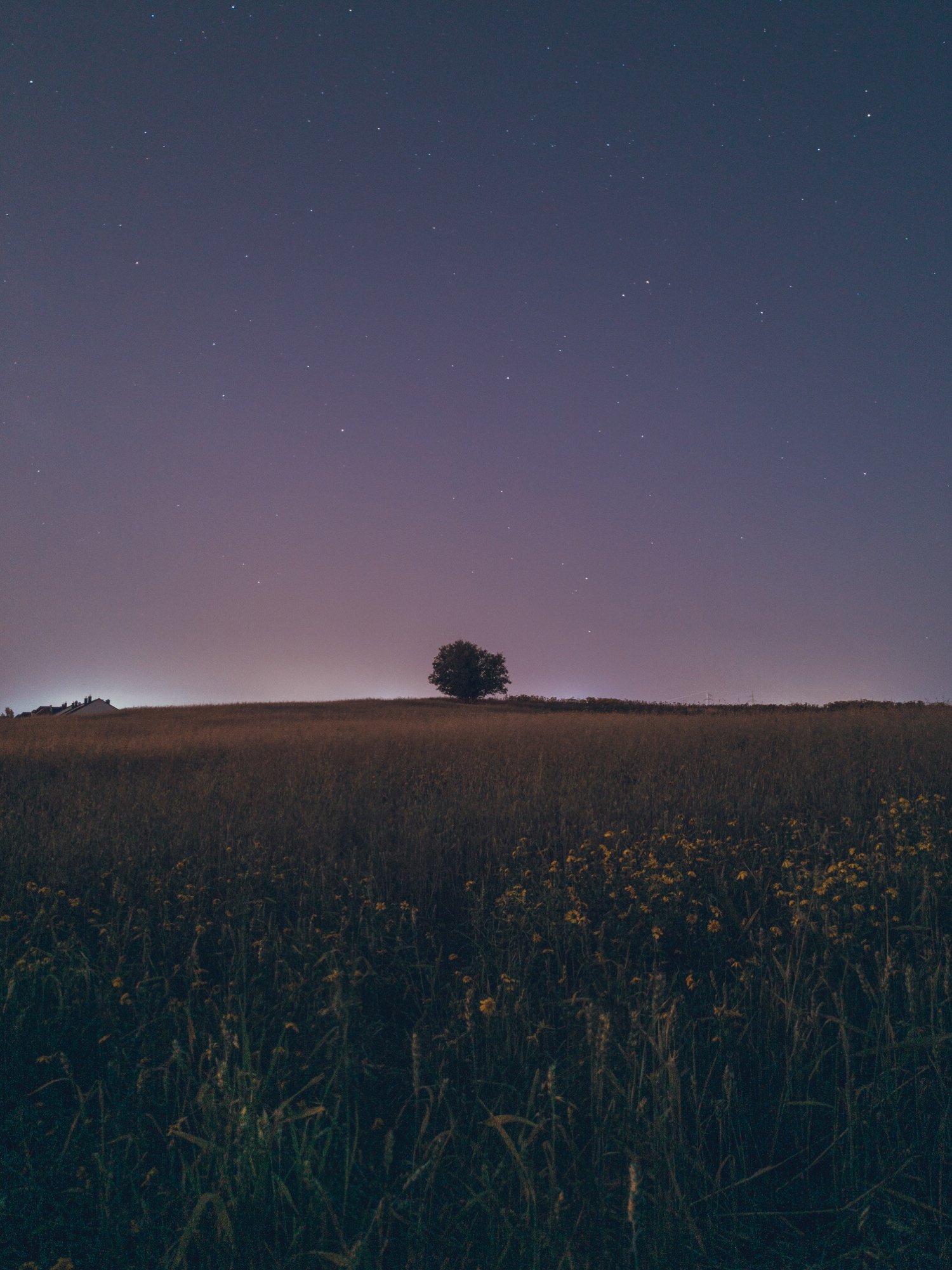
These first few photos were taken with night sight and the Pixel 6a handheld. I also tested out astrophotography which produces beautiful photos! While the Pixel 6a does a great job at creating an astro JPG file, I decided to edit the raws. So the before photo is the unedited raw and the after photo I edited with my Earthy Lightroom Preset Pack in Lightroom. You also can’t see the milky way like my usual Pixel night photos since I am currently in Poland instead of Sydney. During this time of year, it doesn’t get dark enough to see many stars!
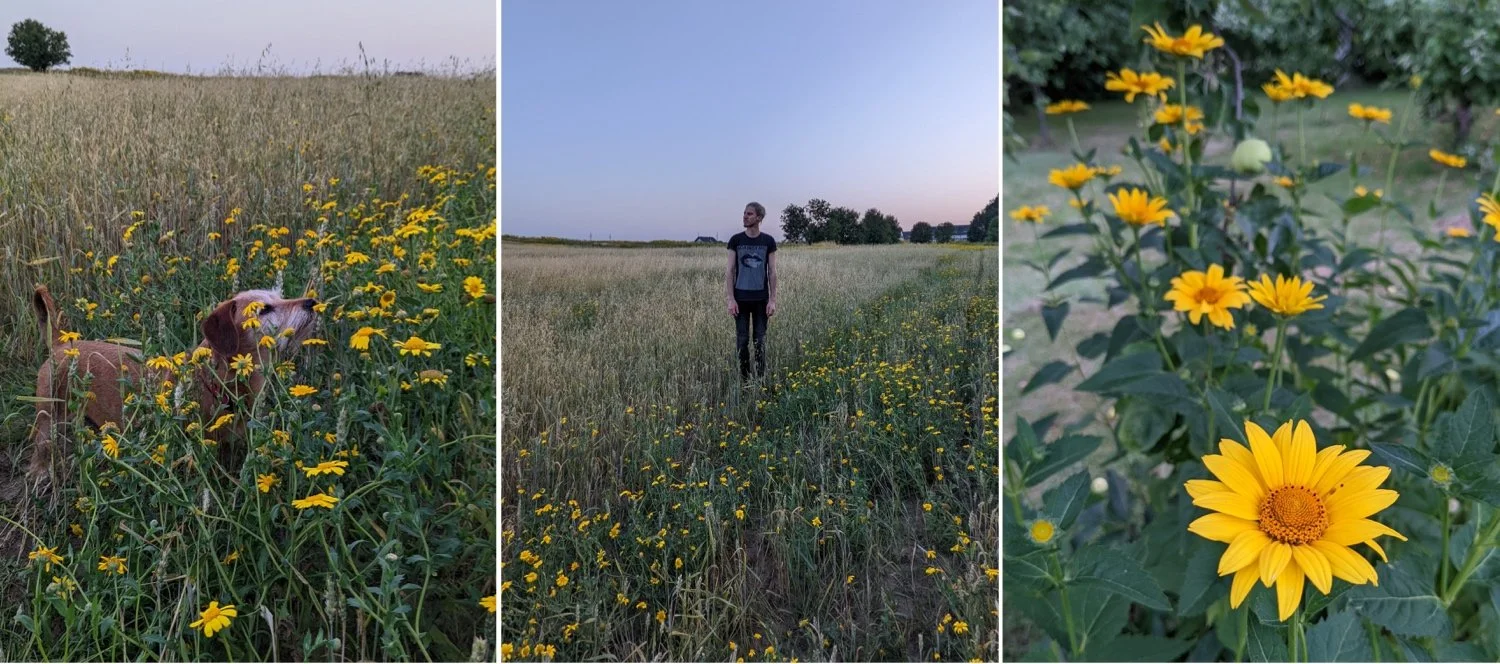
If you enjoyed this camera review of the Google Pixel 6a, you should check out my review of the Google Pixel 6 Pro here! And to download a sample gallery of the photos I took on the Pixel 6a, click here. I have included a variety of photos for you to be able to take a closer look at from ultrawide, wide, 2x, portrait mode, astrophotography and more. Each lens used has been labelled in the file name of the photos in the sample gallery. Let me know what you think of the Google Pixel 6a sample gallery in the comments!
The A6700 is an APS-C hybrid camera body with a 26 megapixel backside illuminated sensor. This camera features the new AI autofocus system first introduced by the A7RV. This means the A6700 has real time recognition autofocus since it features an AI processing unit just like the A7RV. It's great to see this new AF tech in an APS-C body especially considering price point of the camera.
The Nikon Z8 is a 46 megapixel full frame camera, featuring a fully electronic shutter. During this portrait photoshoot with the Z8, I am using 2 lenses. The Nikkor Z 35mm f1.8 S and Nikkor Z 85mm f1.2 S. Watch my behind the scenes video to see the SOOC unedited photo at 100% crop. The photos in this blog post are my final, edited version of the images from the Nikon Z8.
The Fujifilm X-S20 is a hybrid mirrorless camera body with a 26.1 megapixel APSC sensor. Like the X-S10, the X-S20 embodies a simpler body design without the dedicated shutter and ISO dial you'll find on other Fujifilm bodies such as X-T series. I also use this camera for a portrait photoshoot and share unedited, straight out of camera images at 100% crop.
The Google Pixel 7a is Google's latest mid-range phone featuring 2 cameras. I'm taking the camera's out for a hands-on review in real world to see how they perform. By taking portraits and cityscapes I will share with you unedited and edited samples of the 7a Ultrawide Camera, Wide Camera and 2x Zoom. I also share video samples of the Pixel 7a with both the rear and front cameras, plus share a sample of the microphone quality.
The Samyang V-AF 75mm T1.9 is a full frame, Sony E-mount lens. For photography, I am using this prime lens on the Sony A7IV and the A7sIII for video. This V-AF 75mm T1.9 is part of Samyang's new video lens line up.
The Tamron 50-400mm f4.5 - f6.3 is a full frame, Sony E-mount lens. For this portrait photoshoot I am using this lens on the Sony A7IV. This Tamron 50-400mm is a zoom lens with an incredible amount of versatility.
The Samyang 85mm f1.4 AF mkII is a full frame lens for Sony E-Mount. For this review, I am using the Samyang 85mm f1.4 II on the Sony A7IV for photography and the Sony A7sIII for video. In this review, we are checking out how the Samyang 85mm f1.4 mark 2 performs in a real-world setting at a portrait photoshoot. This Samyang 85mm f1.4 II is a moderately priced lens with a fantastic balance between sharp image quality and character.
The Sony A7RV is a full frame, 61 megapixel camera for stills and video. The A7RV weighs 723g, almost as heavy as the flagship Sony A1 which weighs 736g. The Sony A7RV received a huge overhaul to Sony's well known eye AF. The A7RV now uses an AI processing unit to improve the camera's subject recognition capabilities. The new AI processing unit allows the A7RV to have better accuracy with autofocus and more variety in autofocus subjects. These autofocus subjects include humans, animals, birds, insects, trains, planes and cars. Watch my Sony A7RV real world review video below. I share real time human, animal and insect subject recognition examples in stills and video.
The Tamron 20-40mm Di III VXD is a wide angle zoom lens with a fixed aperture of f2.8. This is a full frame, E-mount lens so I am using for this portrait photoshoot on the Sony A7IV. Watch my review video below to see unedited, straight out of camera photos at 100% crop. Throughout the video I share comparison images with lenses of similar focal ranges.
The iPhone 14 Pro and Pro Max features a main camera of 48 megapixels. Throughout this review, I am capturing photos in both JPG and RAW. When in JPG mode, the iPhone 14 Pro produces 12 megapixel files. To access the full 48 megapixel sensor, you need to shoot in Apple ProRaw.
The Google Pixel 7 makes use of a 50 megapixel Quad Bayer sensor. This is the same sensor we are seeing in the Google Pixel 7 Pro. The main camera of the Pixel 7 is the full frame equivalent of 24mm and makes use of autofocus. During this Pixel 7 camera review I am shooting with RAW + JPG.
The Google Pixel 6a has a 12 megapixel ultra wide rear camera. It has an aperture of f2.2 and has a 114° field of view. The ultrawide camera has rich and true to life colours. The example photos I am sharing below are all unedited JPGs from the Pixel 6a. I really like the dynamic range of the ultrawide camera, there is plenty of detail and colour throughout the entire photo.
The Samyang 35mm f1.4 mkII is a prime lens for Sony E mount. I am testing this lens out on location to see how it performs in the real world at a portrait photoshoot. I am using the Samyang 35mm f1.4 II on the Sony A7IV for photography and on the A7sIII for video tests.
The Sony GM 400mm f2.8 is a large aperture super telephoto prime lens. This lens is typically used for the likes of sports and wildlife photography, but I thought it would be fun to test it out for portrait photography. Using the Sony A7R4, I am taking portraits of Heidi in a natural light, outdoor location.
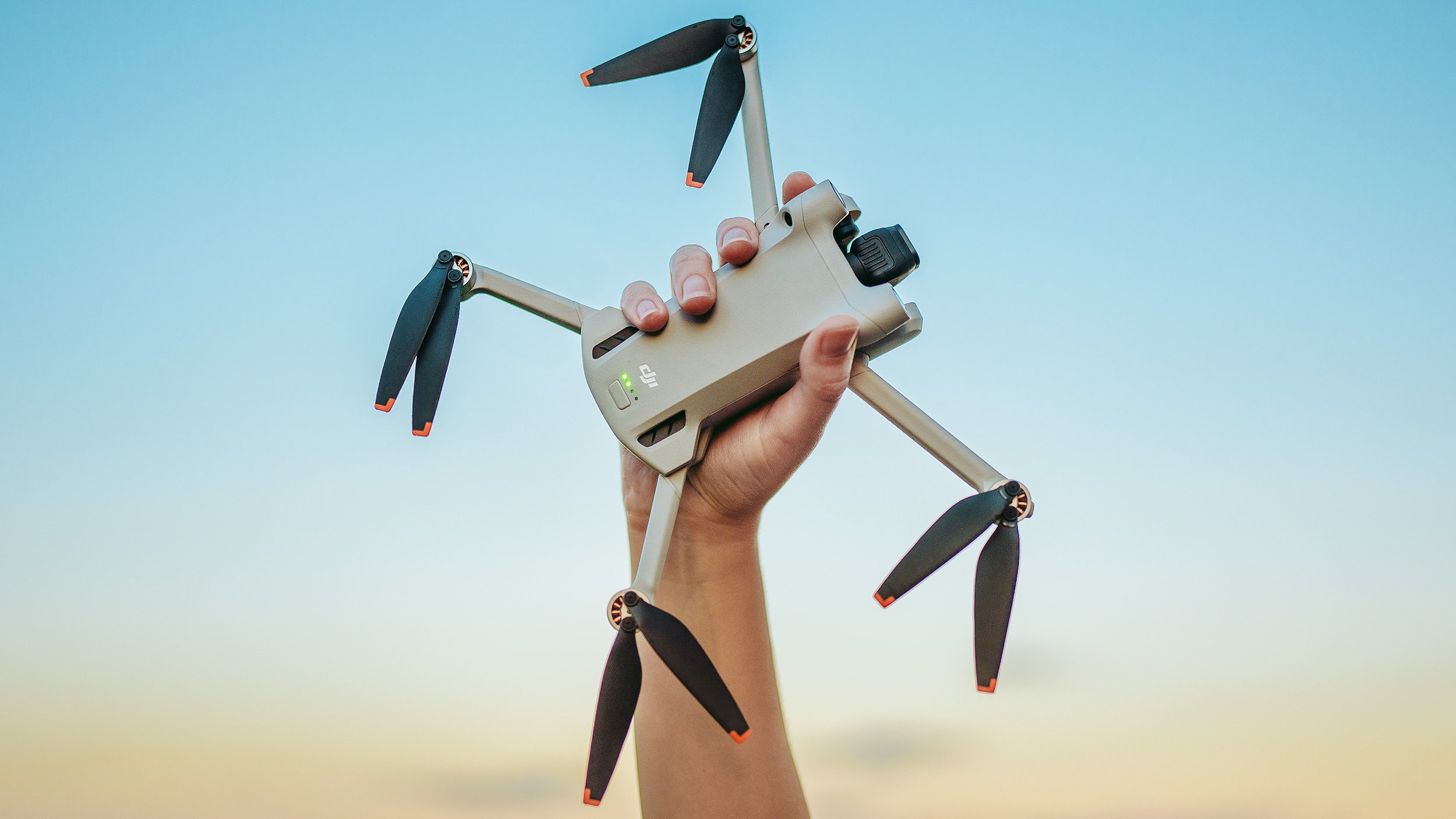
The Mini 3 Pro has a 1/1.3 inch sensor. It has a 48 megapixel camera with a 6.7mm f1.7 fixed aperture lens which is the full frame equivalent of 24mm. In video, we can record 1080p and 4K footage in 25, 30, 50 and 60p. This is an improvement from the Mini 2 where you could only film those frame rates at 2.7K. The Mini 3 Pro also features 120fps in 1080p.
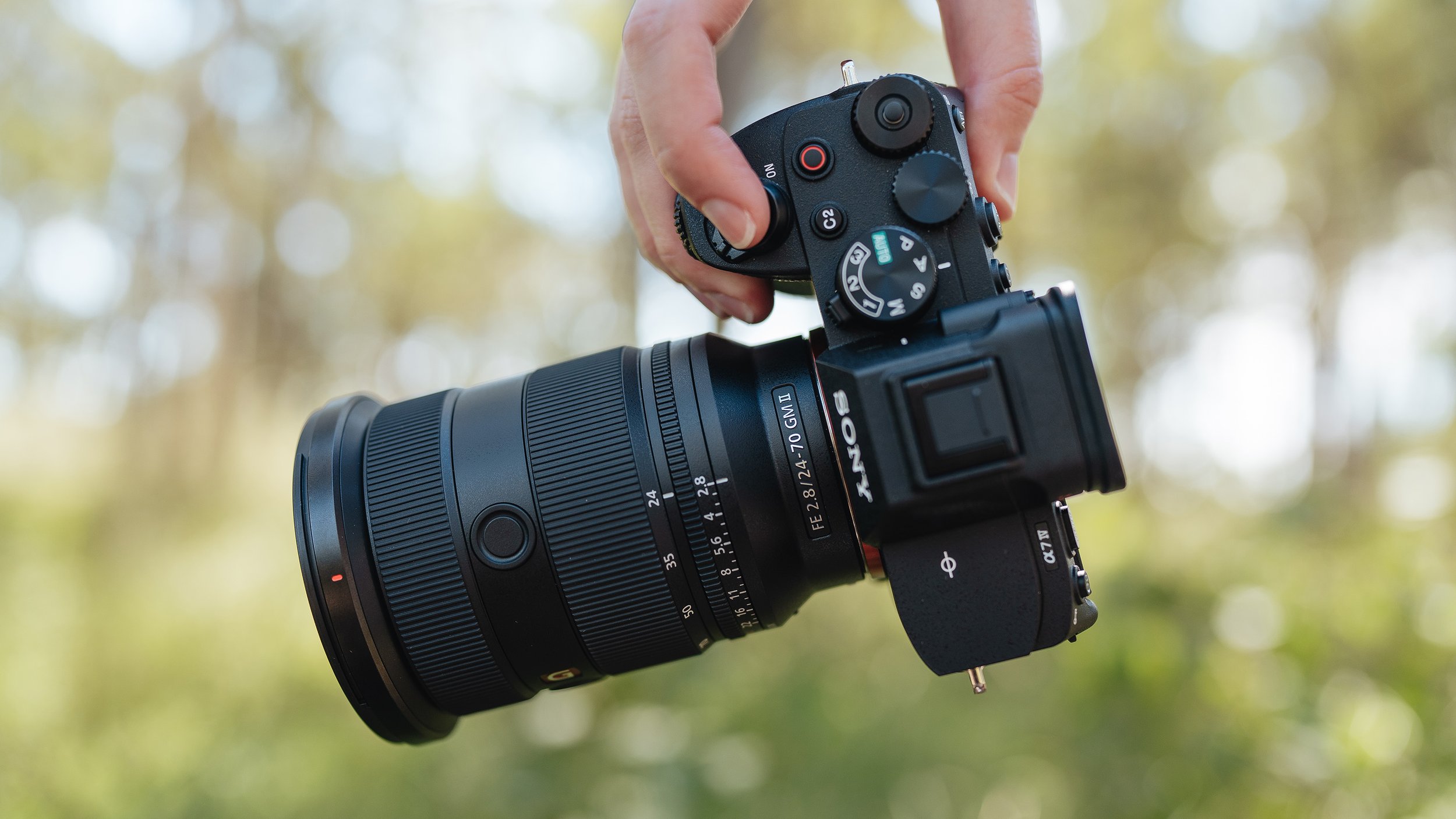
The Sony GM 24-70mm f2.8 MKII is a lightweight standard zoom lens for Sony E mount. This lens weighs an impressive 695 grams and uses four XD linear motors to achieve fast autofocus. I share unedited 1:1 view photo examples at various focal lengths throughout our shoot. I've also included comparison images to other Sony GM zoom lenses, prime lenses and third party lenses.
The Samyang AF 135mm f1.8 FE is an excellent telephoto prime lens for Sony cameras. I am using the Sony A7IV and A7III to test this Samyang 135mm at a portrait photoshoot. Watch my review video to see examples of autofocus performance and accuracy, image quality, bokeh, chromatic aberration and lens flare. I also include video quality examples on the A7sIII and A7IV.
The Samyang AF 50mm f1.4 FE II is a compact and lightweight prime lens for Sony mirrorless cameras. Watch my complete photo and video review video below to see how this camera performs out in the field at a portrait photoshoot.
The Tamron 28-75mm f2.8 G2 is a standard zoom lens for Sony E-Mount. During this portrait photography session, I am using the Tamron 28-75mm G2 on the Sony A7III. Watch my review video below to see the autofocus performance in stills mode, focus accuracy, image quality, sharpness and more.
The Samyang 24-70mm f2.8 is an E-mount zoom lens for Sony cameras. Watch the video below to see my complete review of how this lens performs for both photo and video. For photography, I am doing a portrait photoshoot on the Sony A7III. I share SOOC, unedited photos for you to look at in my review video! The photos in this blog post are my final edits.
The Tamron 35-150mm f2-2.8 Di III VXD is a full frame Sony E-mount zoom lens. In my real world review video, I share real-time examples of eye AF performance in stills mode on the Sony A7III. At a portrait photography session, I test the image quality and sharpness. Watch my behind the scenes video to see unedited, SOOC, 100% crops from the Tamron 35-150mm.
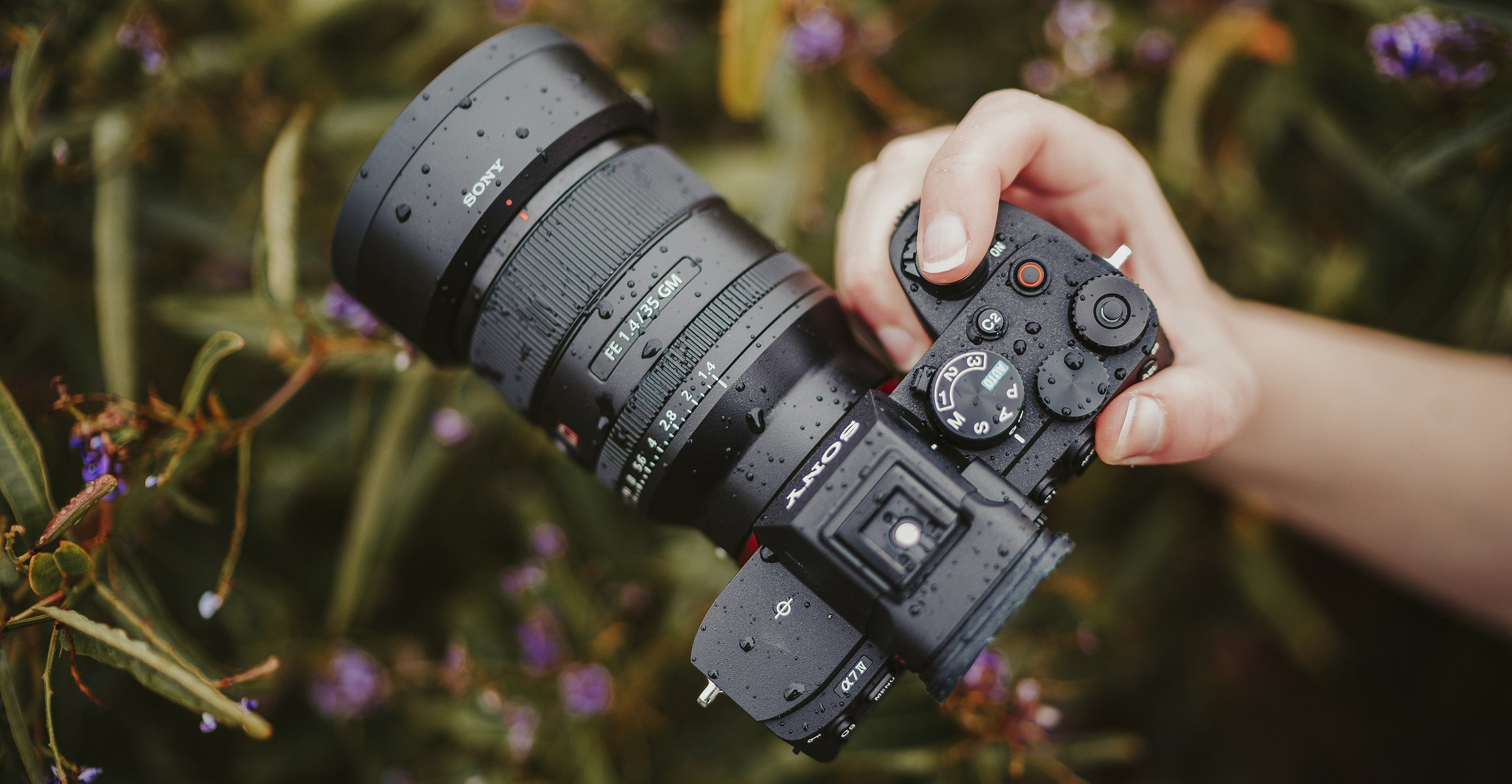
The Sony A7IV is FINALLY here!! We're going to be taking a look at this camera in my real world review to see how the A7IV performs out in the field. I have SO MUCH in this video today, we test out: human eye AF in photo and video, animal + bird eye AF in photo and video, we check out the A7IV body build to see what's new in the physical body, do portrait photography in the rain to see the image quality, colour rendition and sharpness. I use 3 different prime lenses for our portrait photoshoot: the GM 35mm f1.4, GM 85mm f1.4 and GM 135mm f1.8. I have some 4K video samples to share with you, I see if the A7IV overheats in video or photo mode, compare the IBIS, all the picture profiles, focus breathing compensation and see how the A7IV performs in low light for photo and video. I also answer the all important question - as a full time portrait and wedding photographer who uses the A7III, will I upgrade?
The Sony GM 70-200mm f2.8 mark 2 lens features four XD linear motors to achieve 30fps shooting speeds on the Sony A1. Watch my real world review of this new GM 70-200 mk2 lens to see real time human eye AF in stills on the Sony A7R4 as well as human eye AF in video on the Sony A7sIII. I test out the image quality at a portrait photography session in the studio where I share SOOC 100% crop sample photos.
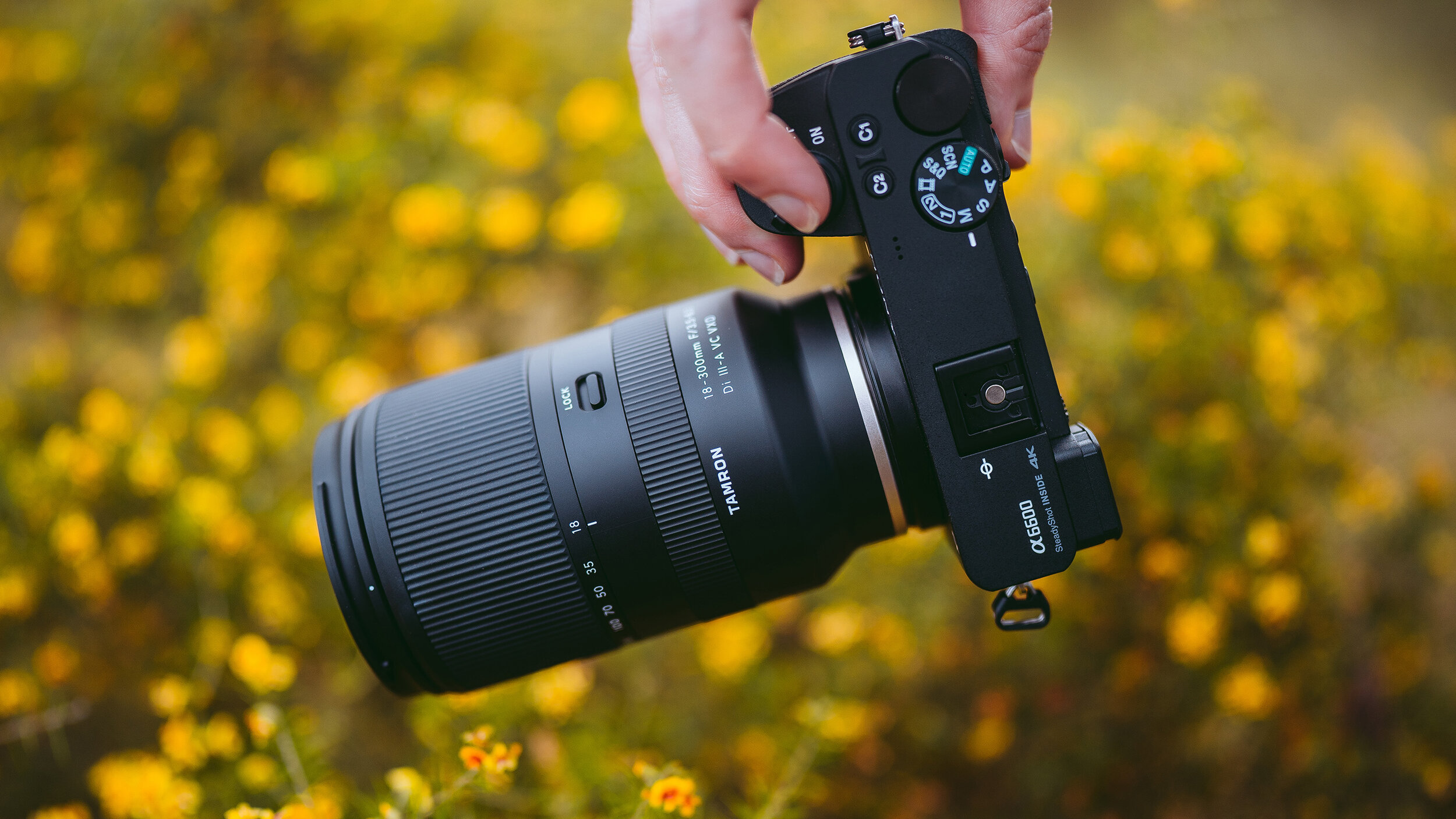
The Tamron 18-300mm f3.5-6.3 lens for Sony E is Tamron's latest all in one superzoom lens. This lens is the world's first interchangeable 16.6x zoom lens for APS-C mirrorless cameras. You have a wide angle full frame equivalent of 27mm, going all the way to an impressive telephoto full frame equivalent of 450mm. You have a huge range of focal lengths to use in one small and light weight lens at only 620 grams.
In this iPhone 13 Pro Max camera review, we are testing portrait photography, video and low light photos. During our portrait photoshoot with the iPhone 13 Pro, I use a continuous light in a bright studio to test the quality and sharpness of the standard camera, wide angle lens, zoom functions and portrait camera. I am taking photos in both RAW and straight out of the camera JPGs on the iPhone 13 Pro Max to compare the quality of each file.
The Canon EOS R6 is a full frame mirrorless camera body featuring 20MP files and dual card slots. I am using it for portrait photography with the RF 35mm f1.8. This 35mm is a budget friendly RF mount lens for Canon. It is a small and lightweight lens and features a Control Ring.
These are 8 budget prime lenses for Sony FE mount under $650 that I recommend. See real world examples of each of these lenses at a portrait photoshoot. I am using the Sony A7C and Sony A7III to test these budget-friendly lenses.
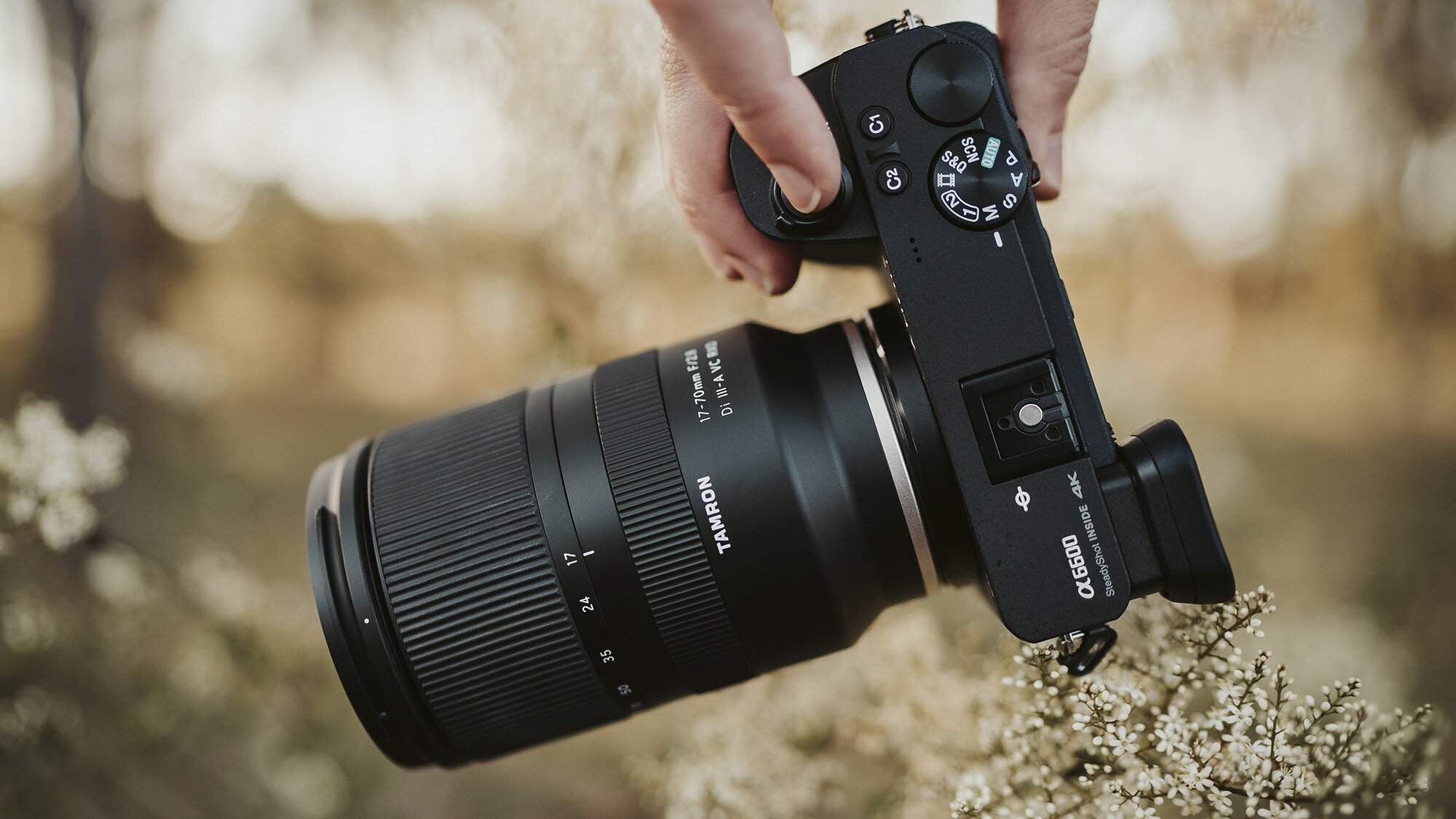
The Tamron 17-70mm f2.8 Di III-A VC RXD is a zoom lens for Sony APS-C, E-mount mirrorless cameras. This lens is roughly the equivalent to a 24-105mm f4 lens on a full-frame camera. In this portrait photoshoot with the Tamron 17-70mm f2.8, I am using this lens on Sony's APS-C A6600.
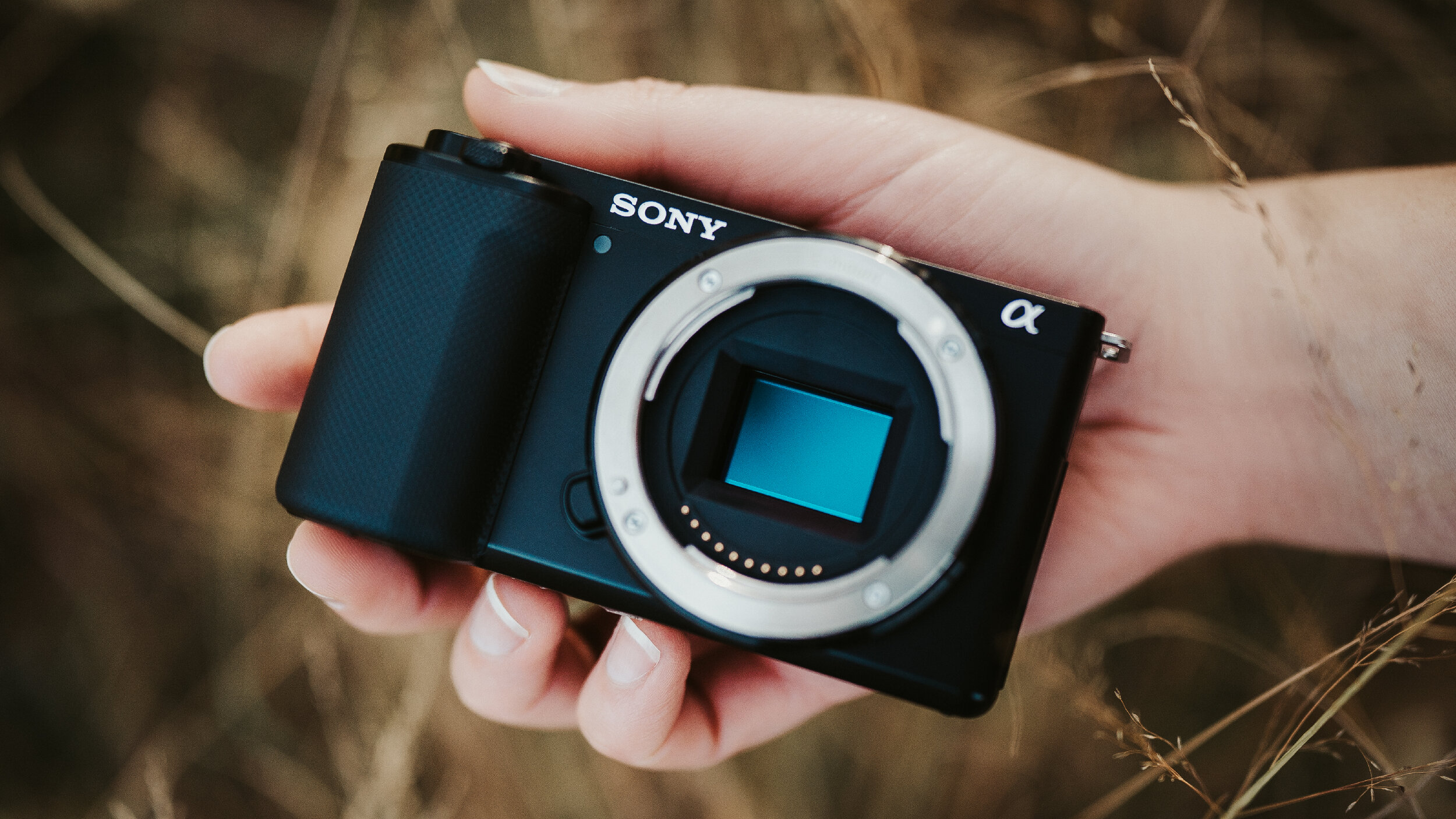
The Sony ZV-E10 is an APSC 24.2 megapixel mirrorless camera aimed at vloggers and content creators with an interchangeable lens mount. The ZV-E10 features the same Bokeh Switch and Product Showcase Mode as the ZV-1. You can find a high resolution JPG downloadable gallery of sample photos I took on the ZV-E10 at the bottom of this blog post.
The Sony G 24-50mm f2.8 is a small and lightweight standard zoom lens for Sony E mount. It weighs 440 grams and paired with it’s focal range, makes this is a great all-rounder lens for photography and videography.