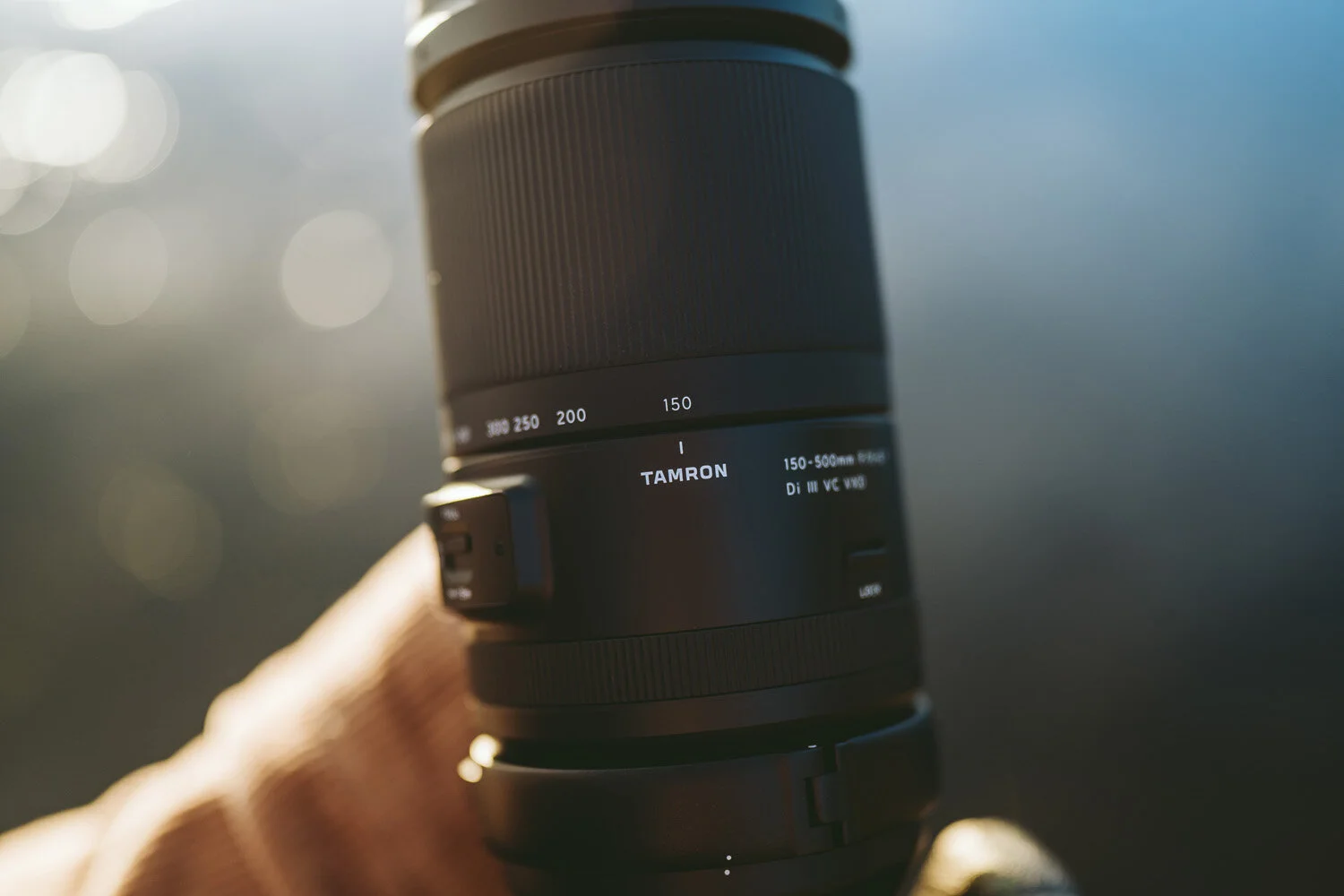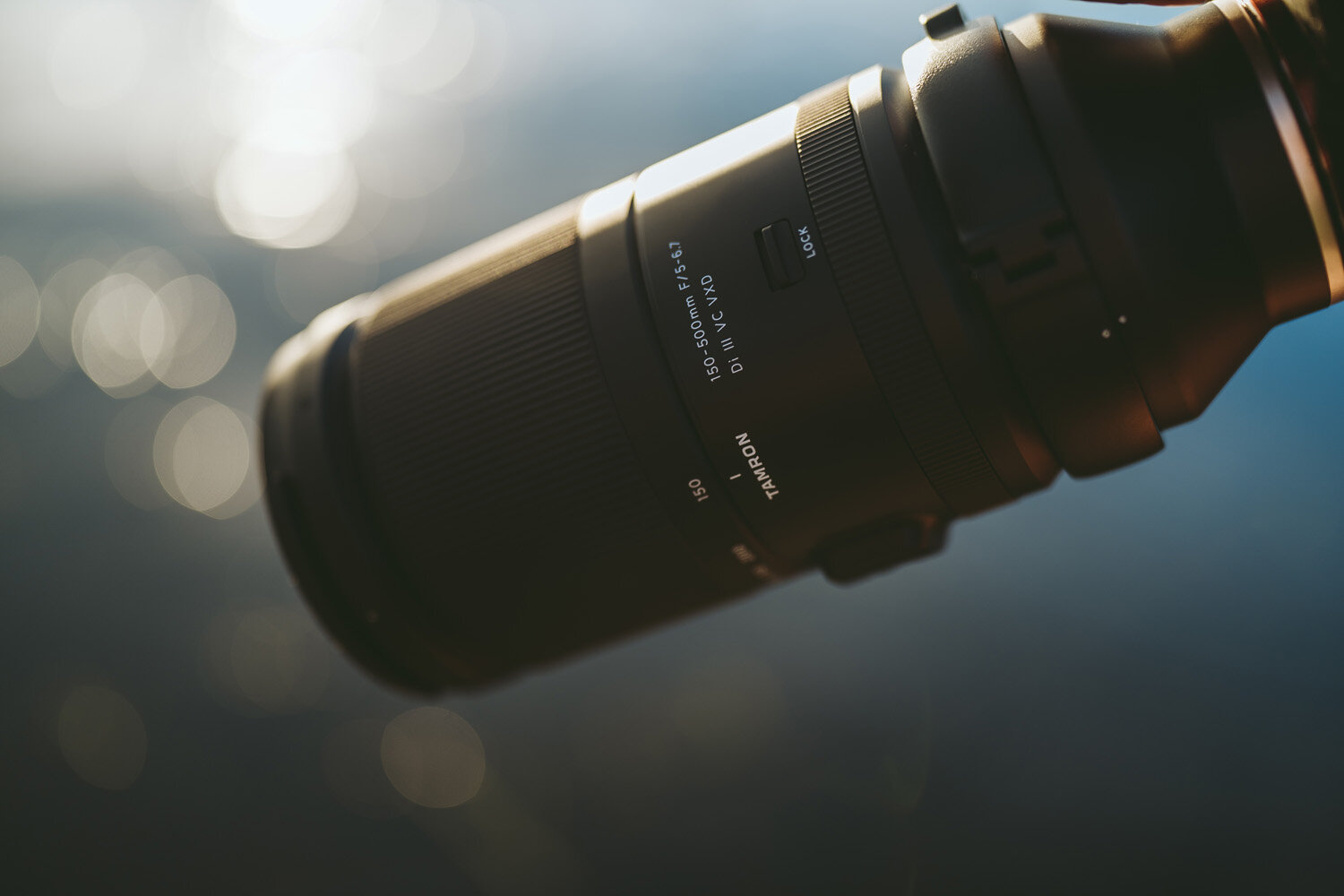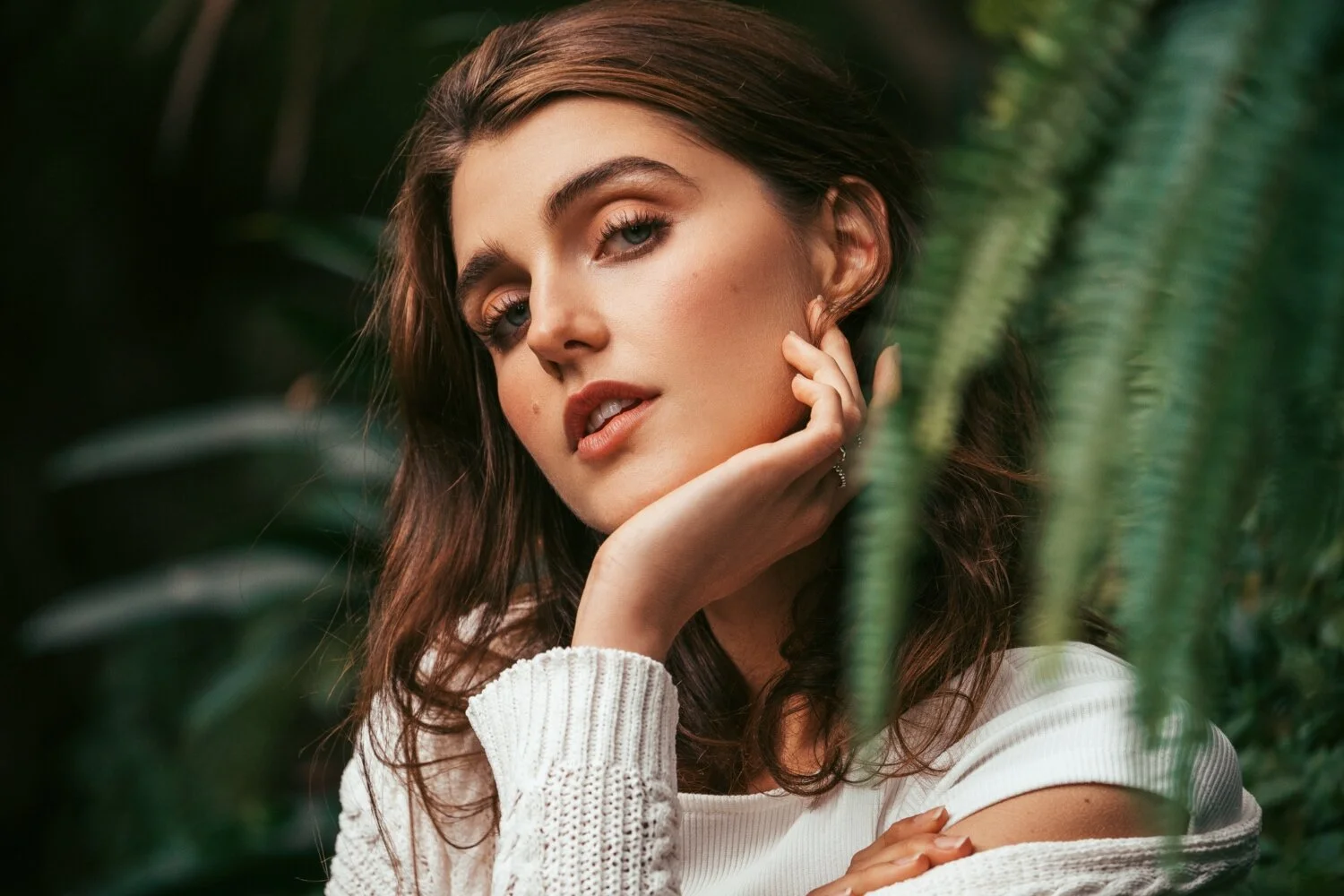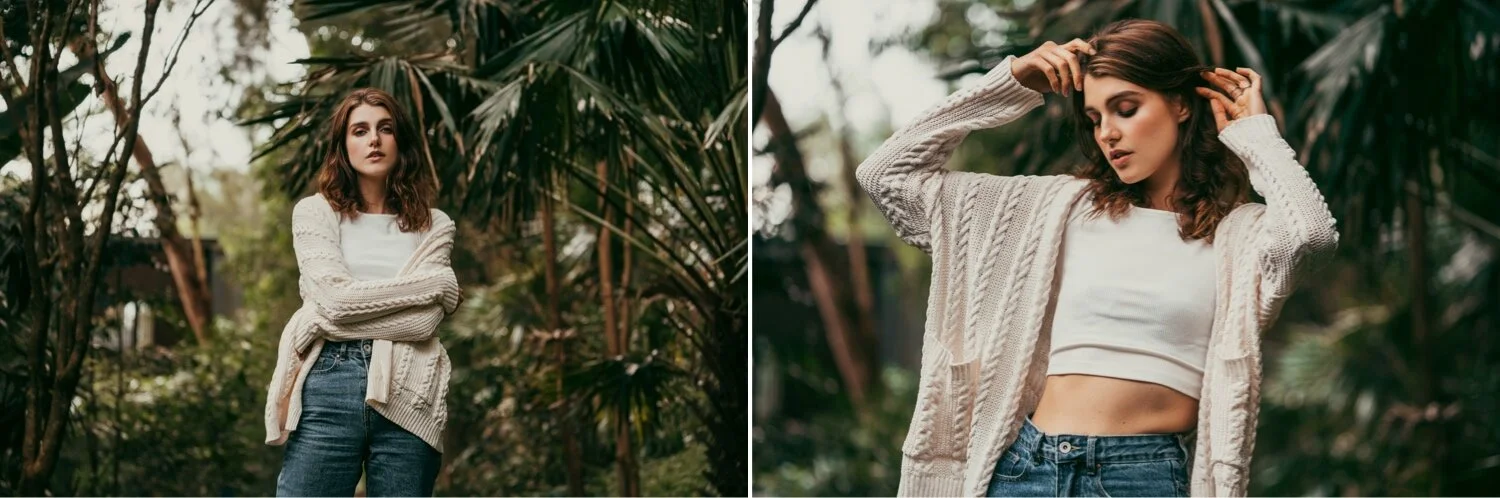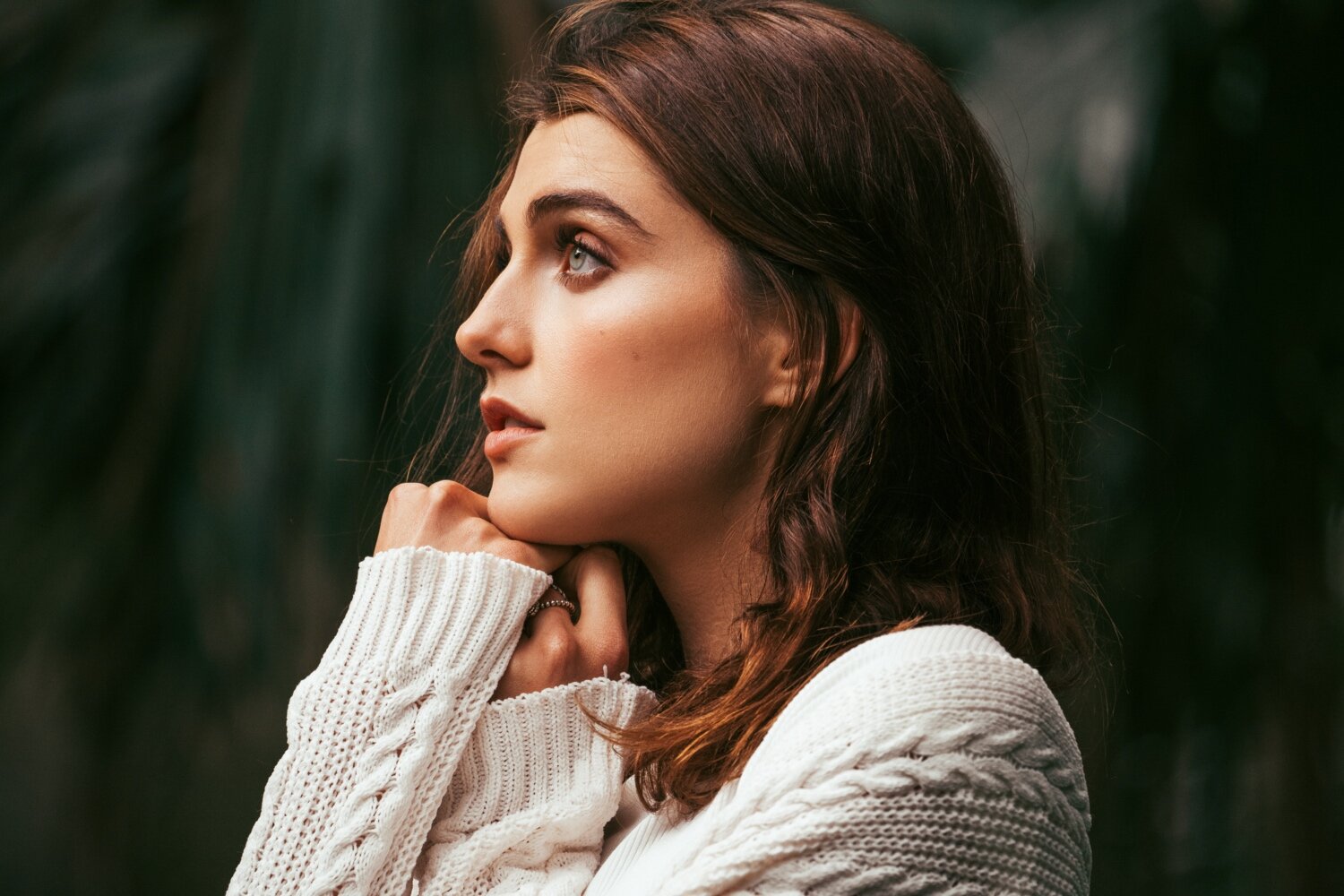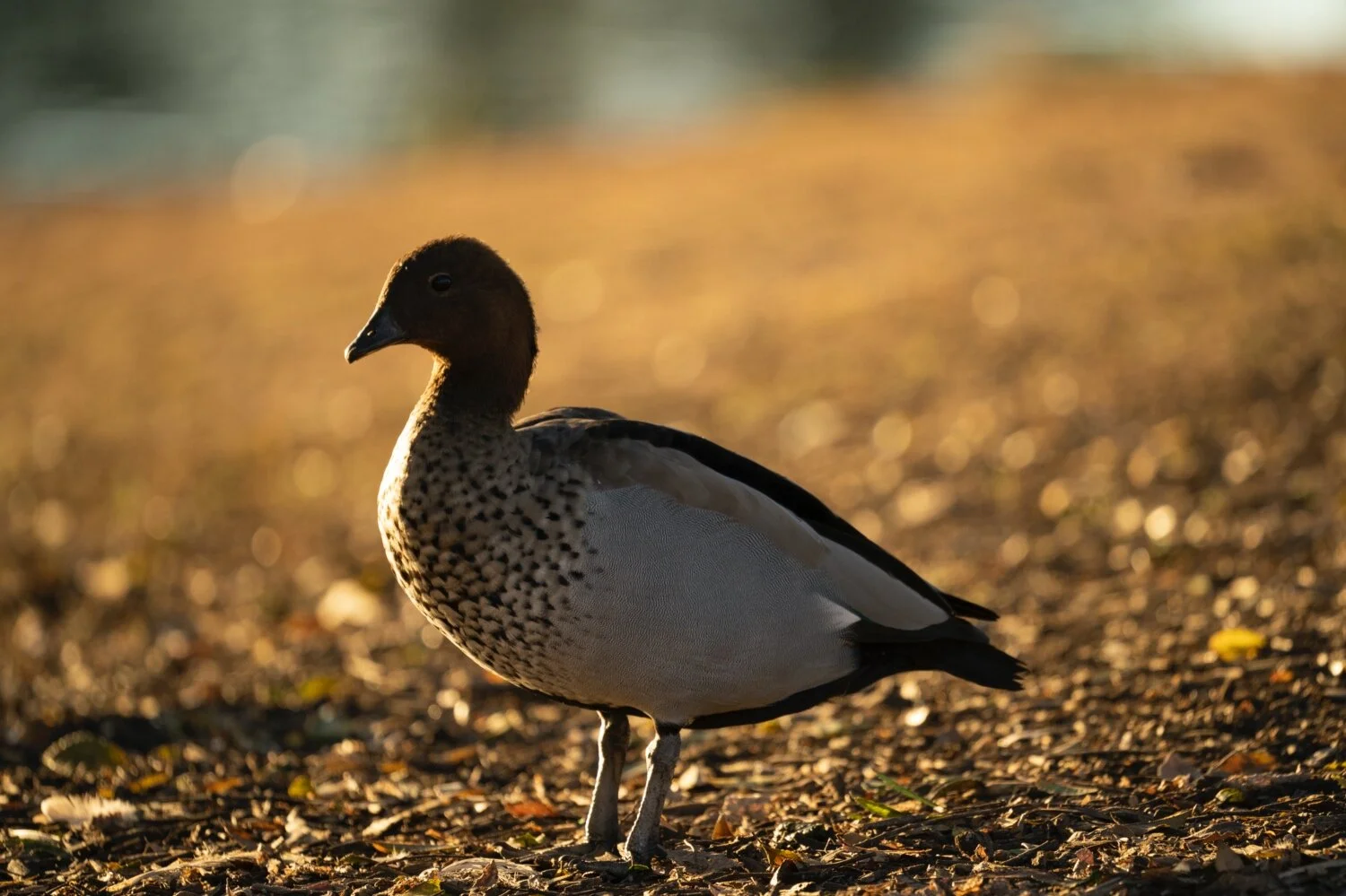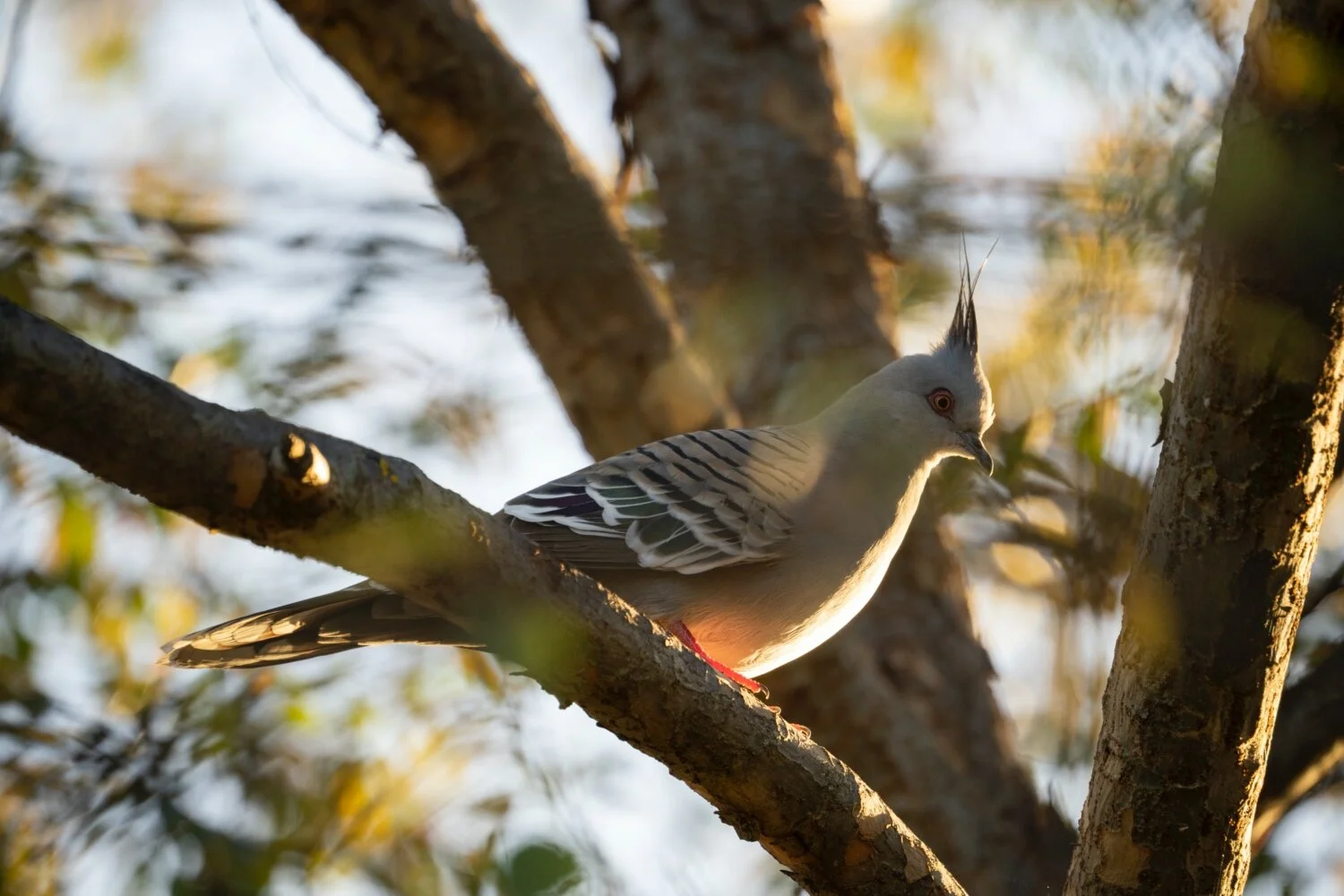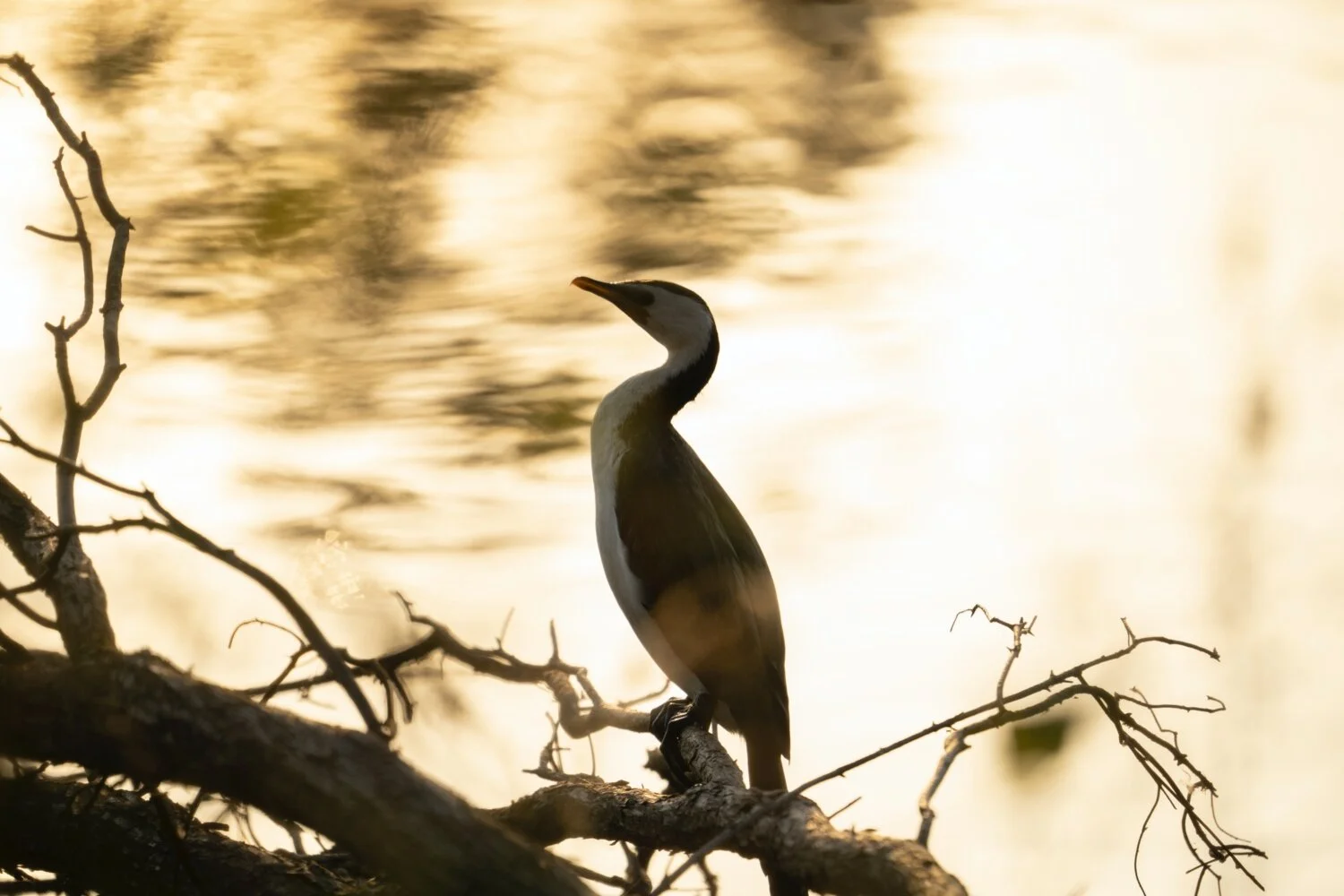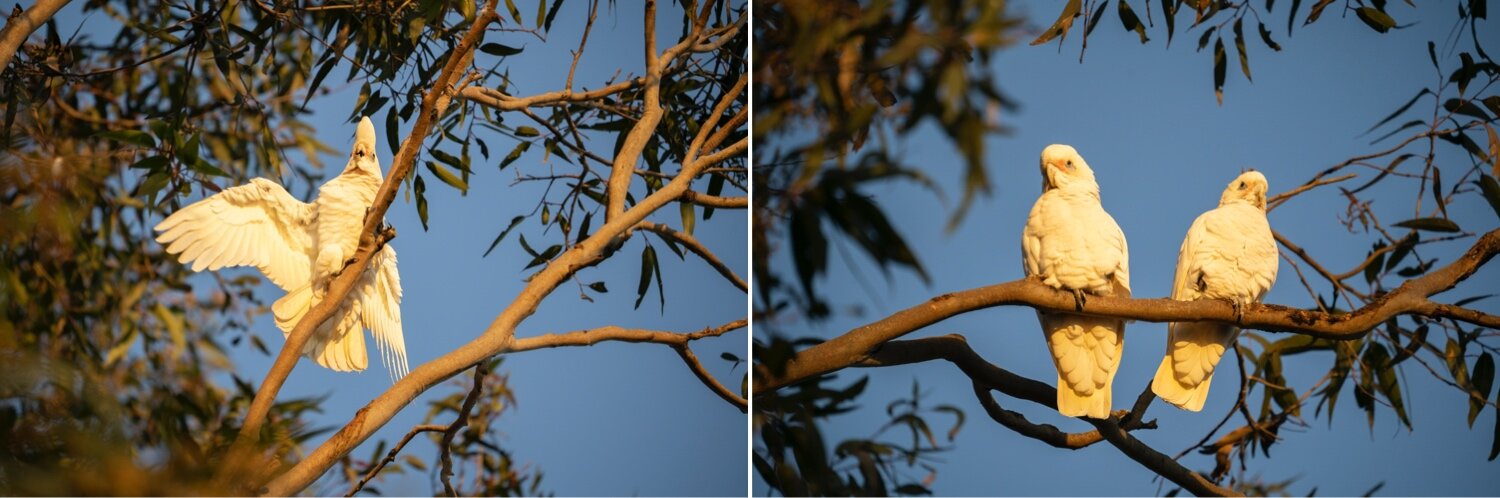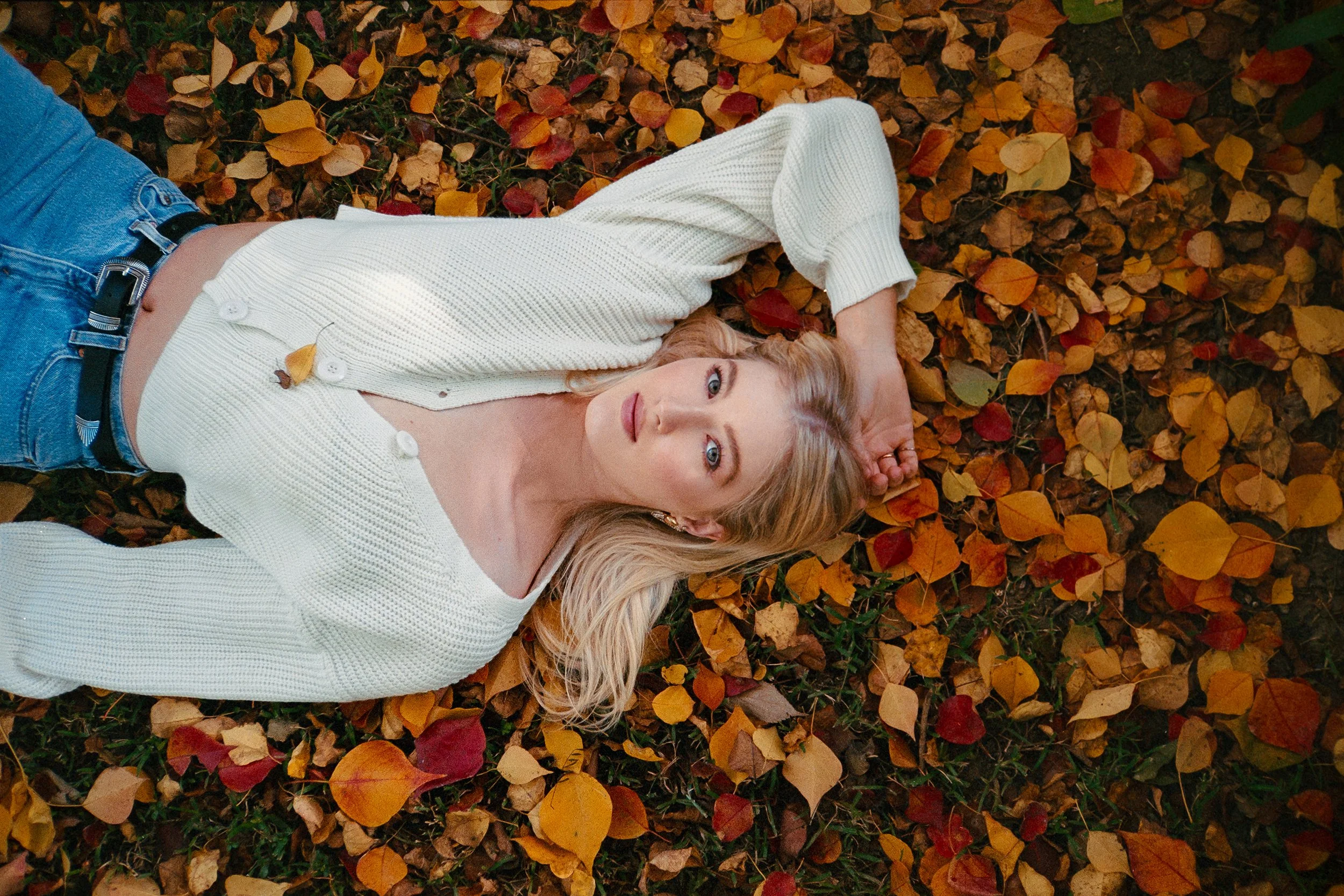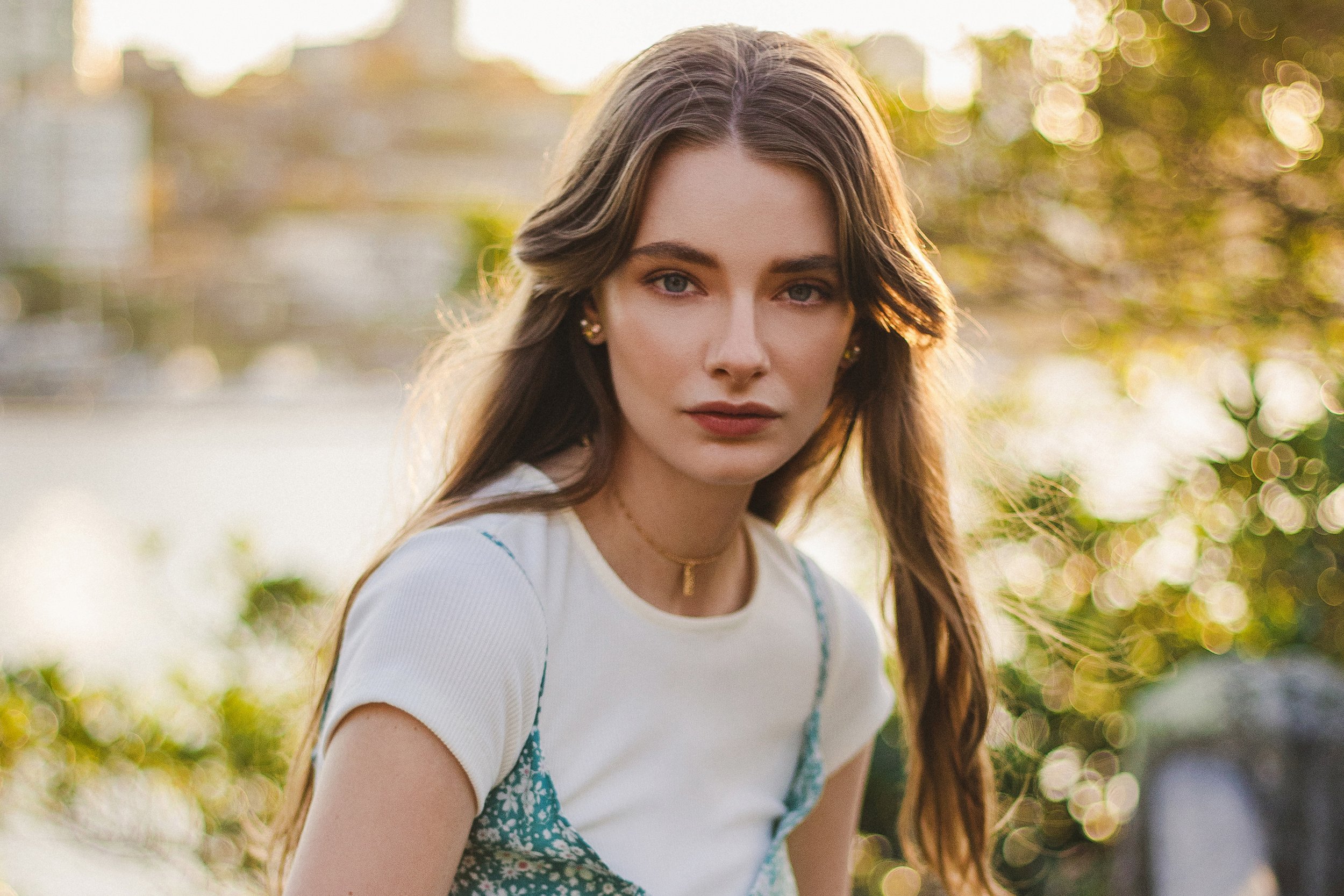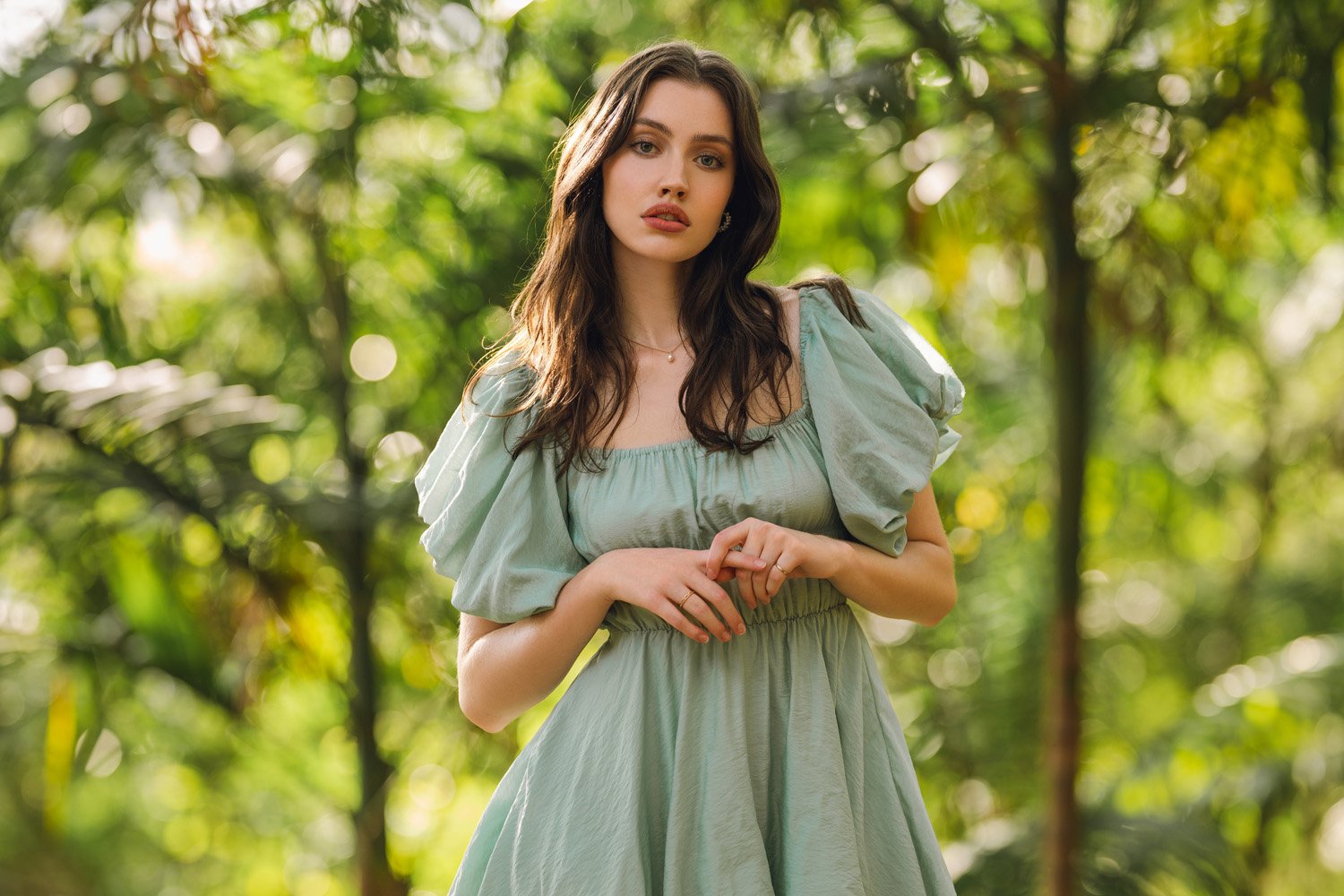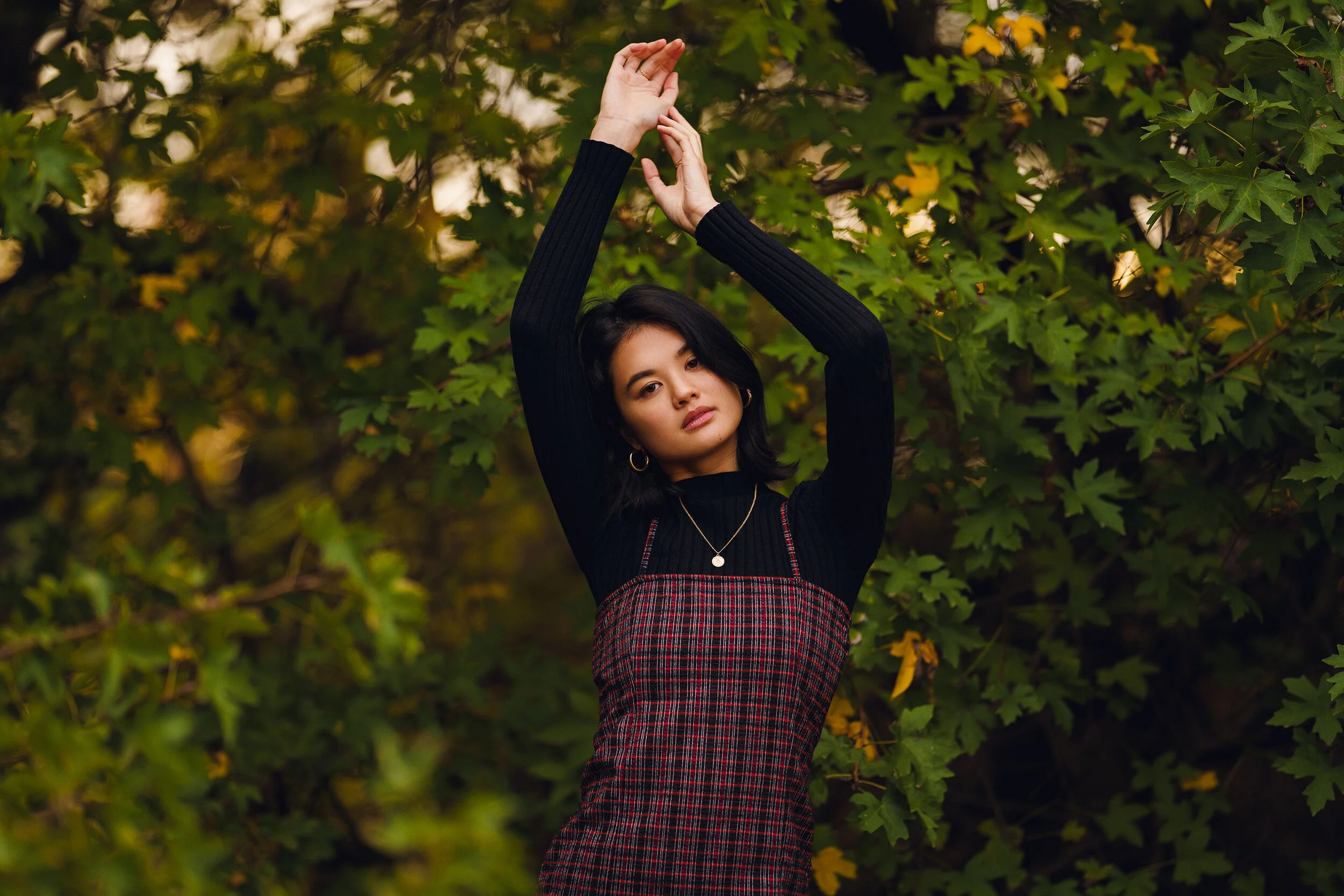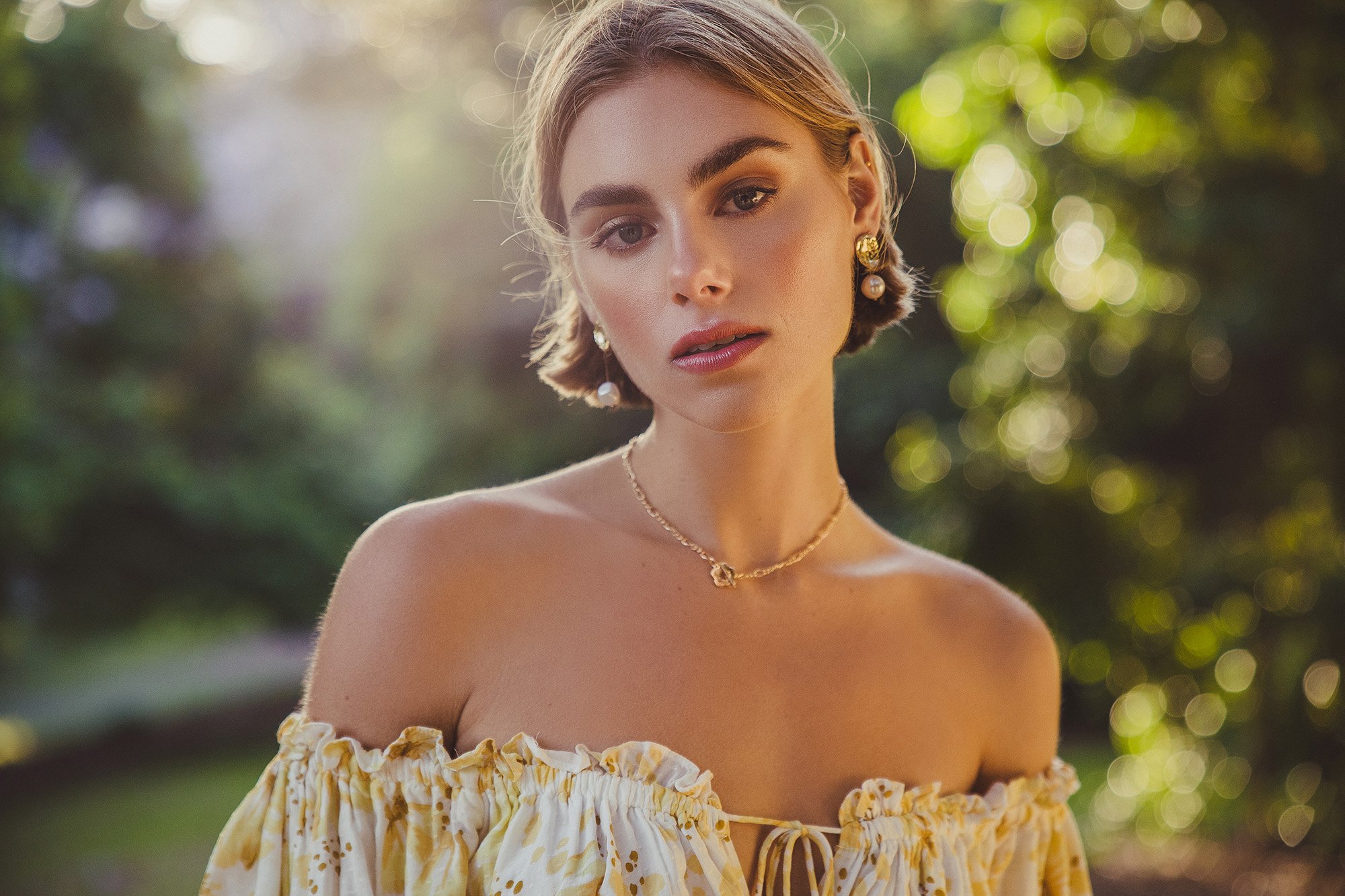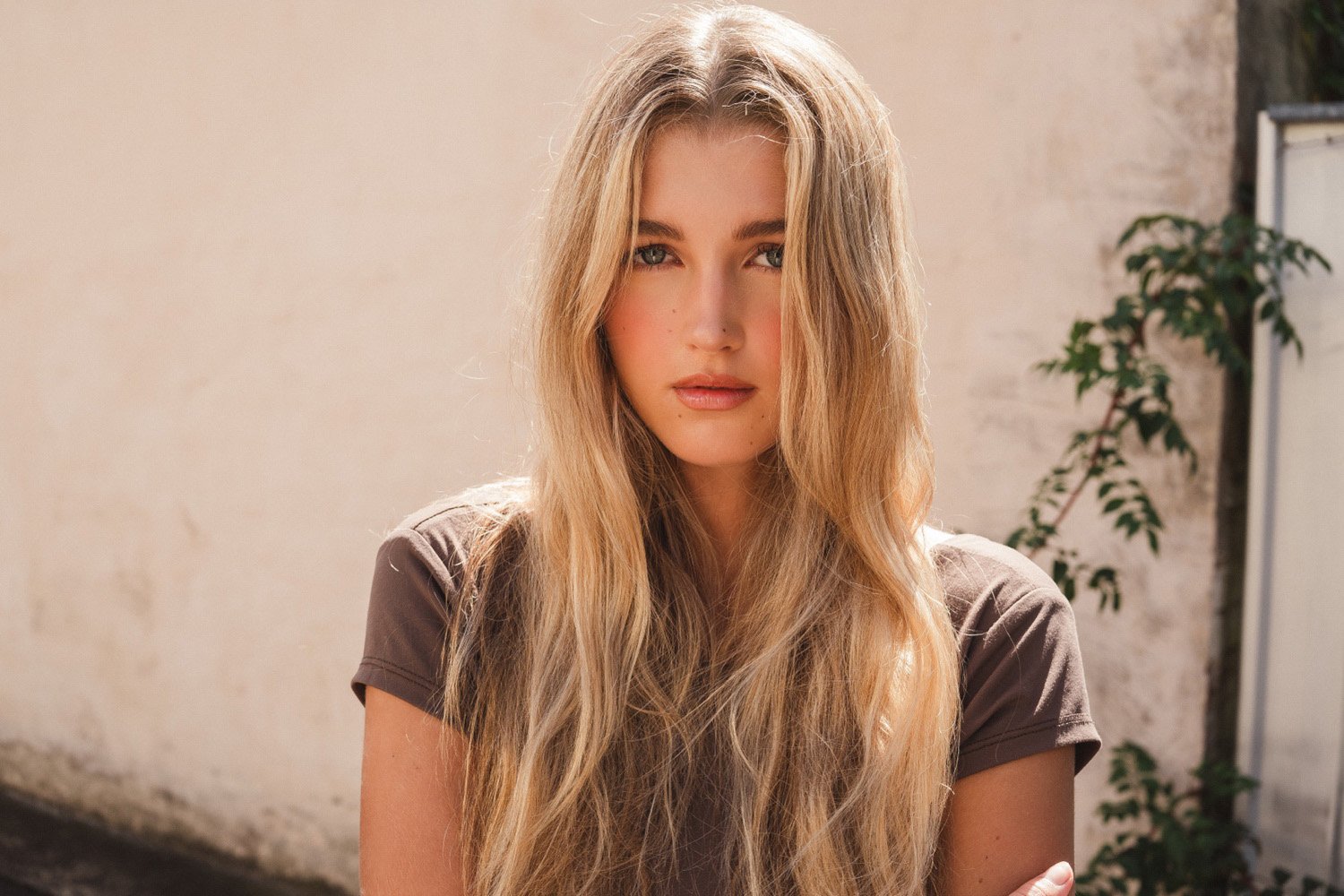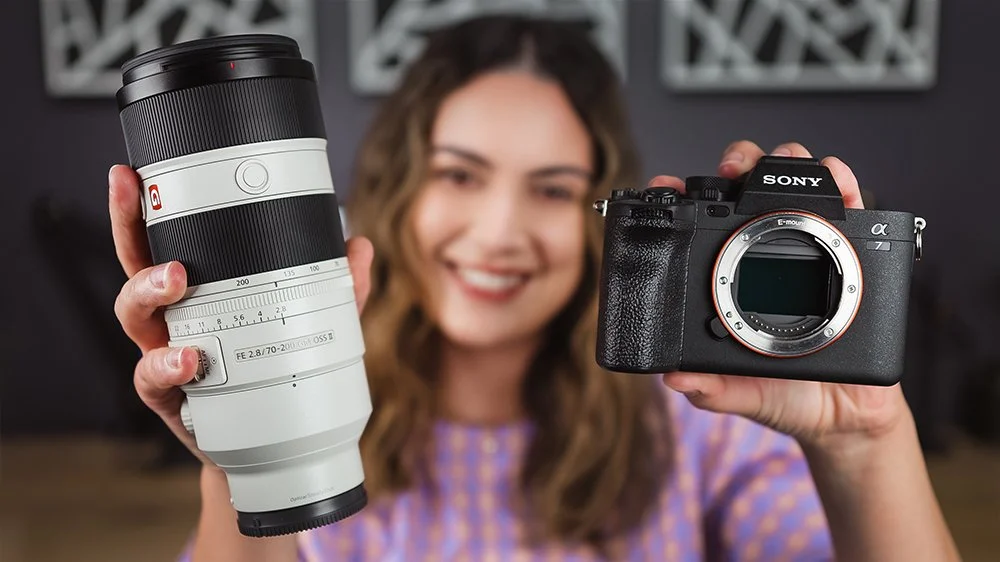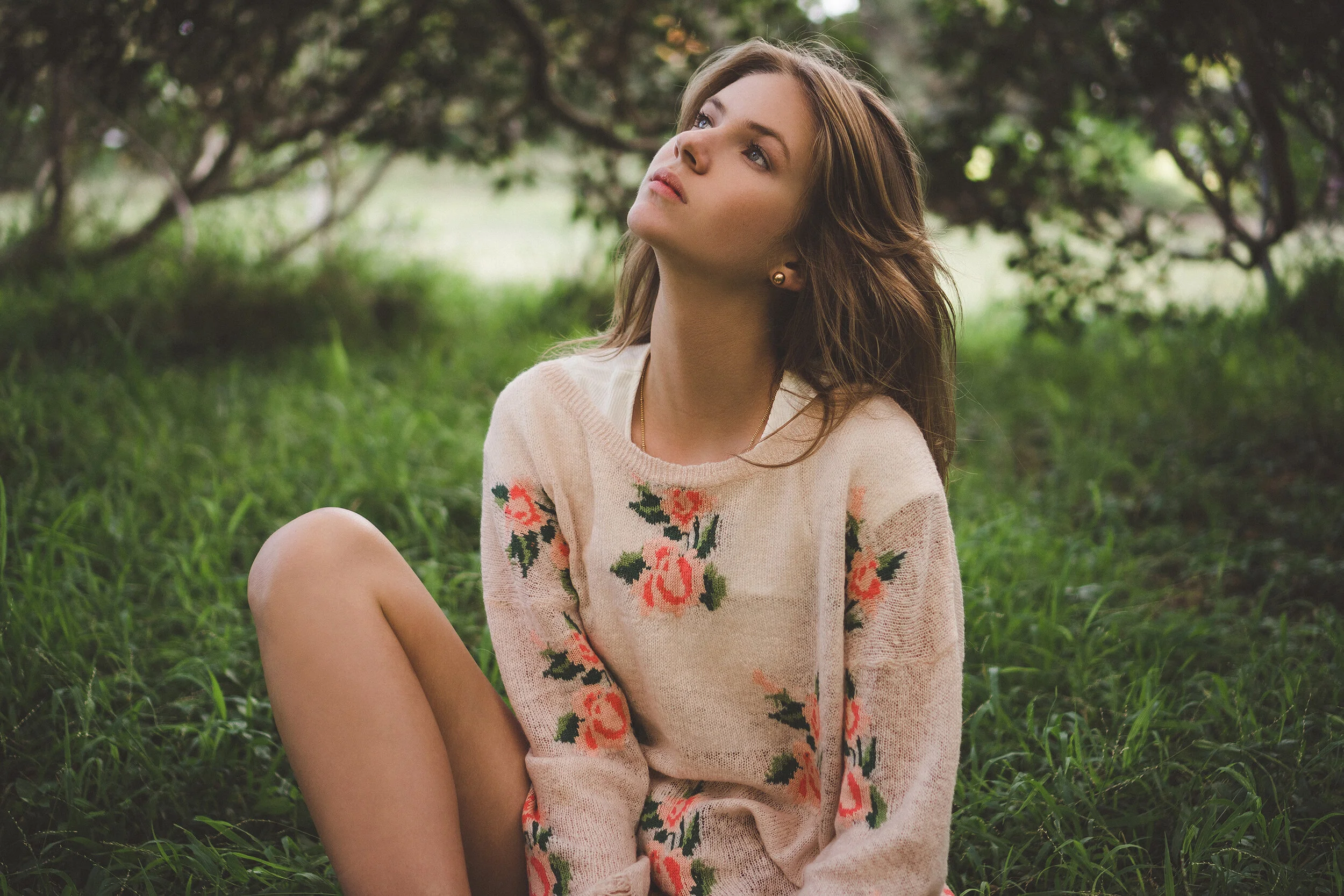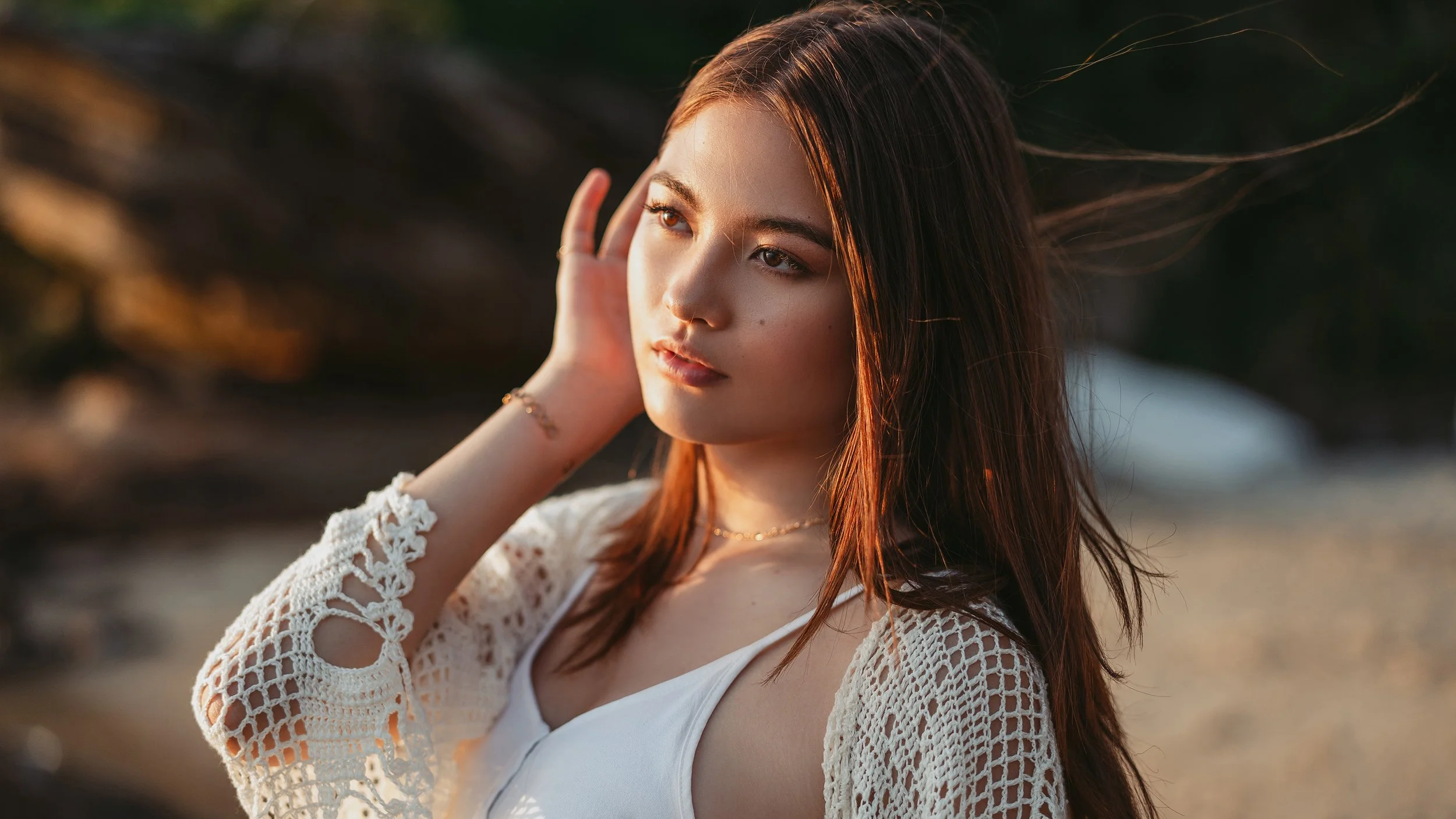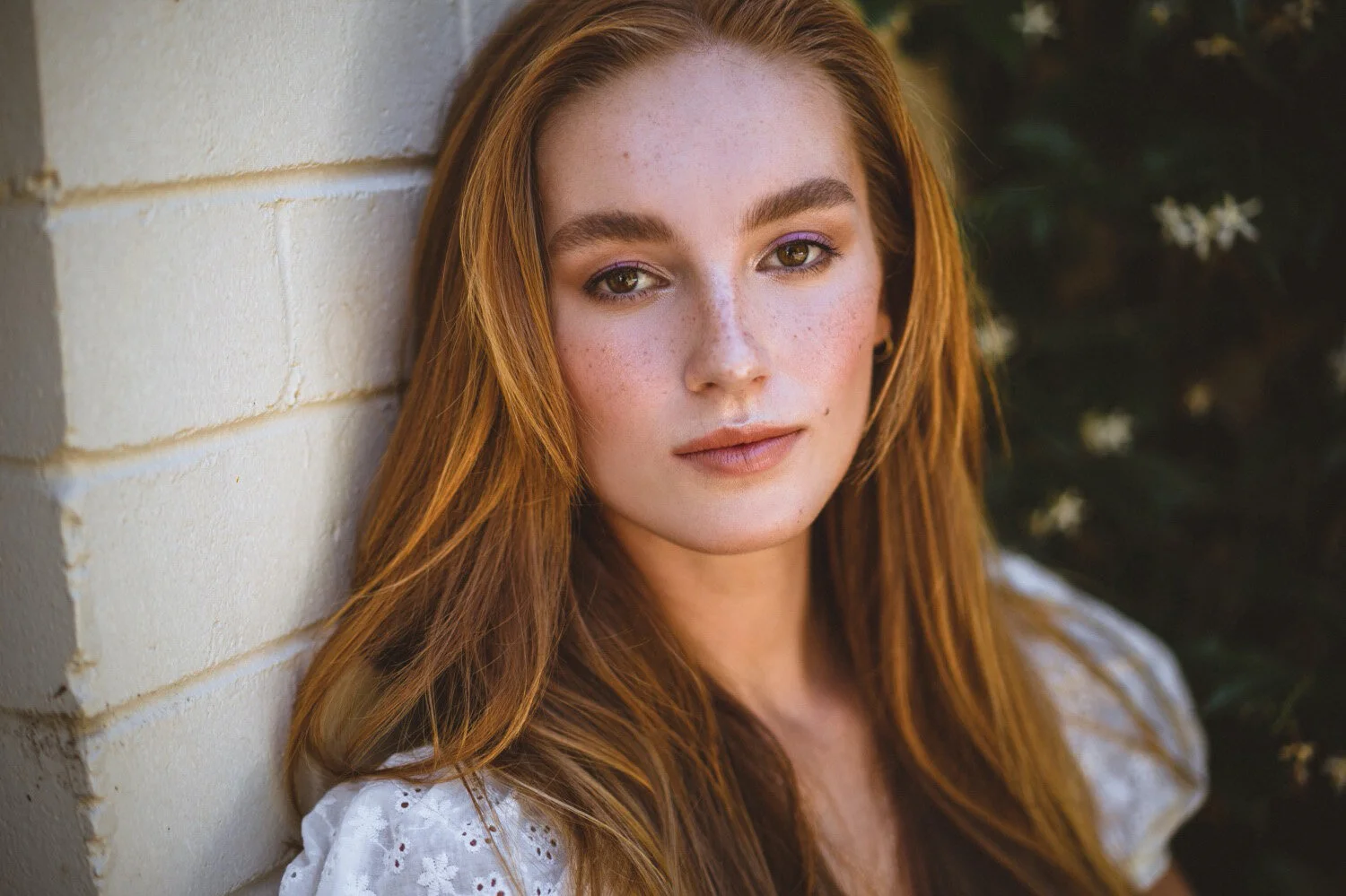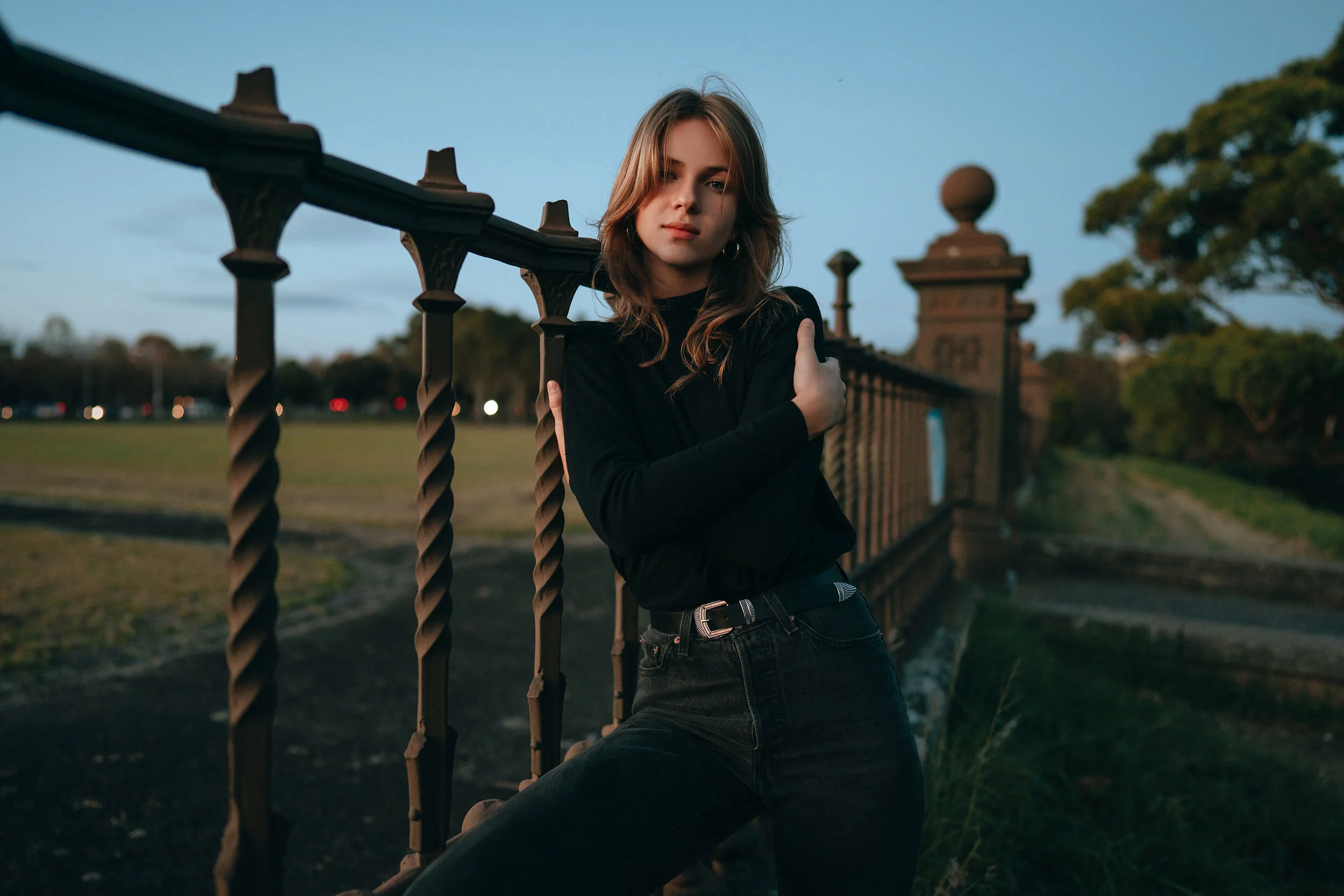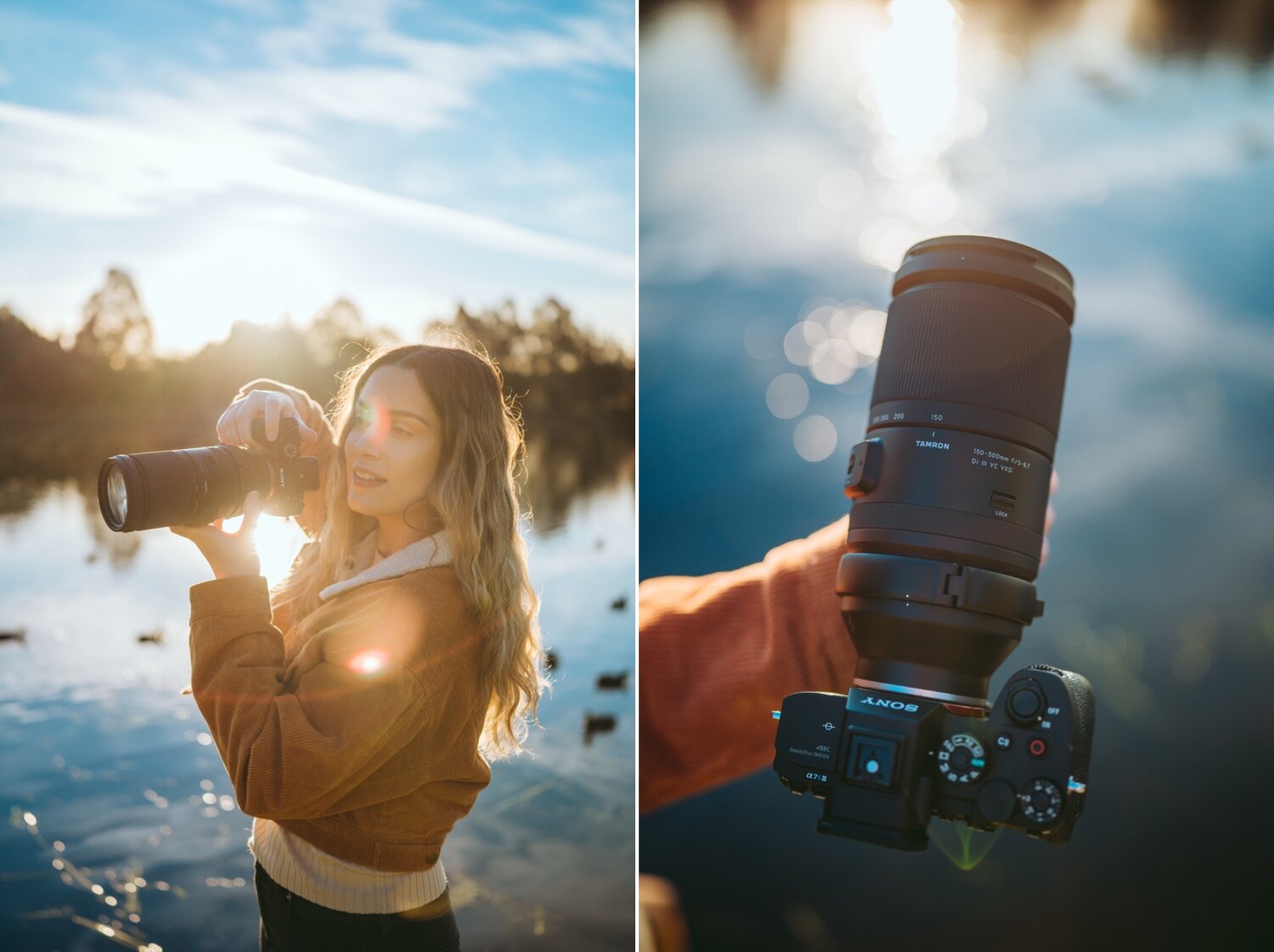
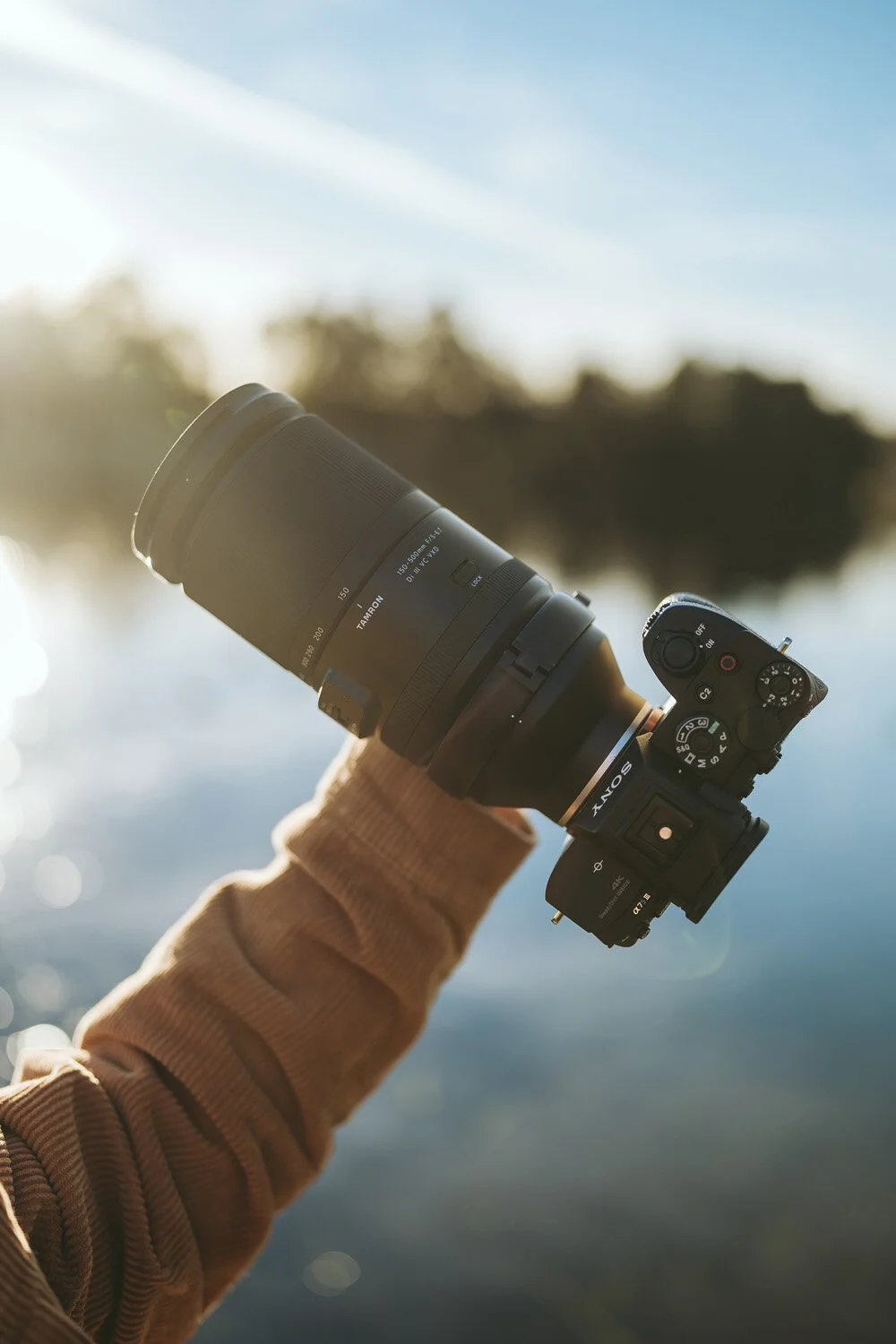
The Tamron 150-500mm F5-6.7 Di III VC VXD is an ultra telephoto zoom lens for Sony FE mount, similar and a little bit cheaper than the Sony FE 200-600mm F5.6-6.3 G OSS. While we will be doing bird photography and testing out bird videography - I thought it would be fun to use this Tamron 150-500 for portrait photography. At the end of this blog post, you can find a link to download a high res JPG sample gallery of the Tamron 150-500mm f5-6.7.
As you might know, I am a wide prime lens shooter. My favourite focal length is the 35mm, my go to for close up portraits is an 85mm and if I need extra reach I use a 135mm prime. The Tamron 150-500mm f5-6.7 was a very interesting lens for me to use since its widest point is typically the longest I'll ever shoot.
Watch the behind the scenes video below to see what it was like taking portraits at 500mm. We took a 500mm full body shot to see how far away you need to be from your subject. Spoiler alert - both the model and I had to run away from each other to be able to frame her in the shot! I share a photo at each main focal length of this lens while standing in the same spot. I share 150mm, 200mm, 300mm, 400mm and 500mm side by side so you can see the full range of this Tamron telephoto.
One downside to this lens for portrait photography is its aperture. At f5-6.7, I had to use high ISOs to expose my portraits correctly. Depending on the camera body you are using, this can result in noisy photos. I also experienced some motion blur in my photos when I stopped my shutter speed down to 1/160. When the camera is handheld and the subject is moving, this will result in motion blur. You can see an example of this in the 500mm full body photos and also when the dog photo-bombed our shot in the video! Despite this Tamron lens' high apertures, I was still able to get a significant amount of background to foreground separation.
This lens is incredibly sharp at every single focal length I tried throughout our portrait photoshoot and bird photography. The Tamron 150-500mm f5-6.7 uses the same newly developed VXD linear motors that Tamron used in last years release of the Tamron 70-180mm f2.8 Di III VXD.
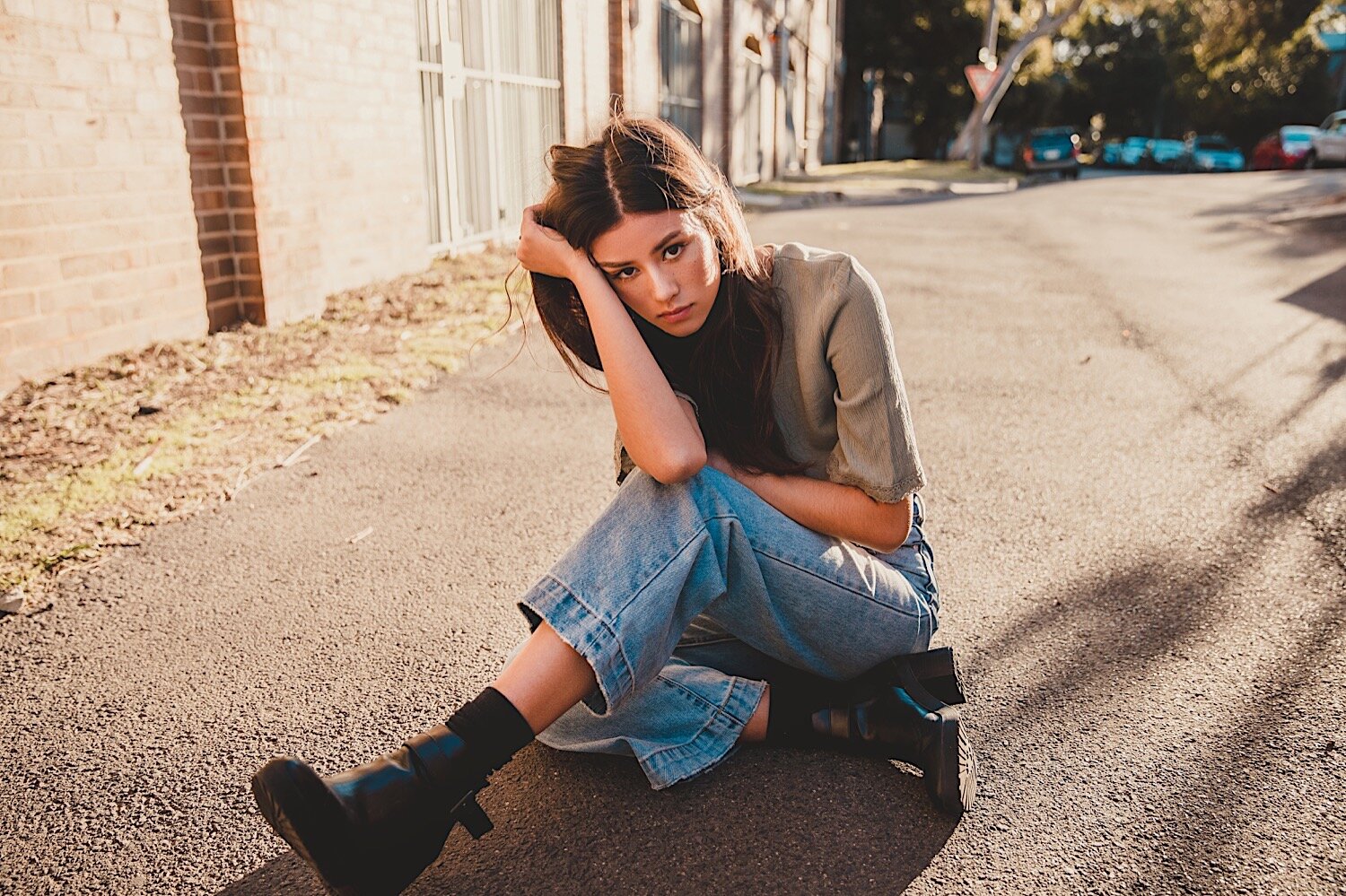
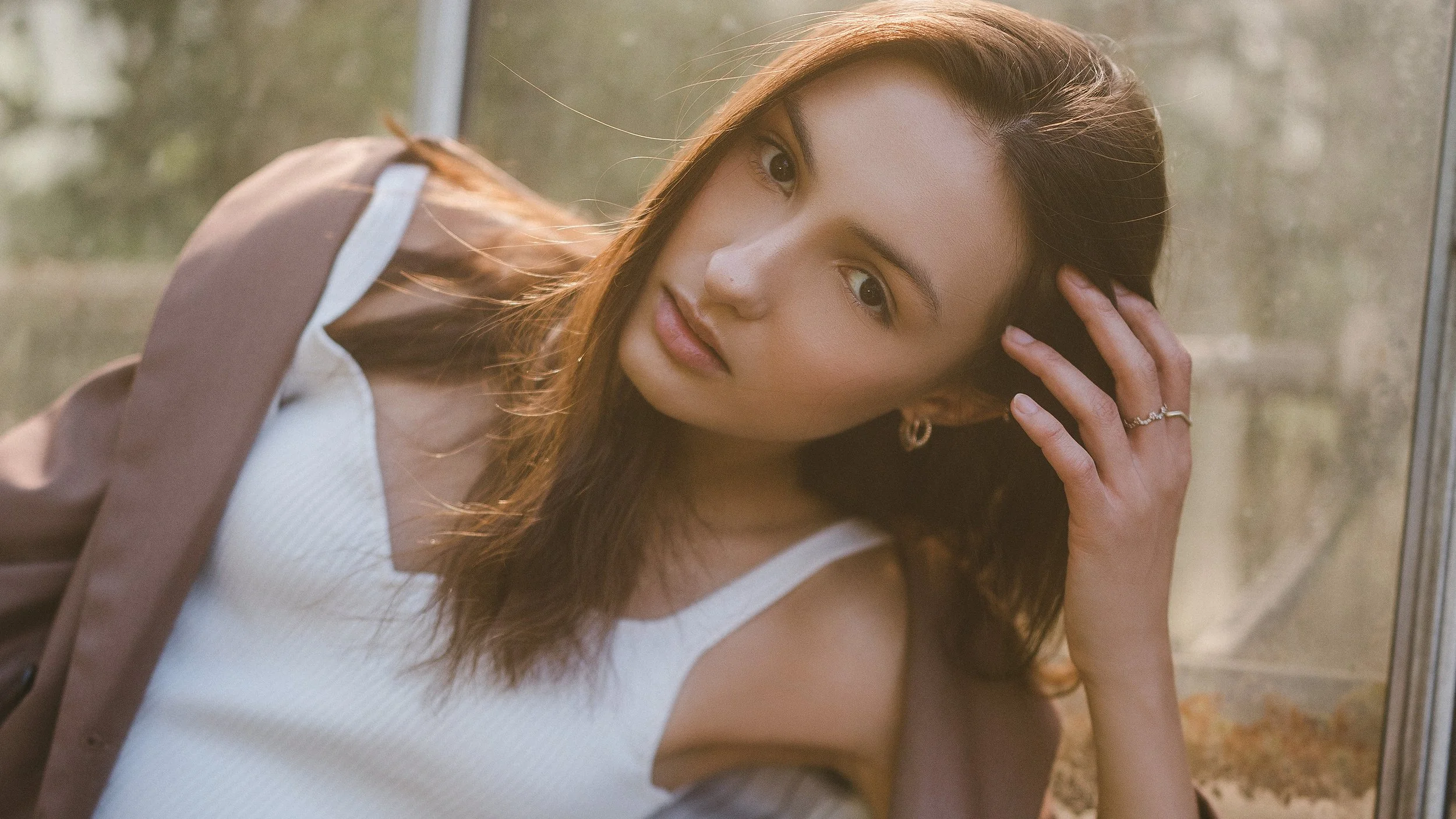
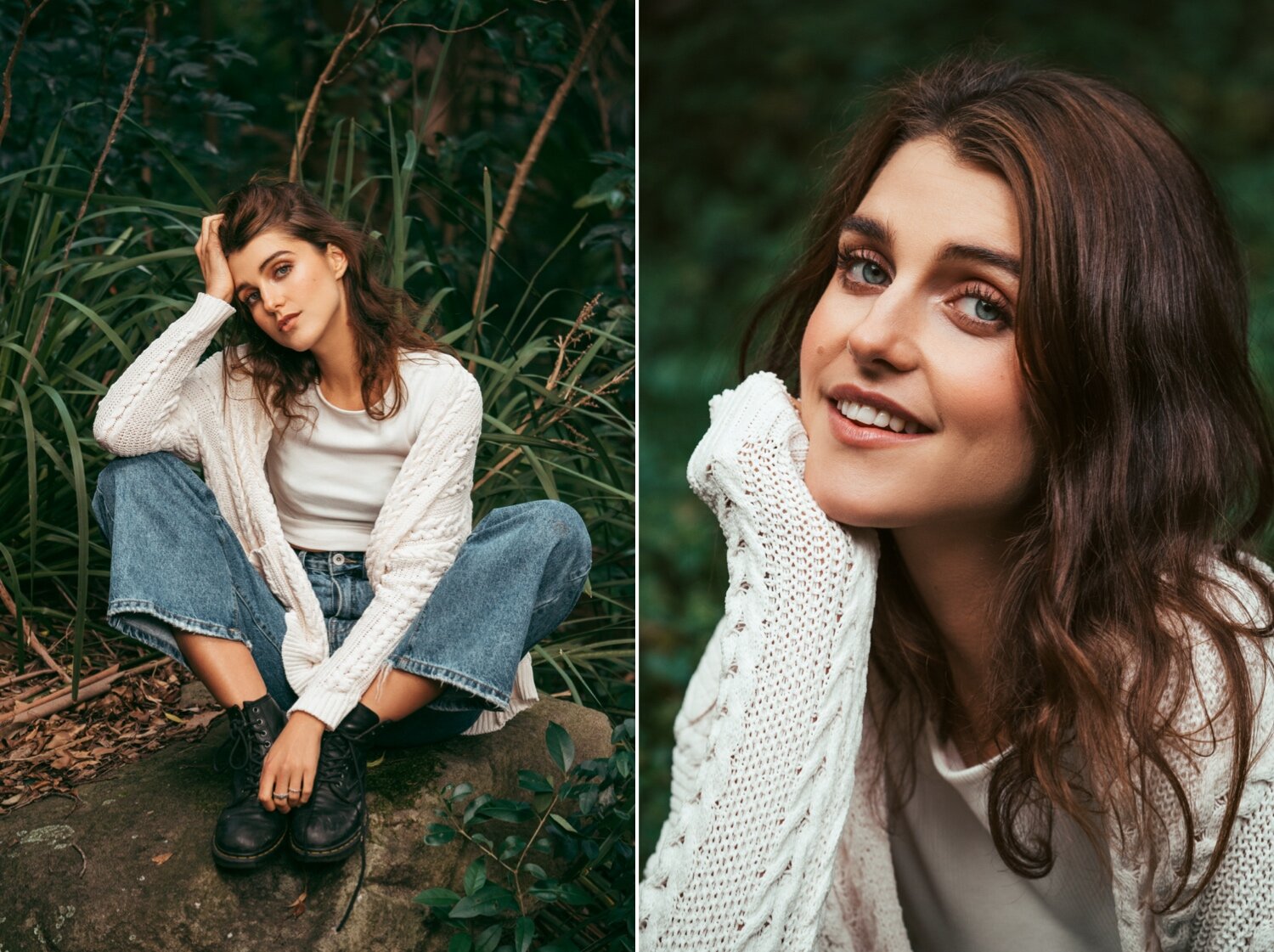
The following photos are my portrait photography on the Tamron 150-500mm F5-6.7 Di III VC VXD. All these photos are edited with my Palm Valley Lightroom Preset Pack.
model adelaide
makeup lidija j
video dan @ i make films
This 150-500mm lens features 4 seperate switches for a few crucial controls.
MF/AF switch
Focus limiter switch. This allows you to lock off between full coverage, 3 meters to infinity and 15 meters to infinity
Vibration Compensation on/off switch
Vibration Compensation mode selector switch
Here you can switch between 3 stabilisation modes:
Mode 1 is Standard VC. I found this to be good for photography and still video shots
Mode 2 is for for panning shots. I found this to work the best for video with a moving subject
Mode 3 is for framing priority. This was my preferred VC mode for photography.
The only feature missing on this lens is a customisable button like you see on GM glass. This lens features a standard zoom lock switch which allows you to lock the zoom mechanism at 150mm from extending, perfect for packing away. It also has a zoom lock mechanism on the zoom ring which allows you to lock the zoom at any focal length while in use with a simple push/pull action.
Watch the behind the scenes review video above to see our video footage of the birds. I've included 4K handheld video from the Sony A7III. You can see a sample of what handheld at 500mm looks like with stabilisation on and off. I also share 4k 50p footage with the A7sIII on a monopod. During the A7sIII sample videos, we share examples of what each VC mode looks like.
The following photos are my bird photography tests on the Tamron 150-500mm F5-6.7 Di III VC VXD. These photos have only been adjusted for exposure and white balance in Lightroom. Some of these photos are also included in my downloadable sample gallery so you can take a closer look - please scroll down to download that file!
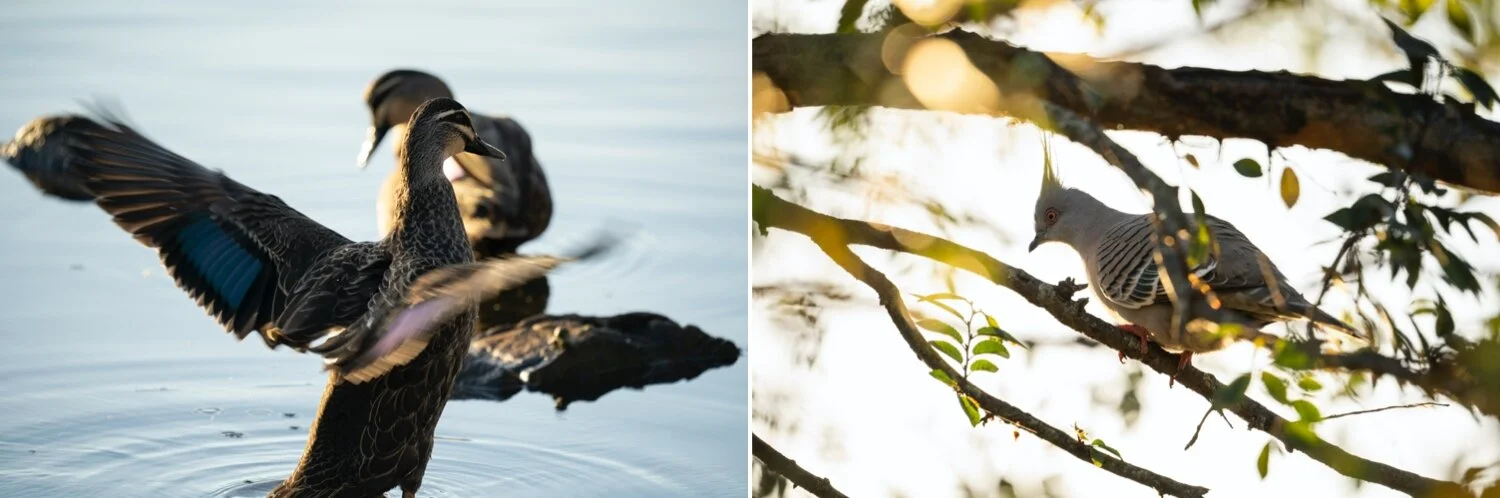
Download a high res JPG sample gallery of photos taken with the Tamron 150-500mm F5-6.7 Di III VC VXD here. These photos were taken on the Sony A7III and Sony A7sIII. I’ve left the metadata in the files so you can see the camera settings + what focal length they were shot on. If you enjoyed this blog post, you might want to check out my field review of the Sony A1 camera body!
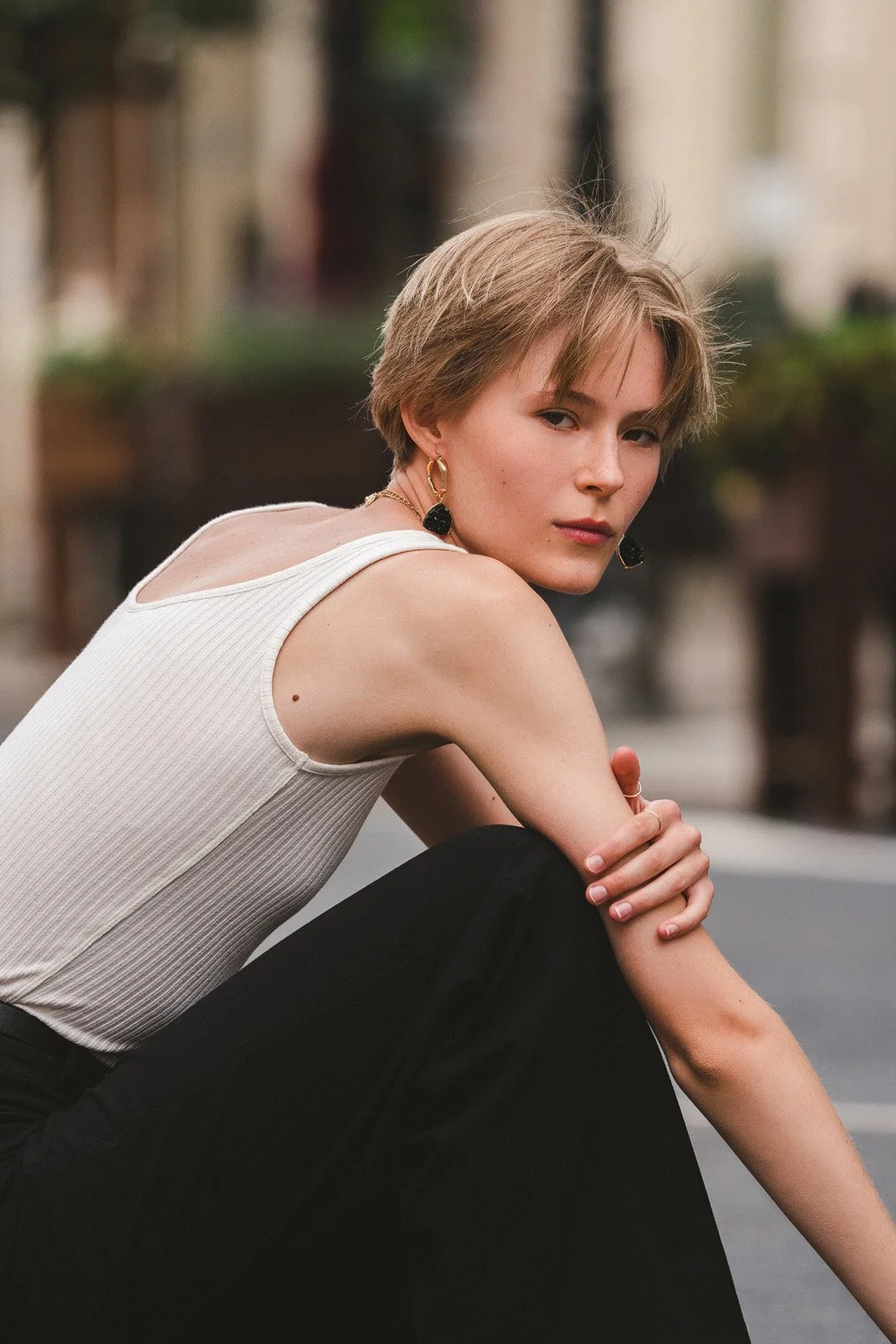
The 105mm focal length is really interesting to me and I personally love what it looks like. For this photoshoot, I knew I wanted a really dreamy look to the photos so I organised this photoshoot for the late afternoon so we could have that nice, soft sun for our lighting. I also chose this location so we can capture as much bokeh as possible!
If you’re loking to break out of a creative rut or take your portrait photography to the next level, in this post, I’m sharing 20 unique and inspiring portrait photography ideas. These ideas will help you experiment with new techniques, fresh concepts and different ways of capturing your subject. Whether you’re shooting with natural light, in a home studio, or out on location, these ideas are designed to spark creativity and push you beyond the usual poses and backdrops — perfect for photographers of all levels looking to grow their style and portfolio.
The Olympus AF-1 Twin features a dual lens system so that you can switch between a 35mm wide-angle lens and a 70mm telephoto lens at the touch of a button - essentially like phone cameras except well, that it shoots 35mm film. Surely it inspired the iPhone camera system right?
This has got to be one of the cheapest autofocus lenses available for Canon DSLR cameras, I picked up mine used for about $30 USD. The Canon EF 50mm f/1.8 STM is a compact and affordable prime lens offering a wide aperture for low-light shooting and creative depth of field control aka bokeh! This is a great lens for beginners and gives a very budget friendly entry into DSLR photography. These are the photos I captured with it.
The Nikon NIKKOR Z 135mm f1.8 S Plena is a high-performance medium-telephoto prime lens designed for Nikon's Z mount mirrorless cameras. This 135mm f/1.8 S Plena Lens produces high quality images with beautiful clarity and sharpness.
The Sony A7RIV is a full frame, 61 megapixel camera for stills and video. The Sony A7RIV weights 665g and shares the same sensor as the newer A7RV. The Sony FE 135mm f1.8 GM is known for its exceptional sharpness, fast autofocus, and beautiful bokeh, making it a favourite among portrait, wedding and event photographers, as well as those who shoot video or need a fast telephoto prime.
During this photoshoot, I’m using the Sony A7IV paired with the Samyang 24-70mm f2.8 zoom lens. This zoom lens gives me a lot of flexibility while shooting as it allows me to capture both wide and tight compositions without changing lenses. This is especially helpful is fast paced environments or when taking photos on a time crunch. While taking portraits, I’m also sharing a few of my go to composition tips for working with a standard zoom like this.
I spent a morning doing landscape photography around Lake Bled in Slovenia using the Sony A7IV with the GM 35mm f1.4 lens.
The Sony G 24-50mm f2.8 is a small and lightweight standard zoom lens for Sony E mount. It weighs 440 grams and paired with it’s focal range, makes this is a great all-rounder lens for photography and videography.
In this video, I want to share with you reasons to help you decide wether you should be upgrading your camera body or your lens and which one to do first. I’ll walk you through the key factors to consider when deciding between each option.
For this portrait photoshoot, I am making use of the Sony A6600 camera body and the Sony 35mm f1.8 lens. The Sony A6600 is a crop-frame mirrorless camera in Sony’s Alpha series. It features a 24.2-megapixel APS-C sensor that delivers images with excellent detail.
For this portrait session, I am using the Zeiss 50mm f1.4 on the Sony A7 IV, capturing backlit images on the beach during golden hour. The combination of the lens’s wide aperture and the warm, soft light of the setting sun helped create intimate, glowing portraits with beautiful light falloff and natural skin tones.
The Sony 28mm f2 is a wide-angle prime lens designed for Sony’s full-frame E-mount cameras. I believe it’s an underrated lens from Sony as it’s able to deliver high quality results at a relatively cheap price point for a native lens.
I am comparing the Zeiss 50mm f1.4 vs Zeiss 55mm f1.8 at a real-world portrait photoshoot. I share various different side by side photo comparisons at 100% crop, so you can see all the details.
During this photoshoot, I share my go-to tips for shooting portraits with a 24mm prime lens. I take you behind the scenes of a moody blue hour shoot with Serena using the Sony 24mm f1.4 GM on the full frame Sony A7RIV.
The Sony 50mm f1.2 GM is a full-frame E-mount lens with an f1.2 maximum aperture. The Zeiss 50mm f1.4 is also a full-frame E-mount lens with an f1.4 maximum aperture. Both lenses are designed for shallow depth of field and low-light performance, but one is significantly more expensive than the other.
For this portrait photoshoot I am using the Fujifilm X-T4 paired with two of my favorite prime lenses: the Fujinon XF 16mm f/1.4 R WR and XF 23mm f/1.4 R LM WR.
I captured these photos of Megan Emmett for the Candice Lee Femme Collection. You can see more of Candice Lee’s bridal gowns and hair styling work here.
Today I am sharing a set of photos captured during blue hour. For this portrait photography session, I am using the Sony A7RIV with the GM 85mm f1.4 lens.
This set of photos is a portrait photoshoot I did on the streets of Sydney using the Canon 5D mkIV + Canon EF 24-70mm f2.8 lens.
The A6700 is an APS-C hybrid camera body with a 26 megapixel backside illuminated sensor. This camera features the new AI autofocus system first introduced by the A7RV. This means the A6700 has real time recognition autofocus since it features an AI processing unit just like the A7RV. It's great to see this new AF tech in an APS-C body especially considering price point of the camera.
The Nikon Z8 is a 46 megapixel full frame camera, featuring a fully electronic shutter. During this portrait photoshoot with the Z8, I am using 2 lenses. The Nikkor Z 35mm f1.8 S and Nikkor Z 85mm f1.2 S. Watch my behind the scenes video to see the SOOC unedited photo at 100% crop. The photos in this blog post are my final, edited version of the images from the Nikon Z8.
Should you use a Mist filter for your portrait photography? During this portrait photoshoot, I take side by side photos using a Pro-Mist Filter vs not using a filter. I organised this portrait session with Wiktoria while I was travelling through Poznan, Poland in the summer.
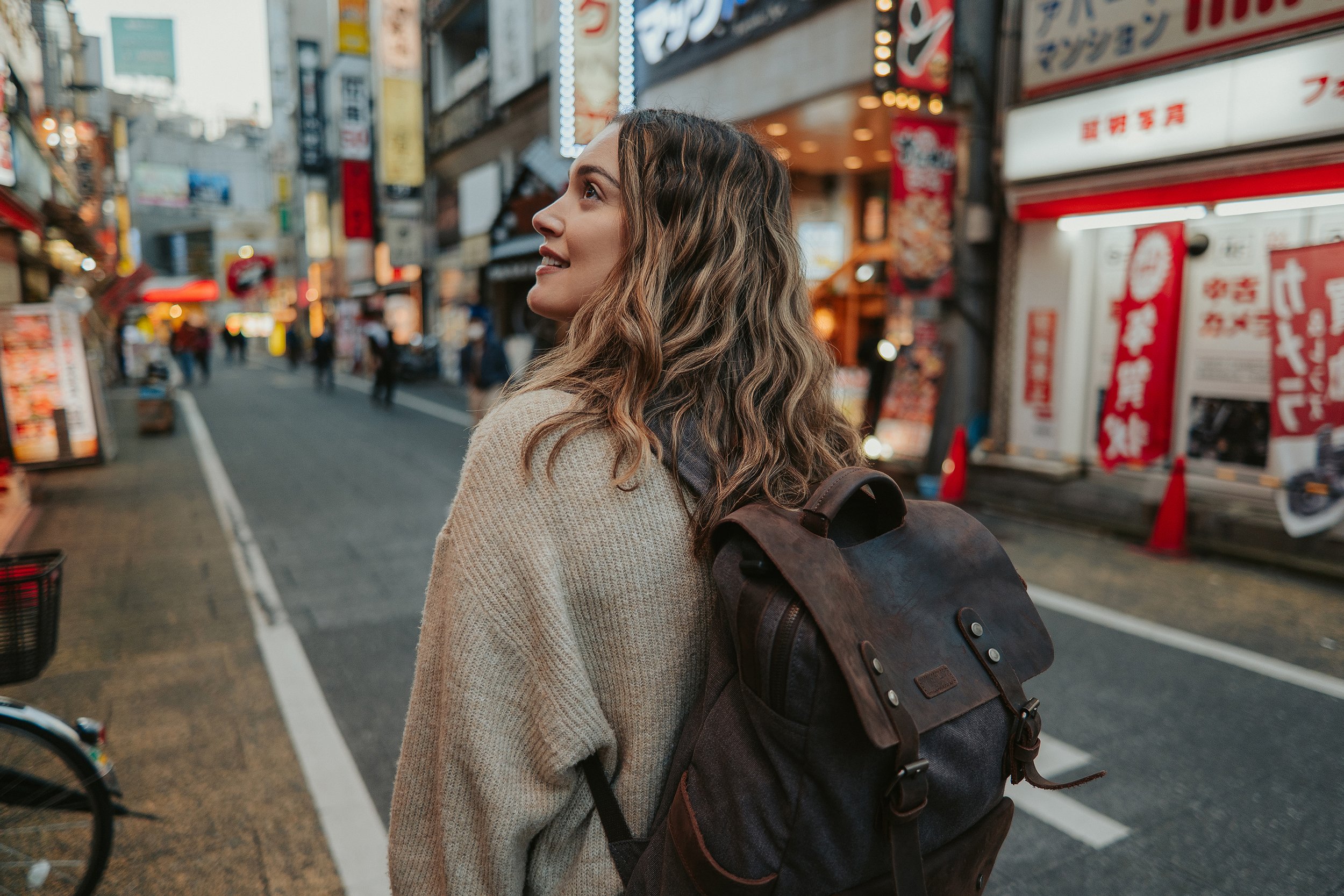
This blog post includes some of my favourite photos I took during my time in Japan with the S5II. If you want to hear my complete thoughts and review of the S5II capabilities for photo and video, you can watch my review video here.
In November, I was invited to Japan by LUMIX to attend the LUMIX Global Summit for the announcement of the new LUMIX S5II. Paired with the new camera body and an array of lenses, Dan and I took to the streets of Tokyo, Japan to film our review video of the camera body.
In November, I was invited to Tokyo, Japan by LUMIX to attend the LUMIX Global Summit. They didn't tell me what was going to be announced, but I was very excited to find out because it sounded like it was going to be something big. On the morning of the event, I met Pav and we went for a little photo walk around the streets of our hotel. For this trip, I decided to bring the LUMIX S5 with me to test it out for photo and video.
In November, I was invited to Japan by LUMIX to attend the LUMIX Global Summit for the announcement of something new. I left Sydney with Dan, Aaron and Simon in the evening and we landed in Toyko, Japan the next morning. We were all a little tired from the overnight flight, but we decided to head out and explore Tokyo since we had a free day before the event.
The Fujifilm X-S20 is a hybrid mirrorless camera body with a 26.1 megapixel APSC sensor. Like the X-S10, the X-S20 embodies a simpler body design without the dedicated shutter and ISO dial you'll find on other Fujifilm bodies such as X-T series. I also use this camera for a portrait photoshoot and share unedited, straight out of camera images at 100% crop.
The Google Pixel 7a is Google's latest mid-range phone featuring 2 cameras. I'm taking the camera's out for a hands-on review in real world to see how they perform. By taking portraits and cityscapes I will share with you unedited and edited samples of the 7a Ultrawide Camera, Wide Camera and 2x Zoom. I also share video samples of the Pixel 7a with both the rear and front cameras, plus share a sample of the microphone quality.